Attorneys win release from ICE custody for named plaintiffs in class action lawsuit

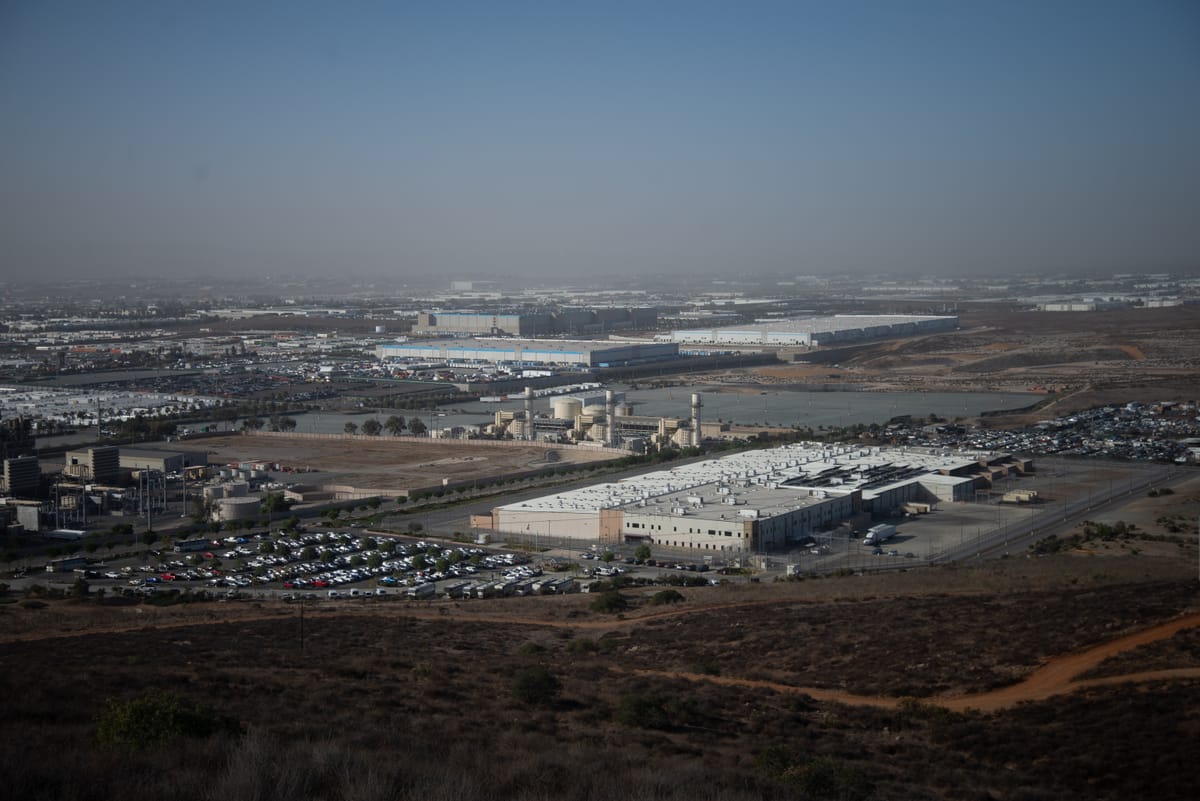
The case challenged the legality of immigration officers redetaining people whom the government had previously released from custody without any changes that show they have become flight risks or dangerous.
Written by Kate Morrissey, Edited by Maya Srikrishnan
Immigration and Customs Enforcement in San Diego released three people from custody on Friday because of a judge's order in a class action case that challenges the detention of people who were already released once by the federal government.
Those three people are the named plaintiffs in the case, which will continue as the attorneys with the Center for Immigration Law and Policy at the University of California Los Angeles and the Center for Human Rights and Constitutional Law argue that others in similar situations should also be released from custody.
The plaintiffs first came into contact with the U.S. immigration system — and the Department of Homeland Security — in different ways, but in each case, the department decided to release them in the U.S. A Haitian man named Chancely Fanfan came to a port of entry through an appointment with the Biden-era CBP One phone app, a Honduran woman named Maria Maldonado Cruz was apprehended by Border Patrol and requested asylum and a Mexican man named Elseban Angel Mendez was arrested by ICE years ago and had his case closed and then recently reopened.
This year, they each received a request from ICE to report to the agency's downtown San Diego office. When they showed up for the scheduled appointments, ICE officers detained them.
Their attorneys argued that such redetentions are illegal without any change in circumstances that might show the immigrant has become either a flight risk or danger to society since the Department of Homeland Security previously determined that the person posed neither of those issues.

It's not clear how many people ICE has detained in this way, but in October alone, volunteers documented more than 100 arrests at check-in appointments in the agency's office on the second floor of the Edward J. Schwartz Federal Building. That month, the agency pivoted from detaining people in the hallway of the immigration court in the same building to making arrests via appointments.
“All of those arrests target people who are doing exactly what the government has asked of them,” said Monika Langarica, one of the attorneys on the case from UCLA.
Federal Judge Dana Sabraw, the same judge who oversaw the family separation case during the first Trump administration, ordered the three named plaintiffs’ release on Friday.
ICE, the Department of Homeland Security did not immediately respond to requests for comment. The U.S. Attorney's Office in San Diego declined to comment.

Langarica said her clients are glad to be home with their families but still recovering from their time detained.
Fanfan missed his U.S. citizen son's first birthday. Angel Mendez missed a daughter's fifteenth birthday, an especially important milestone in Mexican culture, Langarica noted.
“The harm that the petitioners face as a result of this unlawful and unconstitutional detention also extends to their families,” Langarica said, adding that some have children who are U.S. citizens.
She said the family of one of the men would have lost their home by January if he hadn't been released because it is tied to his job, and he was not able to show up for work because he was in custody.
The attorneys will next ask the judge to certify the class to try to help more people detained under similar circumstances.
“We’re moving as fast as we can because we know this is a really urgent issue for a lot of people here locally,” Langarica said.