
ICE in San Diego is arresting everyone who shows up for contractor check-in, attorneys say

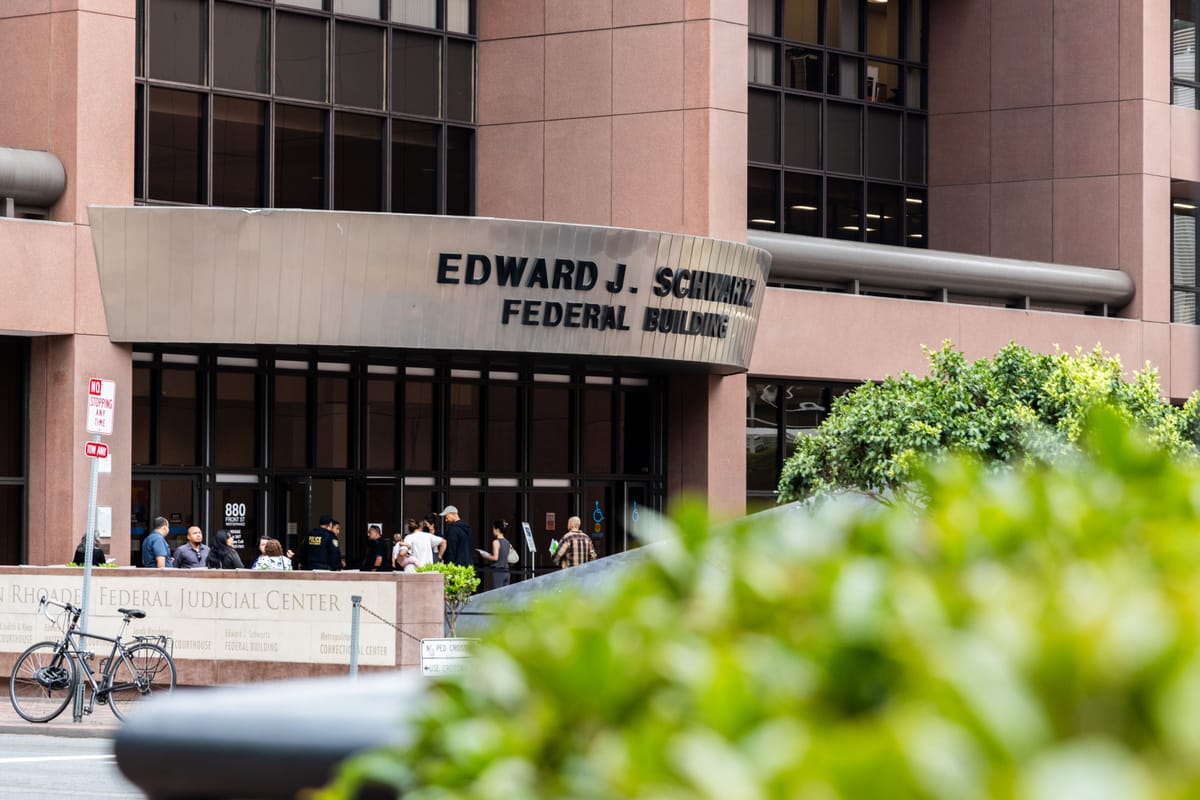
Immigration and Customs Enforcement, through a contractor in its Intensive Supervision Appearance Program, or ISAP, called a group of people Wednesday to come to appointments Thursday at the contractor’s office.
Written by Kate Morrissey, Edited by Maya Srikrishnan and Lauren J. Mapp
Updated on December 23, 2025 at 10:22 a.m. with additional information about the arrests.
Immigration and Customs Enforcement officers in San Diego have started arresting yet another group of people showing up to appointments they were asked to attend.
Attorneys reported Thursday that ICE officers were arresting clients at the Intensive Supervision Appearance Program office around the corner from the federal building after they received calls Wednesday that they needed to check in.
Attorneys and volunteers haven't seen many arrests at the San Diego ISAP office until last week, when ICE officers detained more than 15 people over a span of two days, according to volunteers who monitor immigration enforcement activity around the federal building that houses both the immigration court and ICE offices. Because arrests haven't happened much at this location previously, people often go to those appointments without their attorneys, leaving them more vulnerable if ICE decides to detain them.
ICE declined to comment.
The escalation is part of the Trump administration's ongoing pressure to get immigrants to leave the U.S.
“They will be told, ‘You can self deport. You can make this all go away,’” said Ruth Mendez, a member of Detention Resistance, one of the groups that organizes volunteers at the federal building and ISAP offices.

In San Diego, the transition from arrests in one federal space to another has appeared methodical.
ICE officers began arresting people outside of immigration court hearings in May and transitioned to arresting dozens at check-in appointments at the agency's offices in the federal building downtown in October.
More recently, the agency also began detaining people at green card interviews. Planned mass detentions at the ISAP offices, where many people are asked to check in instead of at the ICE office as part of the government's monitoring them on an alternative-to-detention program, are another escalation in the pattern of arresting people in official spaces where they have complied with government requests to appear.
Thursday's arrests included a mother who showed up to the appointment with her young child, according to attorney Ginger Jacobs, whose firm represents the family. Jacobs said her client and the child were both taken by ICE, but they were released later Thursday morning after advocacy from attorneys.
She and other attorneys said that ICE was planning to arrest everyone who comes for an ISAP check-in. By the end of the day, volunteers had documented at least 12 arrests, with Jacobs’ client being the only person released.
ICE declined to comment on the detention of the mother and child without having their identification numbers and names. The agency now asks journalists for this information even in cases where there are retaliation concerns and generally hasn't provided comment without this information.
When asked how many mothers and children the agency had detained at the ISAP office Thursday, a spokesperson referred Daylight to the public records request process.

Jacobs said many of those checking in either have long-term orders of supervision because they are stateless, or they have protection from deportation to their home country under withholding of removal. The Trump administration has tried to send some people with this status to third countries.
Many people are born stateless because the country where they are born discriminates against their identity group and won't recognize them as citizens. Others might have been born in refugee camps or in countries that no longer exist. The United Nations refugee office estimates that about 218,000 stateless people are living in the U.S.
Withholding of removal is a form of protection from deportation that recognizes someone would face persecution in their home country, but it doesn't give all of the benefits of asylum, meaning that there is no path to a green card or citizenship.
Mendez said volunteers noticed by the end of the week that those arrested either had protection from deportation to their home countries through withholding or through protection under the Convention Against Torture, which offers similarly limited benefits. Those people had also received phone calls the day before telling them to show up for appointments.
“[A phone call] plus withholding is a red flag,” Mendez said.
On Monday, volunteers did not observe any detentions, Mendez said. It is unclear whether the new strategy will continue after the holiday week.
Daylight San Diego has a guide for how to prepare for possible detention at an official appointment. The recommendations include talking to an attorney before the appointment, taking a friend or loved one to observe the appointment and making sure there are arrangements for pets, children, cars and any other dependents or belongings that might need attention.