How making someone feel welcome can protect against climate change

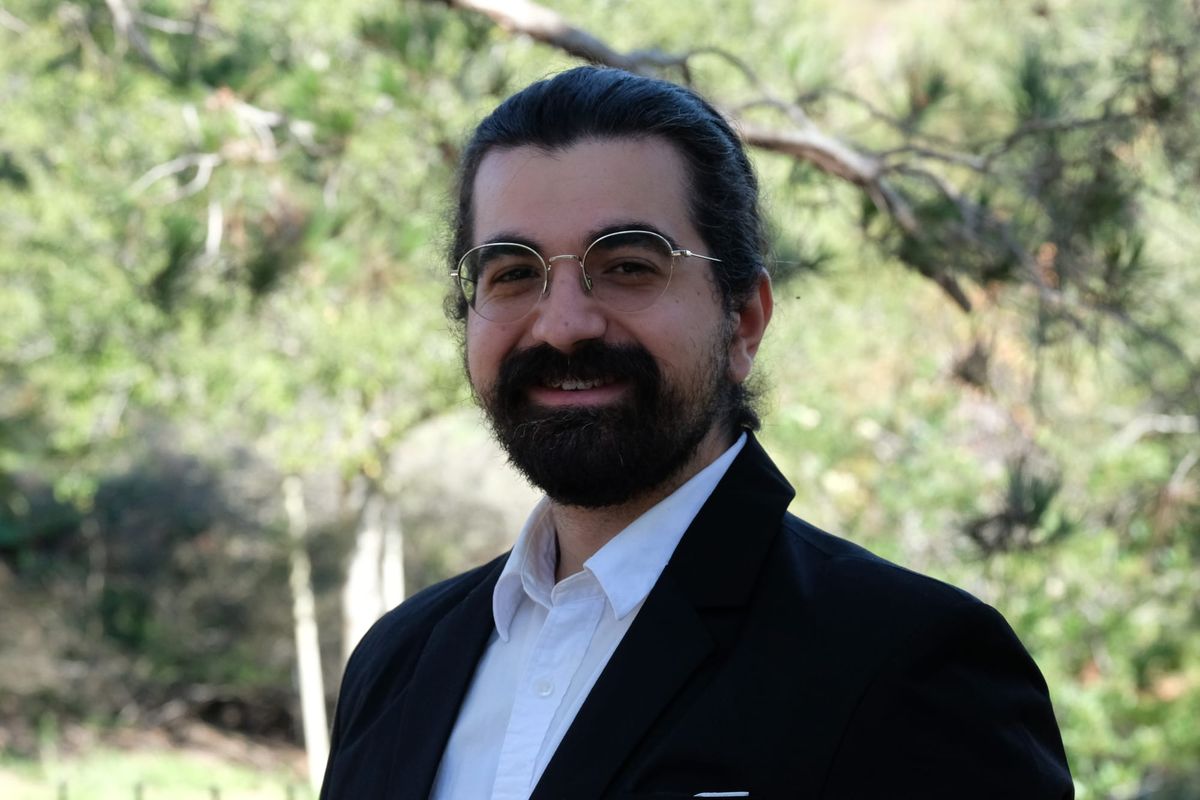
During San Diego Climate Week, sustainability life coach Eric Bejleri said small acts of kindness, supportive relationships and shared purpose can bring communities together to drive environmental change.
Written by Emma Chen, Edited by Lauren J. Mapp and Kate Morrissey
Mangrove forests protect coastlines from erosion, withstand powerful waves and provide shelter for surrounding ecosystems.
Growing up in South Florida, sustainability alignment life coach Eric Bejleri said he found inspiration in these natural protectors. He said he hopes to create a similarly supportive presence for the people in his life.
At a virtual workshop during San Diego Climate Week called "Cultivating Space: How Your Presence Shapes Collective Action,” Bejleri encouraged participants to consider how their everyday interactions, from greeting a stranger to supporting a colleague, can foster stronger communities and inspire collective environmental action.
“The way you conduct yourself, the way you speak with others, the way you handle challenges, all reverberate outwards,” Bejleri said.

Throughout the workshop, he emphasized how human emotions can influence those around them, how welcoming environments encourage people to speak openly and share ideas and how confidence and a clear sense of direction can help people work toward shared goals.
Bejleri said that even small gestures, such as smiling at someone or offering a friendly greeting, can influence the mood of those around us.
Beyond these small gestures, Bejleri said making others feel comfortable sharing their thoughts and experiences without fear of judgement can strengthen trust and encourage collaboration. He said that when people feel heard and supported, they become more willing to contribute ideas and build relationships.
“If there is safety in a group or shared space, it feels less risky to be vulnerable or share ideas or thoughts,” he said. “If we believe the risk of rejection or social pains is mitigated or non-existent, then we as a group can focus better on curiosity, learning, growing and doing the work. If we see others being vulnerable or share ideas safely, it helps us think that we might be able to do so, too.”
Building trust also plays an important role in bringing people together, he said. Bejleri said that when people feel confident expressing themselves without fear of rejection, they can focus more on learning from one another, working together and achieving shared goals.
Bejleri referenced the Three Sisters agricultural system, in which corn, beans and squash support one another's growth. Corn provides stalks for beans to climb, beans contribute nitrogen to the soil and squash leaves shade the ground and preserve its moisture.
Bejleri drew parallels between the Indigenous agricultural practice and community-building, explaining that people with different strengths can support one another while contributing to a shared purpose.
Drawing on psychologist Charles R. Snyder’s hope theory, Bejleri said that making a difference starts with believing in the ability to create change and taking steps toward achieving it. He encouraged participants to apply this mindset to environmental initiatives.
Beyond individual behavior, Bejleri said that shared expectations and group culture help influence collaboration. Bejleri introduced the concept of “designing the alliance,” a coaching practice that encourages groups to establish expectations for communication, participation and mutual support.
He said groups can cultivate trust by discussing how members want to interact and what they need to feel comfortable contributing.
Bejleri said establishing a shared purpose can transform a group's atmosphere. He recalled attending a coaching conference in Denver, where an opening keynote encouraged attendees to support one another's professional and personal goals. Although he initially felt nervous about meeting new people, Bejleri said the speech created a more welcoming environment, encouraging attendees to approach one another and strike up conversation.
“There's a lot of power in shared purpose,” Bejleri said.
After the presentation, Bejleri gave participants 15 minutes to reflect on how they interact with others, the qualities they hope to develop and the changes they could make to strengthen their communities. He then invited attendees to share what stood out to them during the exercise.
Several attendees compared their desired presence to a natural environment, prompting participants to consider how characteristics found in nature might reflect their relationships with others.
One participant compared herself to a marigold, explaining that she often prefers supporting others behind the scenes rather than taking the lead. She connected the exercise to her desire to become more involved in community work, acknowledging that anxiety and uncertainty sometimes prevent her from pursuing opportunities.
Bejleri encouraged participants to translate their reflections into practical steps, including identifying behaviors they hope to strengthen and considering how they can approach future interactions more intentionally.
“No singular person is an island. This fight to steward the land, change our culture, help the environment is not a solo mission,” Bejleri said. “Who we are has a greater impact on our world than you might otherwise think.”