ICE in San Diego is monitoring activists through Operation Road Flare

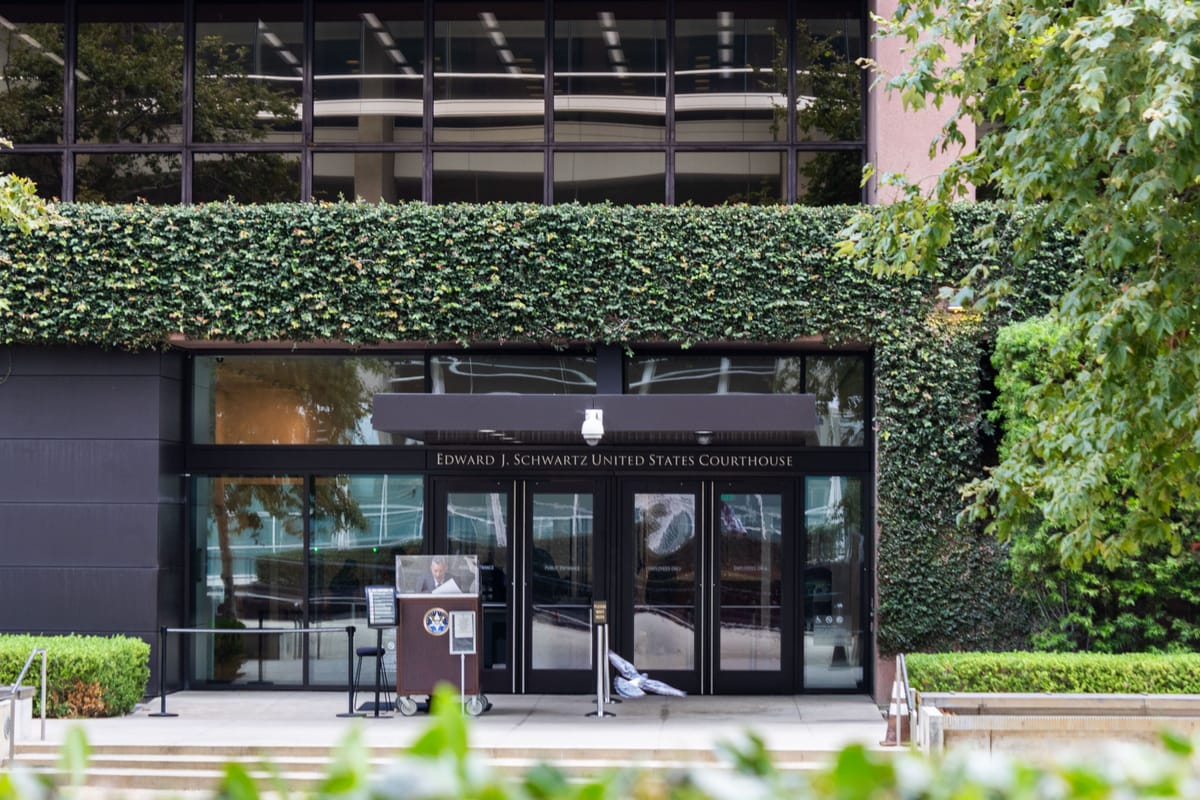
Court documents in a case against Jeane Wong revealed the existence of the operation.
Written by Kate Morrissey, Edited by Lauren J. Mapp
Updated on Feb. 23, 2026 at 03:34 p.m. with a response from the Department of Justice.
Immigration and Customs Enforcement in San Diego is monitoring activists who document the agency's activities, court records revealed.
Called Operation Road Flare, the surveillance has targeted Jeane Wong, an activist who organized cyclists to patrol schools for ICE activity in their communities, and Arturo Gonzalez, an influencer on TikTok and Instagram who films encounters with immigration enforcement officials, among others. It's not clear from the document made public in a court case how many activists the government might be monitoring in San Diego.
“These are things that we are allowed to do and should be allowed to do peacefully without being monitored by the United States government,” Gonzalez said when he found out about the operation. “Who they should really be investigating are these ICE agents who are picking people up with no criminal history.”
ICE did not respond to requests for comment. The Department of Justice declined to comment.

Pedro Rios, director of the American Friends Service Committee's US/Mexico Border Program, said he wants to know whether ICE is conducting similar operations nationwide.
“It potentially could have serious implications for First Amendment rights, the ability for human rights defenders to monitor and document incidents where there would be an interest to the public to know how they are going about their business, whether there are civil rights or human rights that are violated during the course of their immigration enforcement operations,” Rios said. “And so those are serious implications that rise up for me about the purpose for these specific operations that are, from what I understand, recording or monitoring people that are witnessing the operations out in the field.”
He pointed out that the heads of ICE and Customs and Border Protection recently told Congress that they are not keeping lists of activists or tracking them in a database.
Rios said that he, as someone who has documented immigration enforcement activity for decades, expects some level of monitoring from the federal government, given its history of surveillance of activists, including under the COINTELPRO program in the 1960s.
Wong said she sees the operation as an extension of surveillance that happens to all San Diego residents through Flock cameras.
“I just want to know what that leads to,” Wong said. “So you're tracking us, and then what is the goal? It's just all questions. We just have all the questions.”
Wong recently pleaded guilty to a misdemeanor assault on a federal officer after she unmasked an immigration official during a raid in Linda Vista last summer. After her plea, the government attorney, Evangenline Dech, argued that Wong should be imprisoned while she waits for her sentencing.
Among the evidence that Dech used was a document labeled “law enforcement sensitive” from ICE's Homeland Security Investigations office from Operation Road Flare that indicated the monitoring had started on Oct. 23, 2025.
“Operation Road Flare is a SAC San Diego Homeland Security Investigations (HSI) investigation of agitator [redacted] and other known and unknown conspirators impeding, obstructing, and interfering with Immigration & Customs Enforcement (ICE) field operations,” the document says. “The actions of these individuals create a safety risk to federal agents engaging in their lawful duties, the community at large, and impede federal investigations.”
The document describes a confrontation between activists and immigration officials at the 47th Street Trolley Station on Nov. 18, 2025. It describes someone, who appears to be Gonzalez, coming up to a special agent's vehicle and calling out his presence while he is parked near the 47th Street station. The agent then drove away, according to the documents, and Gonzalez followed with an unidentified woman in his car.
When the special agent and Gonzalez ended up in the public parking lot of the trolley station, Wong showed up there in her car, Wong said. The document accuses Wong of throwing her phone, wallet and keys at agents in the parking lot. Wong said she took those items out of her pocket and tossed them to another friend who had responded to reports of ICE in the area to document because she was worried that the officials seemed to want to arrest her, and she wanted her wife to be able to take their car home.
The document describes a “vociferous and unruly crowd” gathered at the trolley station with an estimated 15 to 20 people in attendance. There are at least two more redacted names of activists besides Gonzalez’. Wong's name is unredacted.
“Numerous members contributed directly to the unrest either by force or insinuated threats, or indirectly by inciting violence through verbal support or encouragement of obstructive actions,” the document says.
The document later refers to the group as a “violent mob.”
“It seems to indicate that the government is describing people as being a danger to the agents, to the public, when the real danger are the agents themselves,” Rios said.
Wong told Daylight the violence at the trolley station came from the immigration officials. She said they threw her over the hood of a car and pepper sprayed her for no reason. She said she had to seek medical attention for her injuries that day and that they also injured one of her friends.
Advocates who monitor federal use of force have long accused immigration officials of covering up their own actions by claiming that their victims were the aggressors, as in the case of Anastasio Hernández Rojas in 2010. An international human rights tribunal last year found that federal officials tortured and killed him at the San Ysidro Port of Entry and then covered it up.
Dech also included an email chain that shows Homeland Security Investigations officials looking up the license plate for a mini van that followed an agent from the federal building to North Park. The van was registered to Wong, but she was not in the car at the time. She had let Gonzalez borrow the car.
In her plea agreement, prosecutors included a factual allegation regarding loaning her car to Gonzalez which had nothing to do with the incident in Linda Vista when Wong was arrested.
On Dec. 30, 2025, Special Agent Adam Lane sent the information to a redacted email address, saying he was “still working on all the discovery,” referring to a legal term for finding and providing relevant documents in a court case.
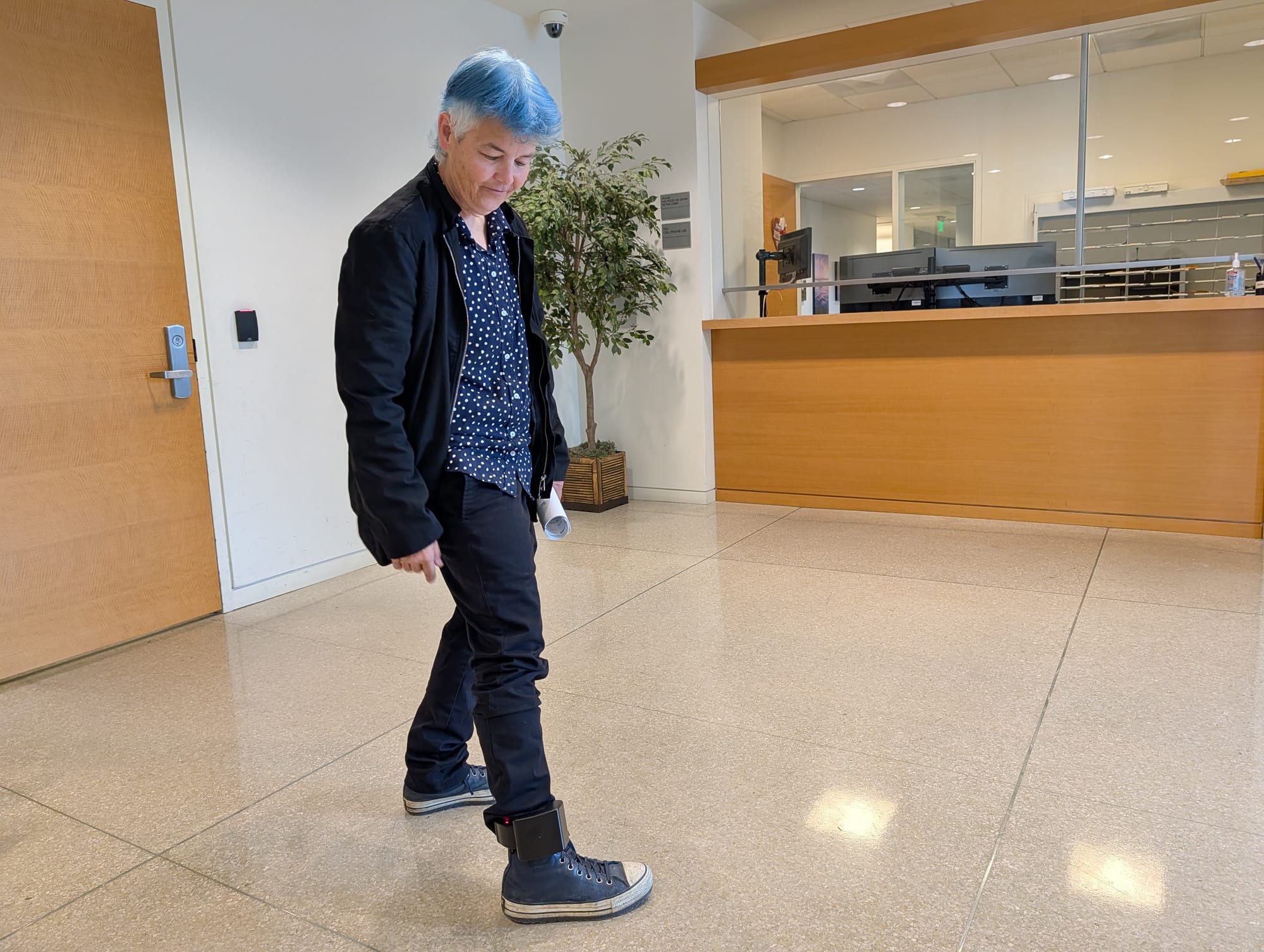
Last Thursday, Judge Allison H. Goddard put Wong on home arrest while she waits for her sentencing hearing in early March. Wong shook her head as the judge listed the actions that the government accused her of. She told Daylight later that she was frustrated hearing so many claims about her behavior that were untrue.
Goddard said that some of Wong's conduct, such as filming officials, was not illegal, but she was concerned about the government's allegations about throwing her belongings at officials.
“The issue is staying on the line of good trouble,” Goddard said.
“You can go up to the line lawfully,”Goddard said. “The First Amendment protects you in so many ways, but I can't overlook things when you cross the line.”
After the hearing, Wong received an ankle monitor. She will return to court on March 5.
Meanwhile, Gonzalez said that he's concerned about being a target of the operation, but he won't let that stop him from documenting ICE.
He thinks that ICE is trying to shut him and other activists down because they have been successful in alerting communities to ICE's presence.
“Why is it that they're escalating situations with us and making it look like we're some kind of ‘domestic terrorists’ when we're just concerned for our neighbors?” Gonzalez said. “It's clear that the people who run the agency don't have a heart.”