Want to get involved in environmental activism? Here’s how.

Some of San Diego’s leading environmental advocates share how to support local causes.
Written by Sam Barney-Gibbs, Edited by Lauren J. Mapp
Climate anxiety is more than just a buzz phrase. It’s a studied phenomenon with various definitions that revolve around the same theme: pervasive worry about the current state of our environment and ecosystem.
Youth are especially affected by such anxiety, and it’s led to a bump in activism around environmental issues, according to an analysis of more than 94 studies across 27 countries.
“Youth have a really powerful voice in the climate movement, because their futures are on the line way more than people my age,” said Masada Disenhouse, the executive director of San Diego 350. “I think sometimes people forget that they're perfectly capable of making a difference right now.”
Anxiety isn’t the only thing driving people to fight for this cause, and some of San Diego’s environmental leaders tackle what they see as unacceptable inequities in environmental justice across the county.
Daylight spoke with four local leaders in environmental justice, who shared some of their experiences in the field with advice for San Diegans looking to support the cause. Here’s how you can now get involved in environmental activism.
Why environmental activism is important in San Diego
San Diego County is the most biologically diverse in the continental United States, according to The Nature Conservancy. The region is consistently recognized as an international leader in climate action planning by organizations like the Carbon Disclosure Project.
San Diego is home to the Scripps Institution of Oceanography, which has historically been at the forefront of climate and environmental science, including the tracking of greenhouse gases.
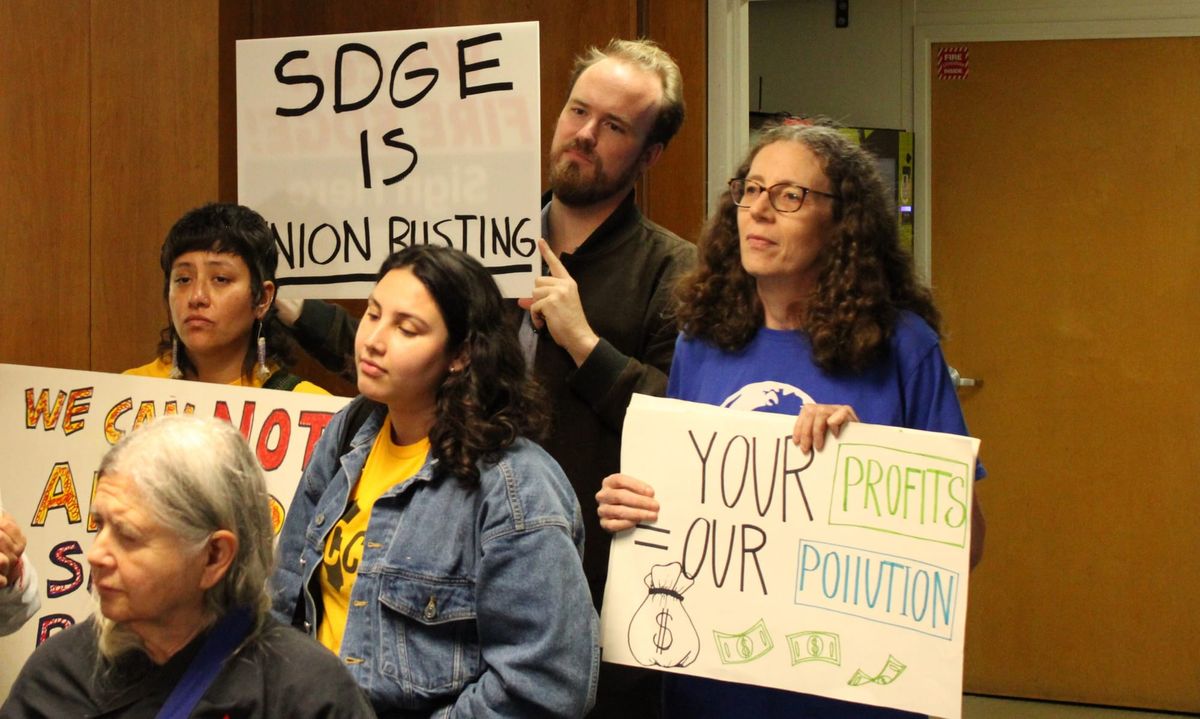
Isaiah Glasoe, a program coordinator for Public Power San Diego highlighted that one local issue is the county having some of the highest energy rates in the country, according to NRG Clean Energy, because gas and electricity are solely run by San Diego Gas & Electric.
Barriers to getting involved
Isaiah Glasoe said he has worked with hundreds, if not thousands of volunteers in activist spaces. He said the top reason people struggle to get involved in environmental work is they lack the time and availability.
He said people are tired and busy from working for a living. Disenhouse recognized this, saying people have regular responsibilities like parent and child care, meanwhile many San Diegans are working paycheck to paycheck.
Glasoe also said sometimes what is asked of activists and advocates are too broad, so people are unsure or overwhelmed with unclear responsibilities.
There can also be anxiety and grief that comes with thinking about and working in environmental justice, Disenhouse said.
Serena Pelka, a senior policy advocate for Climate Action Campaign, said people feel a heavy weight to take action but are exhausted by the political landscape.
“People are struggling to figure out what to put their energy into or how to bring value to advocacy,” Pelka said.
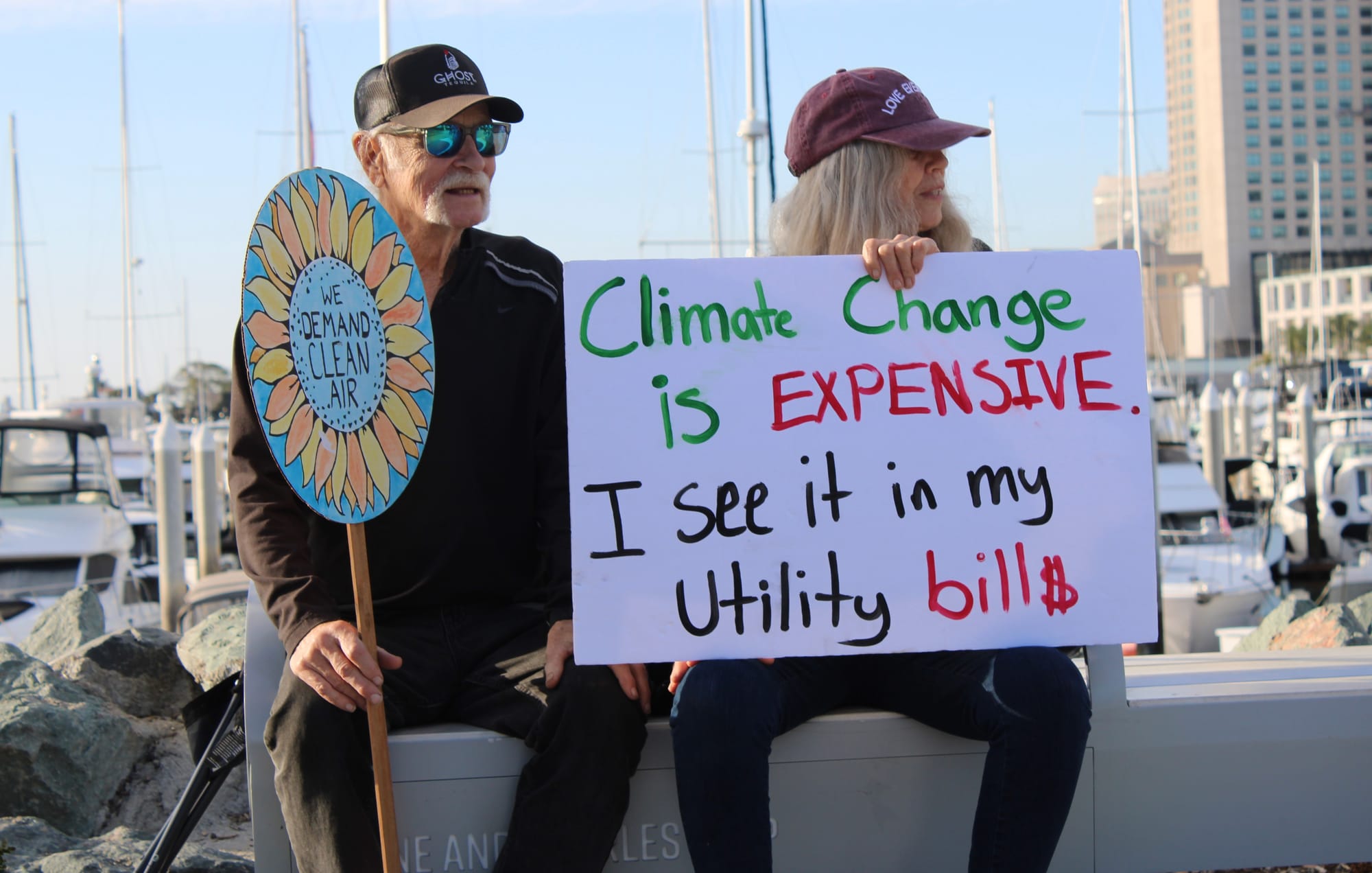
The environmental justice world is vast, with many topics and specialties that contribute to the fight, Disenhouse said, meaning people sometimes feel they don’t know enough about or don’t have sufficient experience with these subjects, disincentivizing them from getting involved.
Tanisha-Jean Martin, the founder of ECOfirmative, said access to funding can be another barrier. Fiscal support, she said, relies heavily on becoming a nonprofit and finding private sponsors. She’s found that the city has treated her environmental work as one of the first big budget cuts.
“People can only volunteer so much,” Martin said. “As much as I want to continue the work, it’s hard to keep doing that and be able to support myself.”
Martin said it’s crucial to catch the attention of kids, before they enter their teen years, when they’re most impressionable and open to learning about environmental justice — especially to see it as a viable career opportunity.
Suggested first steps
Connecting with friends and neighbors is an accessible way to get started in activism.
“The revolution will be social,” Glasoe said, referencing the need for unity in gaining environmental justice. “We will have to be friends with each other.”
Though it may sound trivial, he said getting to know those around you and talking about the environment with others can help identify the problems in different communities.
People can build on this knowledge by researching organizations and campaigns, Pelka said. The work people choose to do in environmental justice must be personally meaningful and rewarding to get it to stick, she said.
Disenhouse added that people are looking for ways to expand their skillsets through organizing, teaching, leadership development, community-building, research and campaign strategizing. What makes it even more accessible, in her opinion, is that many subspecialties fall under environmental work, like transportation, electricity and energy sources, engineering, political science and education, just to name a few.
“The best thing is to not overthink it too much,” Disenhouse said, “Jump in and see what happens.”
Brushing up on language skills can be an asset to supporting environmental work.
Martin said those who are from different backgrounds and experiences can be invaluable when working in the environmental activism space, so learning other languages, especially those commonly found in San Diego and specific sub-communities, can aid in uplifting voices that people don’t often take the time to translate.
There is value in those that don't speak the same language, who feel inferior,” Martin said. “We have to fight for their rights…and recognize those in the community that are doing good work, so we're bringing them in as well.”
Martin said people can’t be true activists and advocates without attending community meetings and tabling events.
She learned from her time at the state capitol that if she missed what happened “after hours,” she missed out on a key part of what is actually happening around her. Her advice from this was to ensure people are going to city and countywide meetings, asking questions there and following up with people after to keep a pulse on the community’s needs.
Organizations like Public Power San Diego also regularly set up at fairs, markets, farmers markets and other events in the county for public engagement. Glasoe said tabling exposes the community to utility justice and helps people feel empowered.
“I really want to make an easy on-ramp for activists,” he said.
Martin said identifying a point person or a couple people from these events — someone that the aspiring activist can relate to or makes them feel comfortable — is a great way to make reaching out to organizations less daunting.
Following through with new connections
After meeting activists at local events, it’s important to email, call or message them after. Martin said many people in the environmental space are welcoming and eager to hop on a call or meet for coffee, she said.
“Start with an initial outreach. It's not uncommon for us to get those emails,” she said. “We love to get folks connected and plugged in where they feel like they can make an impact.”
Many organizations often request volunteers and heavily rely on them for their programs to be successful. Martin said signing up for those messages or beginner-type introductions can not only give people a run-down of the organization before committing to more time, but it also introduces them to others in similar shoes.
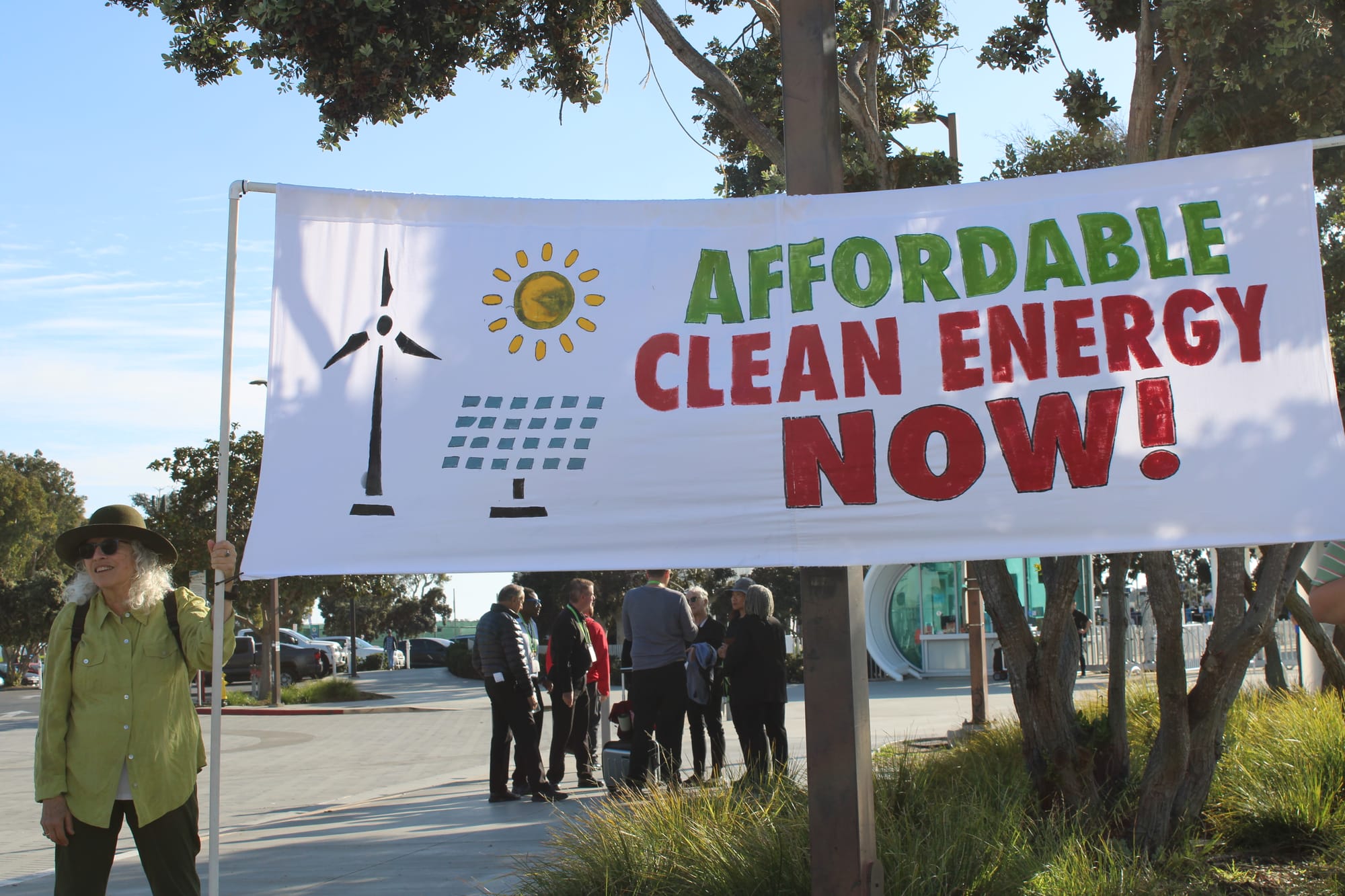
The overall message she said is: “You don't have to know what you're doing.”
She said there are many ways to get started, which can feel overwhelming, but it’s also exciting how open the environmental field is.
Long term goals
Once introduced to the local activism options, Disenhouse said people should decide on their environmental work capacity.
“Be real about it,” she said. “Even if you can only put in one or two hours a month, there are things you can do.”
She said the amount of time someone decides to dedicate depends on other work, head space and the kind of role they’re seeking as either a leader, supporter or something in between.
Disenhouse and Glasoe emphasized the difference between volunteers and paid organizers. Though both are crucial to the causes organizations fight for, they vary greatly in the amount of energy and time allocated to work.
Disenhouse said she’s encountered some people who want their activism work to blend into their careers and others who want the exact opposite: a total deviation from their normal work skills or responsibilities.
For Glasoe, organizing is a part of his daily life, even bleeding into conversations with his friends and informing the activities he does with them.
Consistently check-in with yourself and others
Glasoe has a list of people to frequently reach out to for materials, rallies and other events. He said one of the key parts of maintaining an activist mindset is becoming an expert at making lists.
Martin suggested keeping tabs on “allies” such as city staff, council members and other local representatives, as a way to understand what’s happening politically and communicate the community’s concerns and campaigns to those in power.
Martin suggested finding sustainable ways to keep up with political news.
It’s better to debate than to walk around ignorantly, Martin said. With new policies and lots of federal changes affecting local environmental spaces, she said people must listen to and understand what is happening politically.
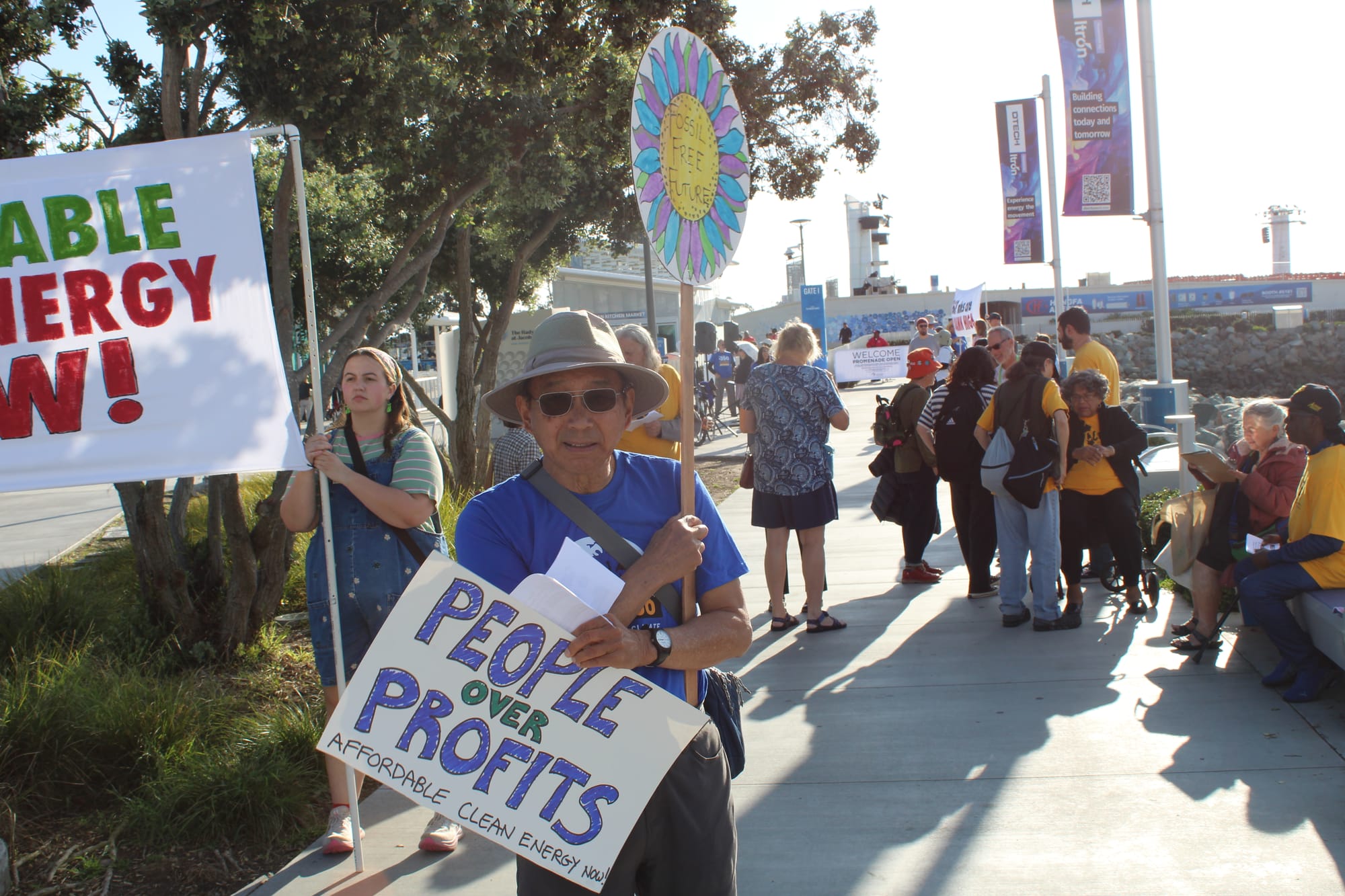
To advocate, you have to know what’s going on around you, she said, even if it’s just diving deep into one piece of legislation or one scientific study that can help others become educated.
But, advancing one’s own education can be helpful, too. She said those who are serious about dedicating more of their time to environmental work should consider university-level studies.
Martin didn’t realize the impact of mentors and educators on her work until her time as a first generation college student, receiving support from aligned and seasoned individuals. She said graduate programs can provide extra expertise and exploration for those interested in building on their current skills.
Be patient with results
Pelka reminds herself constantly that the “immediate” activism programming is just as important as the “system change” that comes with advocacy and policy pathways.
“Those steps and those bills are so critical for chipping away at the broken system that really favors corporate greed over hard-working families,” she said.
What keeps her in the fight for environmental justice is that her work acts in macro and micro ways: to achieve greater climate and environmental change while also helping individual people.
“We might not see the outcome of a bill passing in the next couple weeks, but it is going to reach families and our communities at some point, and we need to keep going,” Pelka said. “That's kind of the drive behind our work.”

Here are some groups in San Diego that work to improve conservation, research, policy, education and other aspects of environmental activism and advocacy.
If we’ve missed any, please email sam@daylightsandiego.org, and we’ll update this list.
Agua Hedionda Lagoon Foundation educates people on and preserving the Agua Hedionda Lagoon as an accessible and healthy watershed.
California Native Plant Society, San Diego Chapter preserves, restores and educates the public about San Diego and Imperial County's native plant biodiversity.
Climate Action Campaign works toward ending the climate crisis through policy action while fighting for clean electricity, all-electric homes, walkable neighborhoods, better public transit and community resilience.
Environmental Health Coalition works in environmental and social justice to empower low-income communities and communities of color to reduce pollution and improve public health through grassroots organizing and advocacy.
I Love A Clean San Diego aims to increase environmental awareness and zero-waste living procedures, providing education, community cleanups and recycling resources.
In Good Company works to repair systemic injustices and reduce planet-warming emissions through climate education, carbon literacy training and community-centered decarbonization programs.
Public Power San Diego advocates for a community-owned, nonprofit electric utility as a more affordable and sustainable alternative to SDG&E.
ReWild Mission Bay restores the natural wetlands in the northeast corner of Mission Bay for cleaner water, greater climate resiliency, carbon sequestration and improved public access.
San Diego 350 aims to prevent the worst impacts of climate change and climate injustice through education, public policy advocacy and community mobilization.
San Diego Bird Alliance defends the region's birds, unique biodiversity and threatened habitats through advocacy, education and habitat restoration.
San Diego Canyonlands protects and restores the natural habitats of San Diego's urban canyons and creeks through community outreach, habitat restoration and workforce development.
San Diego CoastKeeper protects and restores San Diego's rivers, streams and coastline through advocacy, scientific research, education and community engagement.
San Diego Habitat Conservancy: acquires, manages and protects land supporting sensitive habitats and species while inspiring community stewardship through education and outreach.
San Diego River Park Foundation aims to reimagine the 52-mile San Diego River as a natural, cultural and recreational treasure through volunteerism, habitat restoration and educational programming.
San Diego Urban Sustainability Coalition brings communities of concern into sustainability conversations and improves quality of life through grassroots organizing, climate education and advocacy.
San Diego Zoo Wildlife Alliance works to save species worldwide through wildlife care, conservation science and education, operating the San Diego Zoo and Safari Park.
Sierra Club San Diego helps people explore, enjoy and protect the wild places of San Diego and Imperial counties through advocacy, outings and conservation activism.
Surfrider Foundation, San Diego Chapter aims to protects the ocean, waves and beaches through volunteer activism, water quality monitoring, beach cleanups and advocacy on issues like plastic pollution and the Tijuana sewage crisis.
Tijuana Estuary Foundation protects and restores the coastal wetlands of the Tijuana Estuary through research, education and stewardship in partnership with the Tijuana River National Estuarine Research Reserve.