Educators, students and community leaders push for Lao history in K-12 schools

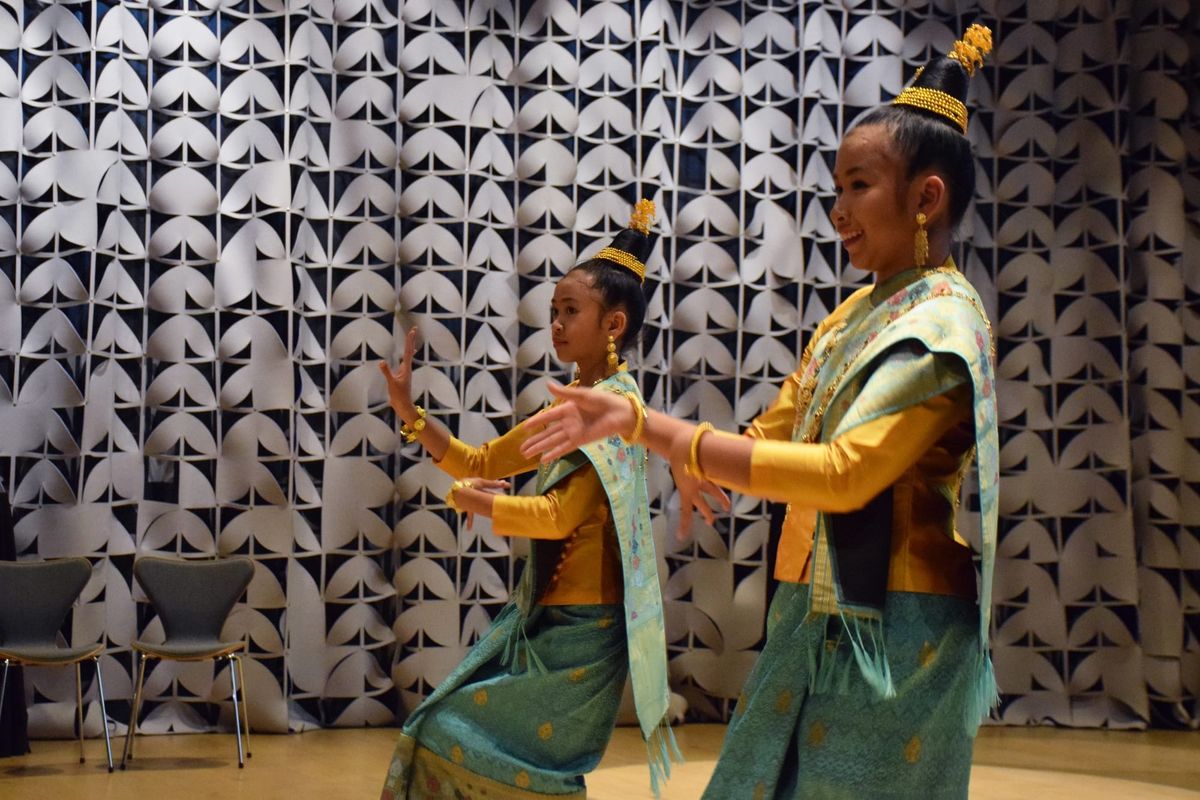
After years of exclusion, San Diego organizers are advocating for students to learn Lao history in ethnic studies classes.
Written by Lauren J. Mapp, Edited by Kate Morrissey
For decades, Lao history has remained largely absent from California classrooms, a gap community advocates say has left generations of students without a full understanding of both Southeast Asian history and the United States’ role in the region.
That omission became clear in 2018 when a state bill created a history curriculum about Southeast Asian refugee experiences. While it included Vietnamese, Cambodian and Hmong histories, it left out the history of the war in Laos.
From 1964 to 1973, the U.S. dropped a planeload of bombs in Laos on average every 8 minutes during the CIA-led Secret War. An estimated 80 million unexploded bombs and air-dropped cluster munitions remain throughout Laos, which continue to kill and injure people today. Approximately 75% of those injured are children.
During the war and its aftermath, many Lao families fled violence and political persecution, eventually settling in the United States through refugee programs tied to U.S. operations in Laos.
About a quarter of Lao Americans live in California, and San Diego has the largest Lao population of any U.S. metro area, according to the Pew Research Center, with roughly 8,000 residents who trace their family origins to Laos.
For local organizers, the bill's failure to include Lao history was both surprising and deeply personal.
“As a community, we were just very upset,” Pida Kongphouthone said. “We were taken aback by the omission.”
Kongphouthone and other community members formed a grassroots coalition, LAOSD, and pushed for a separate bill to include Lao history and cultural studies in California. While the bill passed the state legislature, Governor Gavin Newsom ultimately vetoed it amid broader debates over ethnic studies standards, stalling statewide progress.
Now, community members are refocusing their efforts locally, working to build awareness and lay the groundwork for curriculum in San Diego K-12 schools.
For many Lao Americans, the absence of their history is not abstract, it’s something they experienced firsthand as students.
Steven Khamphouy, culinary director with LAOSD, said his father fought alongside the CIA during the war, and his maternal grandfather was a military police officer. When the war ended, his parents fled Laos to a refugee camp in Thailand before resettling in the United States. After he was born, the family relocated to Kansas to be closer to relatives.
While he learned about the Vietnam War in school, Khamphouy said the history of Laos was never mentioned.
“I would sit there in class and just be like, why is nothing being discussed about the country that my parents were in fighting as well?” he said.
That disconnect extends beyond the classroom. Advocates say many Americans are unfamiliar with Laos altogether, despite its central role in U.S. military operations in Southeast Asia.
“For the general public, one of the biggest things that I've noticed is they don't even know where Laos is,” said JoJo Ruanto-Ramirez, an assistant professor overseeing the Asian American Studies program at Southwestern College and Asian and Pacific Islander Relations commissioner for the county.
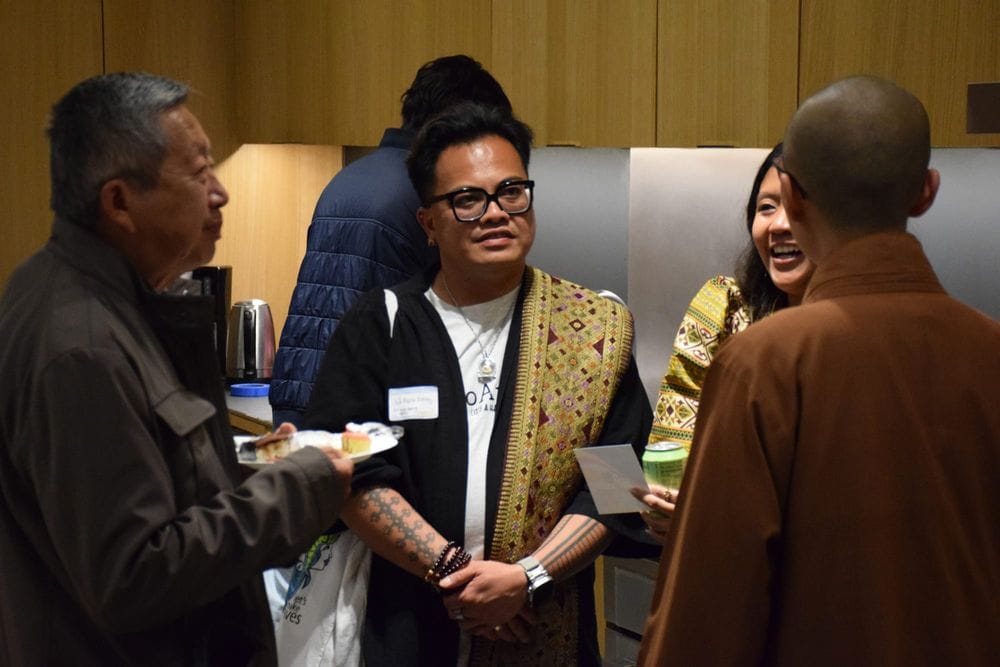
Part of the challenge, he said, is structural — there are relatively few Lao scholars in fields like history and ethnic studies, meaning fewer primary sources and community-authored narratives to build curriculum from. As a result, much of what exists has been written through a military or Western lens.
“There was a lot of things written by former White generals, White military personnel or White historians,” Ruanto-Ramirez said. “While those are valuable, there was nothing written by the community and for the community.”
Advocates say Laos is often overlooked in U.S. history books and curricula compared to larger or more widely recognized countries — a dynamic they say has contributed to decades of invisibility.
“Laos, we're not in the history books, especially with the Vietnam War era,” Kongphouthone said. “We kind of get overshadowed by our larger neighbors, such as Vietnam, such as Thailand, which is commercially more known throughout the world.”
For educators like Phiny Phiasivongsa, who is speaking on April 30 during “Reflections on the War in Southeast Asia” in City Heights, that absence has long-term consequences.
Around 1983, when he was 3 years old, Phiasivongsa, his three older brothers and their parents escaped Laos by crossing the Mekong River. Cousins and other extended family members joined them, but soldiers from the new Lao government shot down a boat carrying some of his parents’ friends, and they drowned on the journey.
After spending several years in the Napho Refugee Camp in Thailand, Phiasivongsa’s family resettled in City Heights in San Diego.
Growing up in San Diego, he said, he rarely saw his family’s experiences reflected in what he learned at school. Phiasivongsa recalled speaking with a teacher once about what his parents had told him about Laos.
“I remember him telling me that it wasn't in the history books, so thereby, my experience — our family experiences — was not valid,” Phiasivongsa said.
That realization shaped his belief that representation in curriculum is critical, not just for Lao students, but for all students trying to understand how history shapes the present. And, it led him to a career in education.
Now, Phiasivongsa works as the restorative justice resource teacher at the San Diego Unified School District. He said his experience informs how he teaches students about history and identity.
“Lao history is American history,” he said. “You have to see more than nine years of bombing, 2 million tons of bombs, Agent Orange spreading. We're talking about nine years of relentless bombing.”
Without that context, he added, it becomes harder to understand why Lao communities are in the United States at all.
“There’s a difference between refugees and immigrants,” he said. “People don’t know the experiences our parents and grandparents went through.”
Efforts to include Lao history face not only political hurdles, but logistical ones.
Laos is home to more than 100 ethnic groups, and advocates say any curriculum must reflect that diversity. At the same time, there are gaps in available materials, particularly for middle and high school students. While some children’s books exist, educators say there is little comprehensive curriculum for older grades.
“It's really hard when you're looking at Lao history, Lao American history, Lao refugee experiences in the United States when a lot of that is written from a war lens,” Ruanto-Ramirez said.
Still, momentum is building.
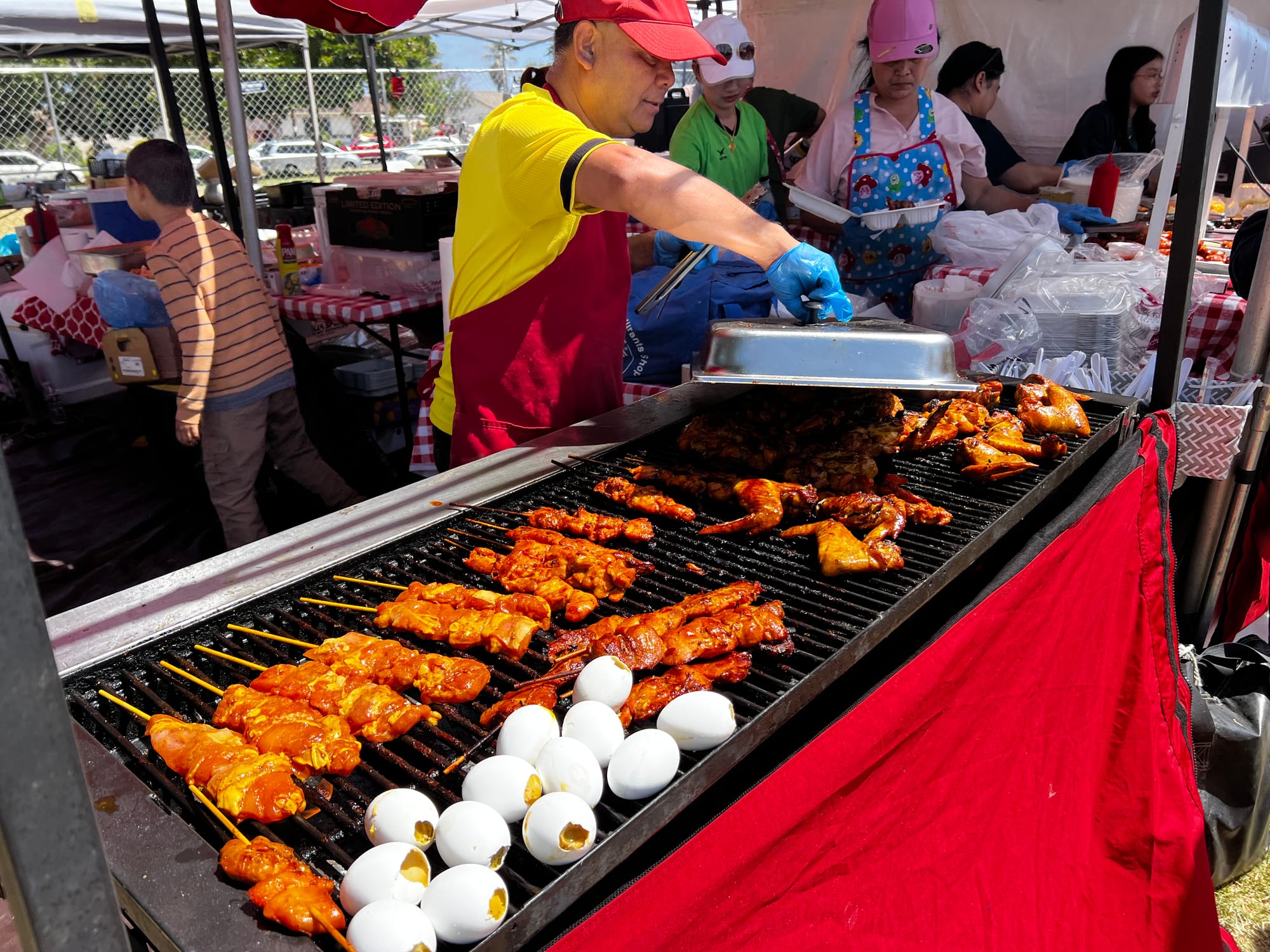
Ruanto-Ramirez said two of his students have spoken at City Council meetings pushing to add Lao history to school curriculums. Some educators, like Phiasivongsa, share their family experiences while teaching, and community organizations including LAOSD host an annual Lao food festival and other cultural events to increase visibility.
For Khamphouy and Phiasivongsa, that visibility is key, not just for education, but for identity.
“I'm not asking for sympathy. I'm just asking for accuracy,” Phiasivongsa said. “A Lao child in Fresno, in San Diego, anywhere in California or the United States should not have to learn their own history from whispered family stories.”
Updated on April 30, 2026 at 1:21 p.m. to update Steven Khamphouy's title.