Tortured in El Salvador, injured in the U.S. and deported to Mexico

Under Trump, more than 300 people granted protection from persecution or torture in their homelands have been sent elsewhere.
Written by Kate Morrissey, Capital & Main
This article was produced by Capital & Main, an award-winning publication that reports from California on economic, political, and social issues. It is co-published here with permission.
When U.S. immigration officials sent a Salvadoran man to Mexico, he relived the trauma he’d experienced when he’d fled his own country — trauma that had won him protection from deportation there.
Juan Antonio Pineda Vaquerano fled El Salvador in 2022 after police there tortured him, he said, and in 2024, a U.S. immigration judge believed his evidence that he would be tortured again if returned to his homeland.
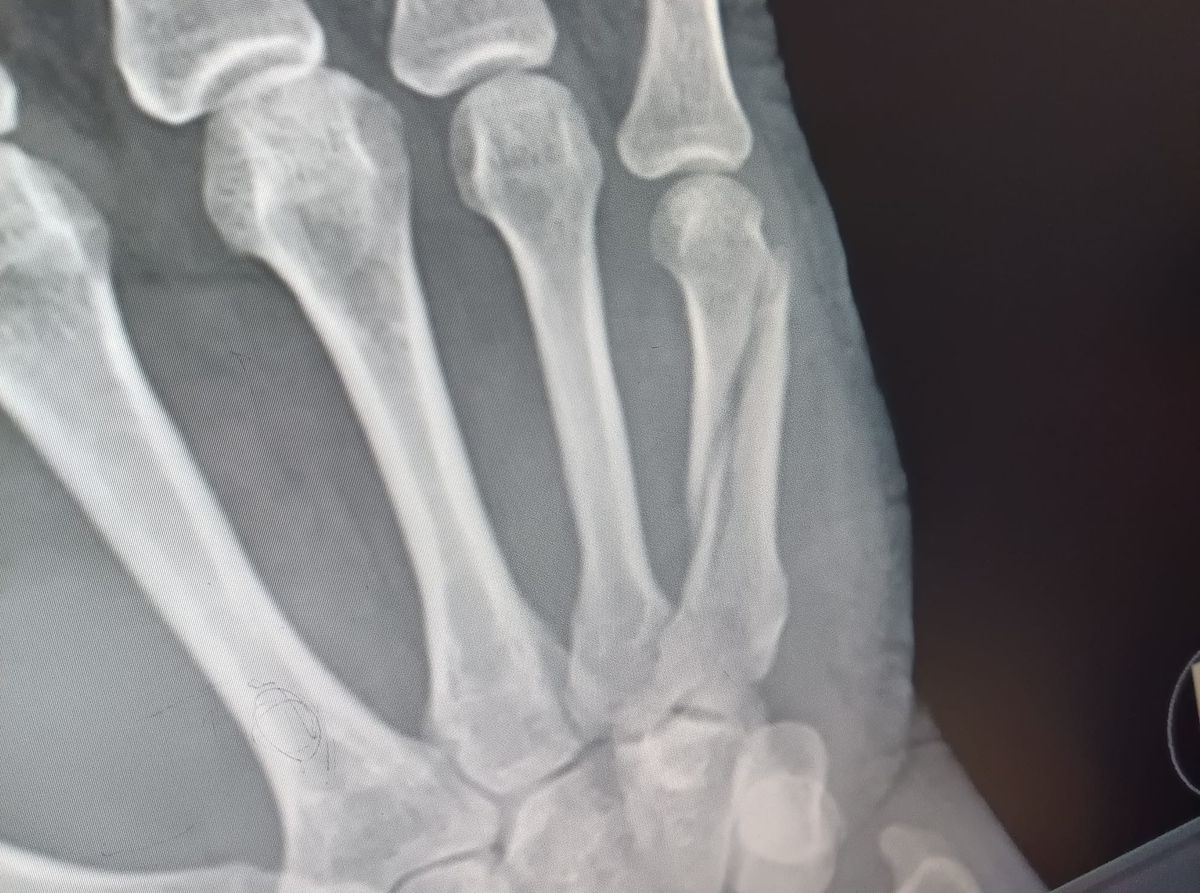
But, in 2025, after President Donald Trump returned to office, Immigration and Customs Enforcement officers arrested him at his scheduled check-in appointment and sent him to Mexico. In the process, he said, they broke his hand and placed him in a restraint that has been called a torture device by human rights workers.
Pineda Vaquerano is among more than 300 people that the Trump administration has sent to countries where they have no ties after immigration judges granted them protection from deportation to their home countries because of legitimate fear of persecution or torture — people who fit the international definition of refugees — according to a report from Human Rights First.

“This is just a complete subversion of the global protection system,” said Savi Arvey, director of policy, refugee and immigrant rights at Human Rights First. “At the core it's the most perverse part of their very deliberate attempt to send people to places where they have no connections or ties and they might and in many cases have faced immense harm. It’s really unprecedented.”
ICE did not respond to a request for comment from Capital & Main.
According to the report, the Trump administration has systematically targeted people who were granted protection from deportation as part of its third country removals program, breaking from decades of policies that allowed people with these protections to remain in the U.S. Many of those people had protection as members of the LGBTQ+ community from countries that do not allow those identities to exist freely.
U.S. immigration law offers three kinds of protection to people fleeing their countries. Asylum, the most well known, offers a path to citizenship, but it is discretionary, meaning that judges can choose not to award it. Historically, that typically happened because the person seeking protection had some kind of serious criminal history, but under both the first Trump administration and the Biden administration, the U.S. government added requirements that disqualified most people arriving at the border from obtaining asylum, meaning they had to turn to other forms of protection to stay in the country.
The other two kinds of protection are not discretionary — if someone qualifies, the judge has to grant them refuge. The first, withholding of removal, means that the person met the U.N. definition of a refugee and is more likely than not to be persecuted if returned to their home country. The second, protection under the Convention Against Torture and Other Cruel, Inhuman or Degrading Treatment or Punishment, offers refuge to people who can prove they will likely be tortured if returned.
Under both withholding and protection under the Convention Against Torture, the immigration judge technically issues a removal order to deport the person but then blocks their own order by granting one of these protections. Before the second Trump administration, people with this status had to check in periodically with the U.S. government and renew their work permits, but as long as they stayed on U.S. soil, they generally would not be forced to leave.
In 2019, the Trump administration restricted anyone who had passed through another country after leaving their own country and before entering the U.S. from getting asylum.
In 2023, the Biden administration reintroduced this restriction for anyone who did not use the CBP One mobile application to make an appointment to request protection at a port of entry. Many asylum seekers struggled to get appointments through the app, and many found themselves in danger in Mexico. Instead of waiting in danger, they chose to cross between ports of entry, blocking them from receiving asylum.
A federal judge has since blocked the restriction, but Human Rights First researchers identified at least 41 people who received one of the other forms of protection instead of asylum because of that restriction whom the Trump administration has now sent to third countries.
“It had nothing to do with the merits of their claim, and as we know, the wait times for CBP One were super long,” Arvey said. “There were people who didn't know about the app, who couldn't access it in their language, who were afraid to wait in Mexico. We just in particular have been so horrified to hear about those cases.”
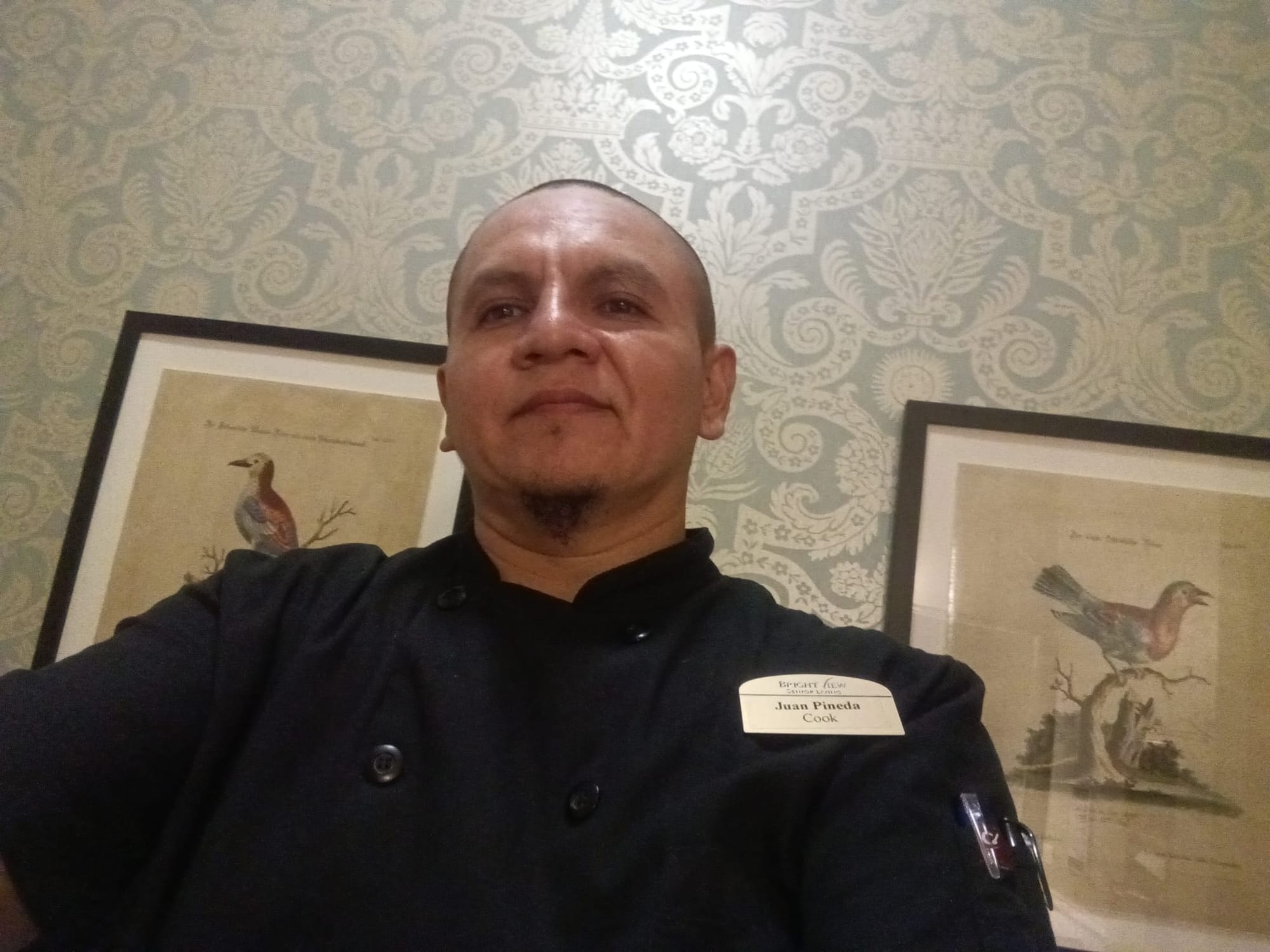
Pineda Vaquerano said he crossed the U.S.-Mexico border in the summer of 2022 in Texas. A Texas judge initially denied his case, but he was one of about 6,000 people affected by an ICE data breach, and he was given a second chance at his case, this time from a Georgia detention center with notoriously low grant rates for protection.
Even without an attorney representing him, he managed to convince an immigration judge based on all of the evidence he brought with him from El Salvador, including a broken clavicle suffered at the hands of police there, that he would be tortured if returned to his country, and she granted him protection under the Convention Against Torture.
“It was a relief,” he said in Spanish. “I felt more at peace because they weren’t going to send me to my country.”
ICE released him from custody in January 2024, he said, after he won his case. He moved to Maryland where his cousin lived.
His wife and five of his children were still in El Salvador, so he said he began working two jobs — one as a cook at a restaurant and a second overnight cleaning kitchens for restaurants and hotels — to send money back to help them. He knew that because he hadn’t gotten asylum, he wouldn’t be able to sponsor them, but he hoped to save money to somehow reunite with them.
Because of his status, he still had to check in with ICE periodically. At his first appointment, in September 2025, he said officers made him sit at the ICE check-in office the entire day before informing him that they were detaining him.
He told them that he couldn’t be sent back to El Salvador, that he was worried that they would do to him what they had done to Kilmar Armando Ábrego García, a Salvadoran man who had also won protection from deportation there. ICE deported Ábrego García there anyway, and the Salvadoran government immediately imprisoned him.
But the ICE officers in Baltimore told Pineda Vaquerano that he wasn't going to El Salvador, he said. They planned to send him to Mexico.
“It was difficult,” Pineda Vaquerano said. “I had told my family I didn’t want to go (to the appointment), but I knew I had to do things the right way.”
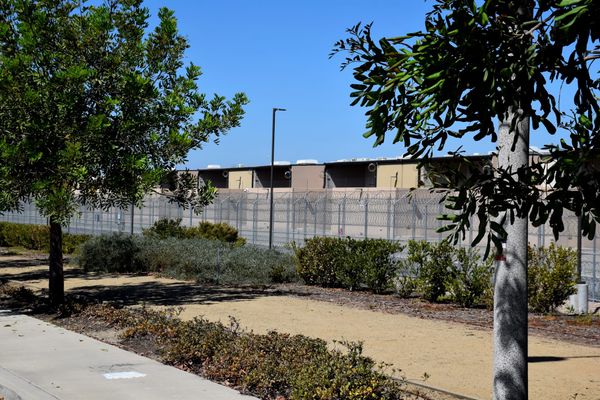
He spent about a month in custody before officials drove him from an Arizona detention center to the Nogales border, he said. Before that first attempt to hand him over to Mexico, he said, officials broke his hand trying to force him to sign documents, and they beat him before placing him in The WRAP, a full body restraint that deportees have complained ICE uses as a torture device.
“It’s remembering the same thing that happened in my country,” he said. “In my country, they broke my clavicle, and in the U.S., they broke my hand.”

Mexican officials refused to accept him in such a medical condition, he said, and the ICE officers drove him hours back to the detention center. It took three more tries before a Mexican official agreed to accept him, he said.
Mexican officials sent him on a bus to Tabasco, a border state with Guatemala. He begged officials not to deport him to El Salvador and showed them the documents about his case in the U.S. He said they gave him permission to remain in Mexico for 10 days.
He said he faced discrimination because of his nationality and lack of legal status in Mexico, especially when trying to get medical care for his injured hand. It healed crooked, he said.
He applied for refugee status in Mexico and recently received his residency there, he said. His family has now joined him.

But, they are still struggling. He earns roughly $10 a day at a fruit shop, and his son has a serious medical condition involving his brain. He said the hospital there hasn't been able to help his son, and the family is trying to figure out how to move to Monterrey, where they've heard there are more neurology specialists.
He said the family needs about $700 for tickets to travel to Monterrey.
Pineda Vaquerano said he would give his own life if it would help his son heal and he would gladly donate an organ, but he can't do anything to help with his son's brain condition.
“I ask God, ‘Why so many things?’” he said. “I don’t understand.”