ICA San Diego financial troubles leave artists with unpaid costs and shuttered shows

Two artists say the museum’s recent layoffs and financial instability disrupted years of work, prompting calls for greater transparency and accountability.
Written by Kate Morrissey, Edited by Lauren J. Mapp
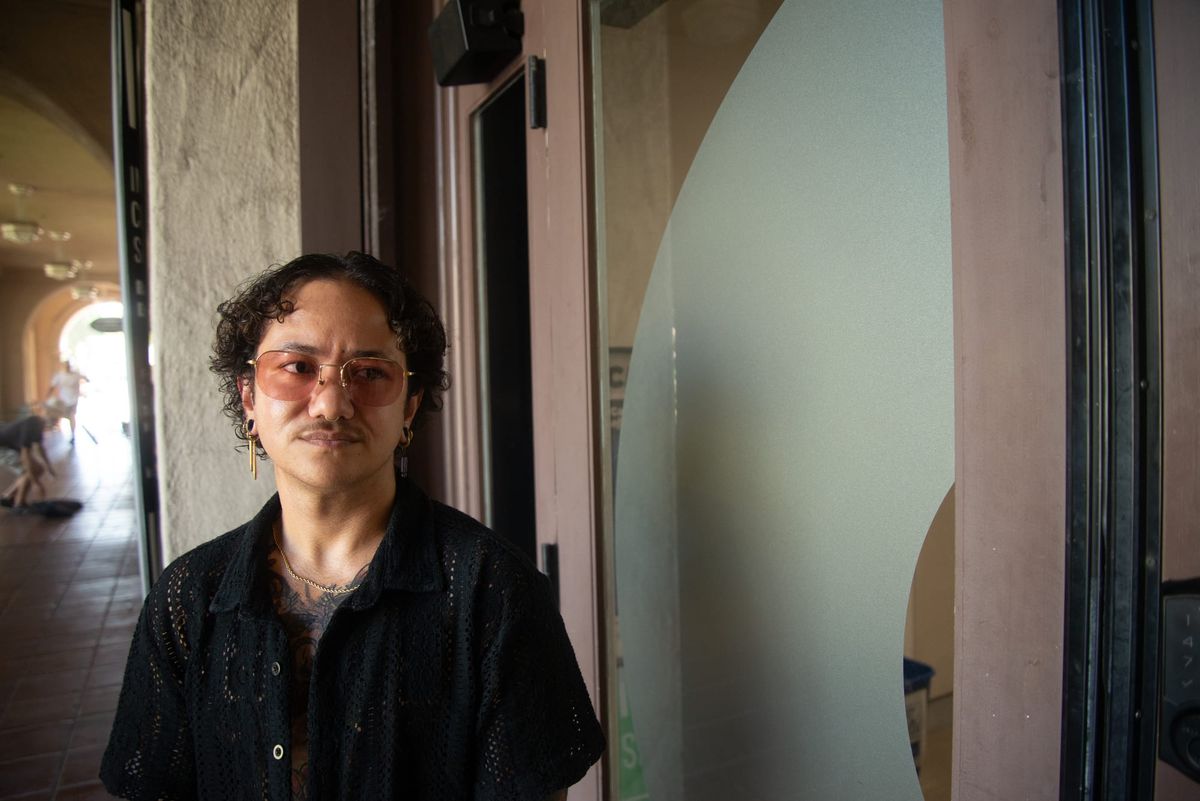
When visual artist Cat Gunn read about the theme for the 2025 artist residency with the Institute of Contemporary Art San Diego, they said it felt perfect for the work they hoped to create.
But the institute's financial instability, made visible to the public through recent layoffs, marred Gunn's time in residency there. They said the institute delayed stipend payments for art materials by months, made a late change in the exhibit location that complicated the work they were creating for the museum and ultimately closed their exhibition a month early because the museum no longer had staff to open the space to the public.
“It's so wonderful that the ICA was offering this opportunity, but I think it's also this reality of what does it mean for an institution that is experiencing this instability to bring in young, emerging artists that are often vulnerable or from underrepresented backgrounds — we oftentimes already live a life of precarity as a creative force,” Gunn said.

The Institute of Contemporary Art San Diego did not respond to requests for comment. On its Instagram, the museum has posted a statement calling the moment a period of “significant change” and “renewal.”
“Like many nonprofit cultural organizations, we are navigating challenging financial realities. We have made difficult decisions to reduce our staff, adjust our programming, and temporarily close ICA Central to the public. We are deeply grateful to the colleagues whose creativity, care, and commitment have helped shape ICA,” the statement says. “We’re sorry. We know these changes affect our artists, our staff, our partners, our members, and everyone who planned to visit ICA Central and experience our exhibitions and programs. We recognize the disappointment and uncertainty this news may bring.”
In 2021, San Diego Art Institute and Lux Art Institute merged to create the Institute of Contemporary Art San Diego.
Tax records for the organization show that it had growing annual losses starting the next year, in 2022. The organization's expenses increased significantly that year — from just under $539,000 in 2021 to more than $2,056,000 in 2022, a nearly 300% increase. That includes an executive pay increase from just over $20,800 to more than $106,000 and other salary increases from about $154,000 to just over $953,000.
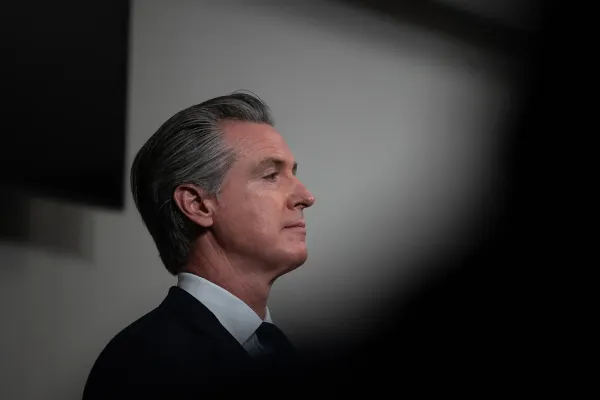
Staff with the institute sent a letter to its board on Aug. 18 calling for a vote of no confidence in executive director Andrew Utt because of financial mismanagement, erosion of workplace culture and community relationships and wage theft, according to a copy reviewed by Daylight. The letter says that the museum delayed payroll checks because of insufficient funds, which the letter calls a “severe violation of the state's labor code.”
Utt did not comment when asked about the situation via text. He said he passed Daylight's requests along to the board.
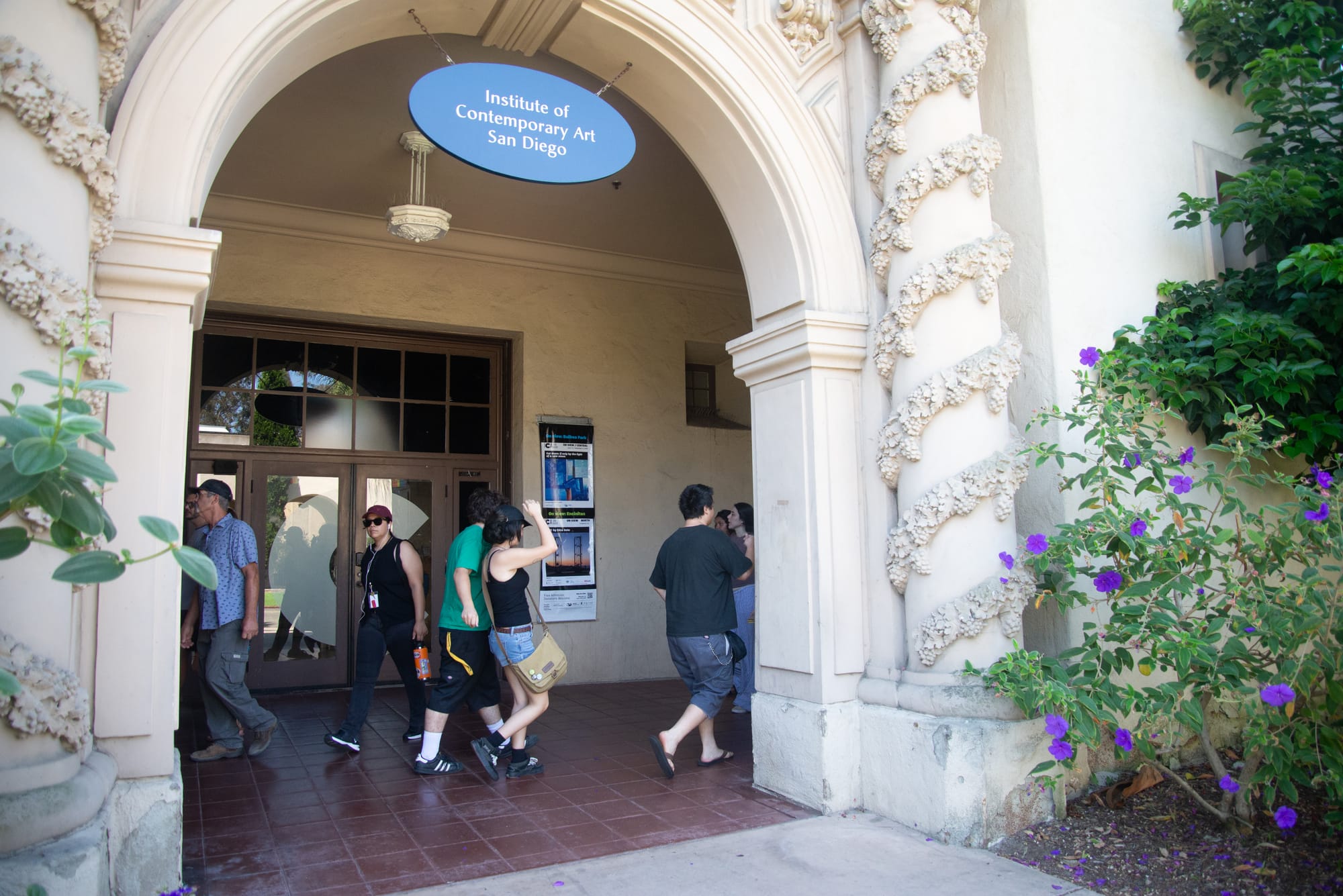
The letter does not name Gunn but references experiences that the artist described to Daylight.
Gunn's residency, which ran from Jan. 6 to Dec. 30, 2025, included studio space at Studio 6608, monthly payments of $500 for art materials and an exhibition at the museum, which would pay an additional $2,000 upon installation, according to contracts between the artist and institute.
However, Gunn didn't receive any of the monthly stipends until July 28, 2025, according to financial records reviewed by Daylight San Diego.
Gunn said they eventually told then-curator Jordan Karney Chaim that they hadn't received the money. They said Chaim was upset and promised to figure out how to get them paid.
When the institute finally paid that first stipend amount, it paid for only five months of the residency, not the seven that had already passed. Payments continued sporadically through the end of the year.
But by then, Gunn had hit another snag in the museum's promises. They said the institute had originally planned for them to create an exhibit for its Encinitas gallery space, but in early December, Chaim told them that they would exhibit at the Balboa Park gallery instead because of staff shortages and financial strain.
“I'm finding out two months before my show is supposed to be open to the public that there's this major change,” Gunn said. “I'm making site-specific installations, so I have been doing site visits to their Encinitas gallery to get measurements to respond to the architecture of that space, to understand all the features of that gallery. So to find out that now I'm not going to be in that gallery, I have to alter the work, and change how I'm planning everything.”
The Balboa Park space was also significantly bigger, meaning that Gunn would need to create more art to fill it.
Gunn said Chaim was supportive and empathetic, and she worked with Gunn to reschedule the exhibit for later in 2026 so that they would have time to make the adjustments — and to continue funding the studio space for Gunn to work in the meantime. Gunn applied for and received an emergency grant from the Foundation for Contemporary Arts to help with the cost of the installation changes.
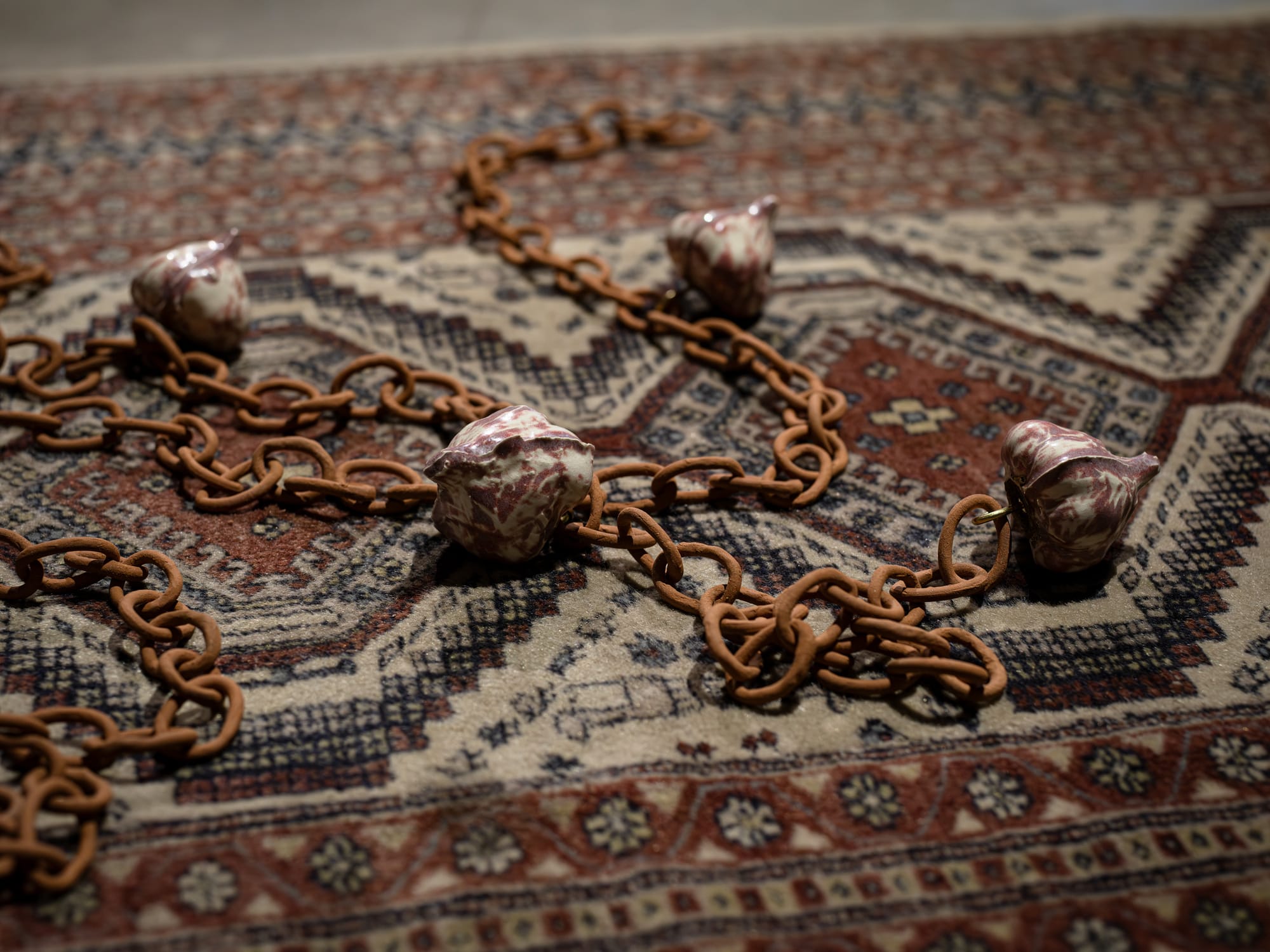
Their show, “if only by the light of a new moon,” opened in June. The exhibit explored untold family history, focused on Gunn's mother's family in the Philippines, through a variety of media including ceramics, film, cyanotype and what Gunn called a “deconstructed immigrant home.” The exhibit probed colonial violence while asking questions about how to have that discussion without retraumatizing its victims.
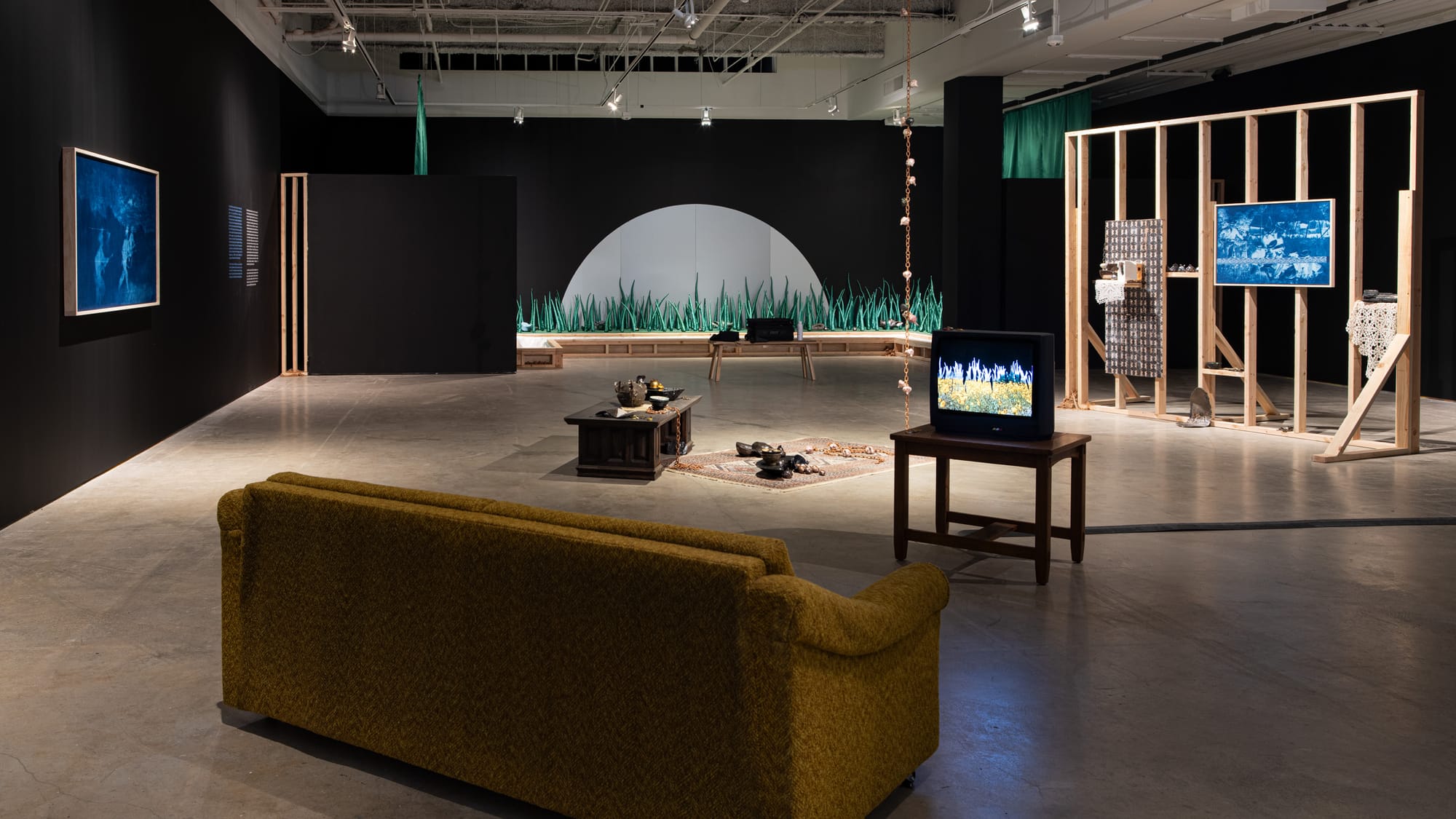
Gunn said they received overwhelmingly positive feedback and that many people approached them to share similar experiences of growing up assimilated and unsure of their parents’ cultures or stories.
They visited the gallery space often to show the exhibit to friends and peers, and often other people viewing the exhibit would recognize them as the artist and join their conversations.
“Something that I've appreciated about the work being public is that it sort of leaves us space for contemplation or introspection, where people can begin to wonder about their own family histories,” Gunn said.
In mid-June, Utt texted Gunn to ask for a phone conversation and to invite them to a private dinner the following week that the museum was hosting in the Balboa Park gallery. Gunn offered to speak on the phone the next day and said they weren't available to go to the dinner. They said Utt never followed up.
Gunn later learned through social media posts that the dinner, hosted by The Blank Table, had celebrated Utt's birthday and cost $275 a plate. The event framed Gunn's exhibit as the backdrop for the event, they said.
Gunn said the fact that Utt didn't have a conversation with them prior felt disrespectful.
“I understand a museum or gallery will have events programmed in the show, but I don't really like the idea of the director hosting his birthday dinner at my show,” Gunn said. “That's about my family survival story.”
They said Utt could have come to them to collaborate on event ideas that would make sense with the exhibit themes and bring in revenue for the museum.
“Because there's no real, actual collaboration on the programming with what my show is about, it just ends up feeling like this attempt to commodify violence and trauma,” Gunn said.
The staff's letter to the board specifically calls out the Blank Table event as an example of Utt's choices that created mistrust with the artist community. It refers to the event as an “unpaid rental.”
Blank Table did not respond to a request for comment.
In contrast, when Creative Mornings San Diego hosted its monthly lecture in the space at the end of June featuring the museum's curator Chaim as the speaker, both Chaim and the event hosts discussed with Gunn what would be appropriate and how to set up the event space in a way that felt comfortable to them and their art's message, Gunn said.
Gunn said Utt's leadership has changed the museum from a mission driven organization to a revenue generating organization. They said the director at one point tried to plan a speakeasy experience in the middle of Gunn's exhibition, but to Gunn's relief, Utt paused those plans.
In July, Gunn got a message from Chaim saying that the institute had laid her off. Gunn said Utt called later that day to share the news. In that same conversation, Gunn said, Utt asked them if they would be willing to extend their show's closing from mid-September to the end of the year.
Gunn said they would think about it. They worried about their own scheduling obligations for deinstallation and about the artist who was supposed to exhibit after them — Ava Aviva Avnisan, a multidisciplinary artist who uses technology and research to create her art. A few days later, Gunn told Utt that they wanted to end their show as scheduled in September.
Then, in mid-August, the museum laid off more staff, including the entire team responsible for keeping Gunn's show open to the public.
“I write this message with sadness,” Utt said in an email to Gunn reviewed by Daylight. “Unfortunately, we've had to make more drastic changes to the staffing at ICA in order to continue our programs in the future. This means that we will be unable to continue opening your exhibition to the public from now until mid September.”
Gunn said they had friends who purchased plane tickets to return to San Diego from summer travels early to see the show who now won't be able to see it.
“So now my work is just kind of sitting in the dark there,” Gunn said. “I don't really know what's happening with it, but presumably it's just gathering dust.”
Meanwhile, Avnisan learned that the institute was canceling what would have been her first solo museum exhibition altogether. She has already invested more than a year in working on the project as well as her own money, which she expected the museum to reimburse her for, she said.
The museum had told her verbally that it would pay her both a production budget and a stipend for her work, she said, but they hadn't yet signed a contract. She fronted the cost of the exhibit, believing that she would eventually receive those payments.
Now her messages asking about that money have gone unanswered, she said.
“At this point I don't have a very high expectation that that will happen,” Avnisan said. “Other than that, I'm moving on. I think the learning is an important lesson as an artist which is not to put up your own money before you sign a contract, which I was on the verge of doing when the show was canceled.”
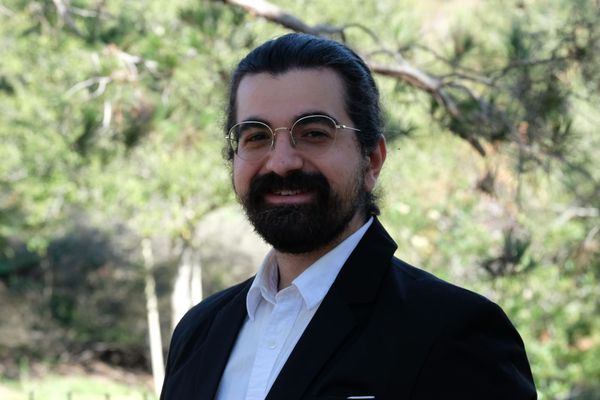
Her exhibit, “Specters of Home,” looks back at Avnisan's childhood growing up as a transgender girl in Jerusalem and how she came to understand both her politics and her gender, she said. It involves a short film as well as large-scale photographic sculptures.
She's in the middle of a three-month Bread & Salt IMPACT Residency, which she received to give her space to complete her work for the show at the institute's Balboa Park location.
“It was really disorienting because I had been pushing — I had been working so hard and pushing so hard,” Avnisan said. “It's very disappointing.”
Both Gunn and Avnisan said they're more worried about the people who lost their jobs during the layoffs than about themselves.
Avnisan said she's working to secure another venue and hopes to make an announcement next month.
Gunn said though the residency ended up feeling unjust in many ways, they are grateful for the connections they made with the former curator of the museum and other staff, and they are proud of the solo exhibition they created.
Both Gunn and Avisnan called for greater transparency and accountability from the museum.
“I don't understand how this could not have been better foreseen. That just doesn't really make sense to me. This should not have been a last minute surprise,” Avisnan said. “This show should have been canceled a long time ago, way before I spent all this money. That part I just don't understand.”
Gunn said the San Diego arts community has supported them both throughout the residency and now that they've made their experience public via an Instagram post.
“It's not up to the community to support me,” Gunn said. “It's the leadership that needs to support me.”
They said that in the future, the institute and other museums should communicate openly with the artists they're working with if they're having financial troubles.