ICE detainees say they had to relieve themselves in a bucket during facility shutdown

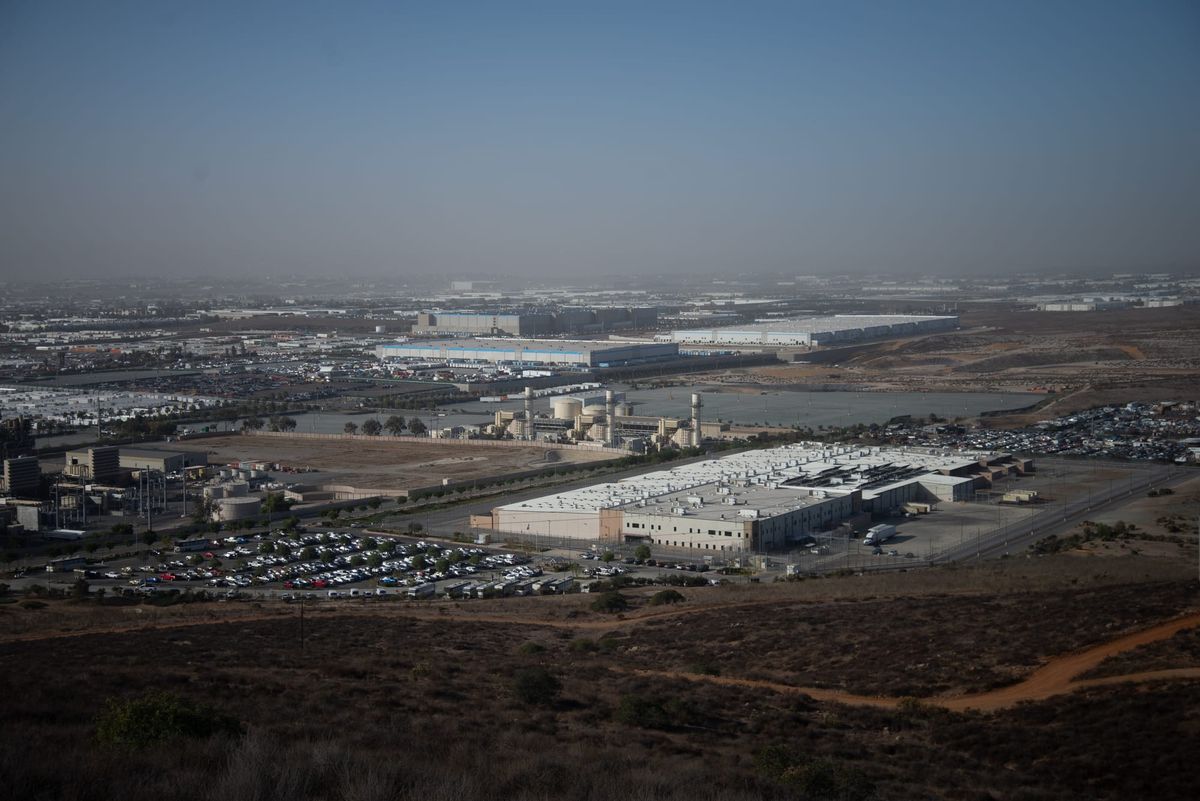
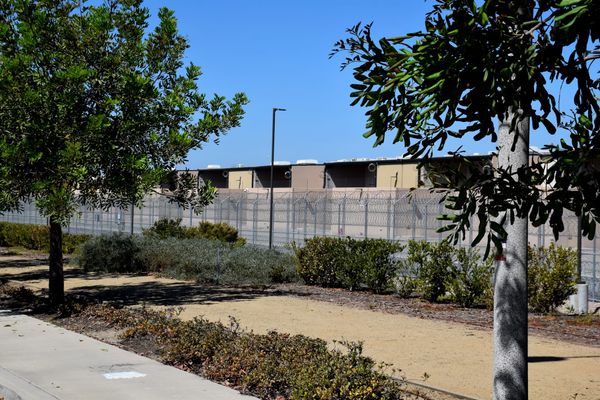
Otay Mesa Detention Center received a visit from officials and shut down detainee movement for hours, blocking lawyers’ access to clients and stranding a group in the dining area without access to a bathroom.
Written by Kate Morrissey, Edited by Lauren J. Mapp
A recent visit from officials to Otay Mesa Detention Center locked down movement at the facility, shutting off access to attorneys — and even to bathrooms for one group of men — according to multiple sources.
On July 31, attorneys Nick Paul with the Partnership for the Advancement of New Americans and Tessa Cabrera with Hurwitz Holt, APLC, went to the facility to visit clients in the custody of Immigration and Customs Enforcement. Both learned that staff had frozen all detainee movement inside the facility because unidentified officials were visiting.
Paul said facility staff told him the visit was pre-planned.
“It was super frustrating,” Paul said. “In theory, they could've avoided stranding detainees in areas where they wouldn't be able to use the restroom if they knew these folks were going to be visiting.”

ICE had recently purchased the property from CoreCivic, a private prison company that still operates the facility.
CoreCivic deferred to ICE when asked about the lockdown. ICE did not respond.
The offices of several members of Congress who have visited the facility told Daylight San Diego that the building doesn't typically freeze during their inspections.
Paul came to the detention center that afternoon to meet with several clients. He said the parking lot was blocked off when he arrived, and he had to park on the street. When he came inside, he went through the usual process and went up to a waiting area near the legal visitation rooms and the immigration court.
After he had waited there for longer than usual, he asked what was happening and a facility staff member told him that they had just learned that movement in the building was frozen. The staff member said they didn't know how long it would be but emphasized to Paul that he wasn't in danger and that the visit was pre-planned. Eventually, Paul decided to leave and try again another day.
One of Paul's clients, who has had ongoing health concerns involving rectal bleeding, said facility officials took his housing unit, known as E Pod, to the dining area a little after 1 p.m. for a lunch consisting of cabbage, slices of deli meat and bread.
“They rushed us to finish eating,” the man recalled in Spanish, “but then they said that we couldn't go back because ICE supervisors from Washington were there.”
Daylight San Diego is not identifying him due to safety concerns.
Eventually, the man said, he felt the need to use the bathroom and began pushing on a button to ask facility officials to take him to one.
He said several other men were also needing to relieve themselves and eventually found a bucket that was usually used to clean the tables. He resisted using the bucket and kept pushing the button, but an official told him to stop pressing it and instructed him to pee in the bucket.
“That's not OK what they did,” the man said.
He said a guard threatened to put him in solitary confinement if he didn't follow instructions.
“I waited as long as I could,” he said. “I couldn't hold it any longer because of the pain from my condition.”
He said some officials stood in front of the window to the dining area so that the visitors wouldn't see inside where the men were.
Eventually, an official came and was upset about the bucket, he said.
After 3 p.m., officials took the men back to their housing unit.

Cabrera said one of her clients was also in E pod and shared a similar story with her about having to use a bucket to relieve himself.
She said she went to the detention center around 2 p.m. to visit several clients. Cabrera said she timed her visit to arrive before count started in the late afternoon, when movement in the building freezes for a time. She said when she found out about the unusual lockdown, she decided to wait because of how many people she needed to see. Facility staff kept her in the building lobby, she said, and eventually, she saw five men in suits receive their IDs back from the front desk staff and leave the building.
One staff member later told her that the officials were armed while they toured the facility. She said she didn't see any weapons when they passed by.
She said facility staff told her around 4 p.m. that they were still feeding lunch to some housing units because of a delay caused by the freeze.
“It's wild how they just ignore human rights while they're doing whatever they're doing,” Cabrera said. “You'd think they would want to see the facility operating as normal as it actually runs.”
Paul's client said he would've liked to talk to the visiting officials to tell them how conditions really are in the facility, but even though he signed up to talk to another set of officials when they visited months earlier, he wasn't allowed to. He said the guards sprayed cleaning solution in the entrances of the housing units so that it would smell like it had been cleaned.
“They cover for each other, from the bosses down,” the man said.