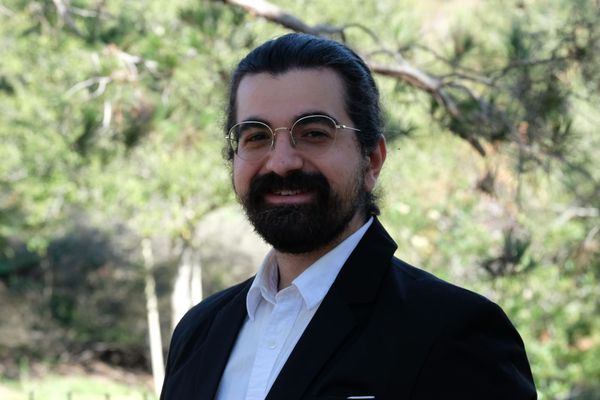
Meet Yanelli Zavina Robles, Southwestern editor-in-chief turned Daylight intern

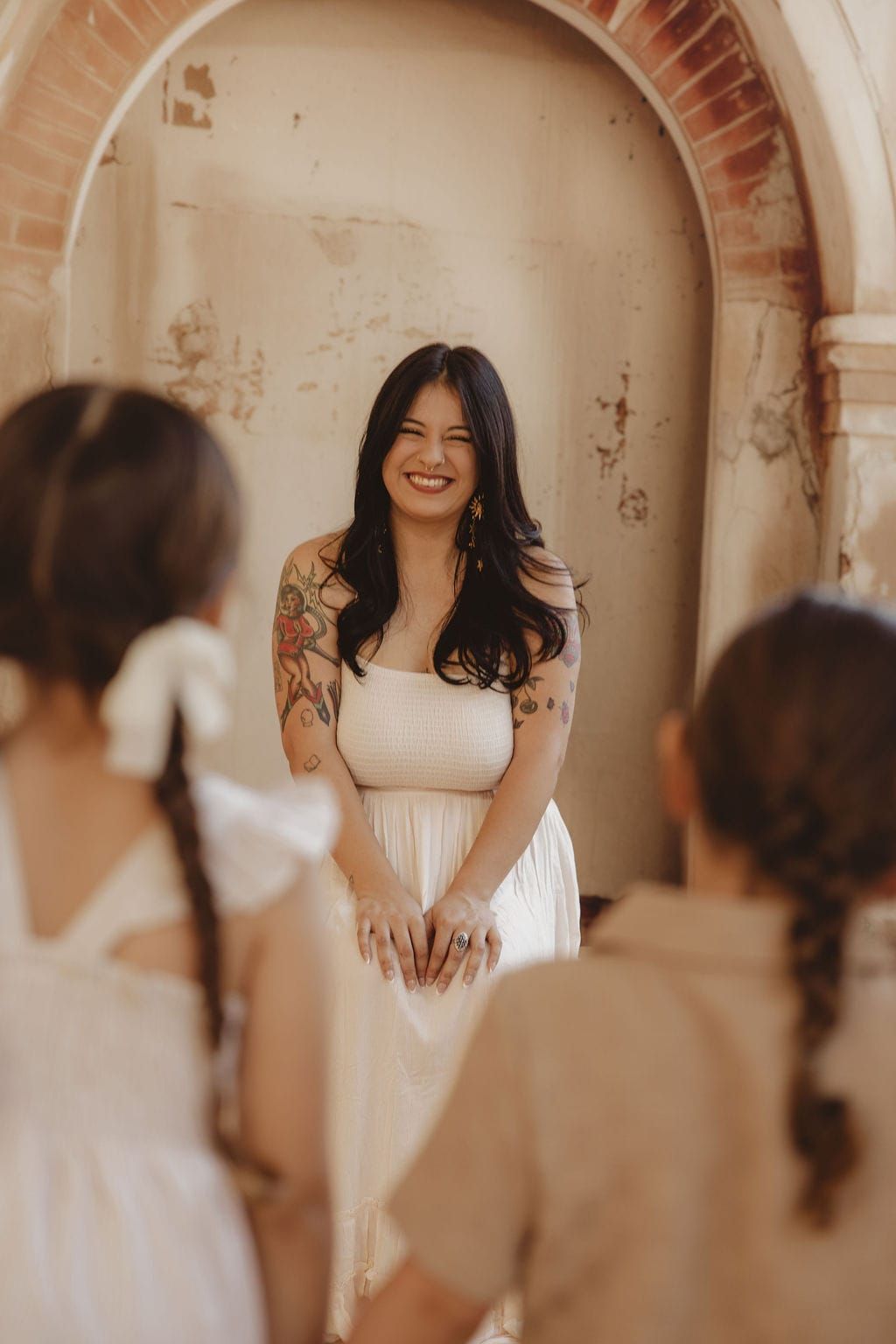
From her South Bay roots to newsroom bylines, get to know the first-generation college intern joining Daylight’s arts and culture coverage.
Written by Yanelli Zavina Robles, Edited by Lauren J. Mapp
Introduce yourself.
My name is Yanelli Zavina Robles (she/her/ella), I'm a Chicana journalist and a lifelong resident of San Diego’s South Bay. I am a first generation college student and will earn my associates in Journalism from Southwestern College. I plan on continuing my education at Arizona State University’s Walter Cronkite School of Journalism and Mass Communication, where I will pursue my bachelor’s degree.
Why did you become a journalist?
I grew up telling stories through acting and experiencing them as a bookworm. When I was 15, I auditioned to become the morning show host at my high school, and that experience changed the way I thought about storytelling. I knew then that I wanted to pursue a career in broadcasting or radio.
That career path became clearer as I got older. My passion for advocacy grew, my perspective on the world began to change and I became more aware of the stories happening within my own community. Journalism gives me a way to bring those interests together. I can tell stories that inform people, celebrate communities and bring attention to issues that deserve greater awareness.
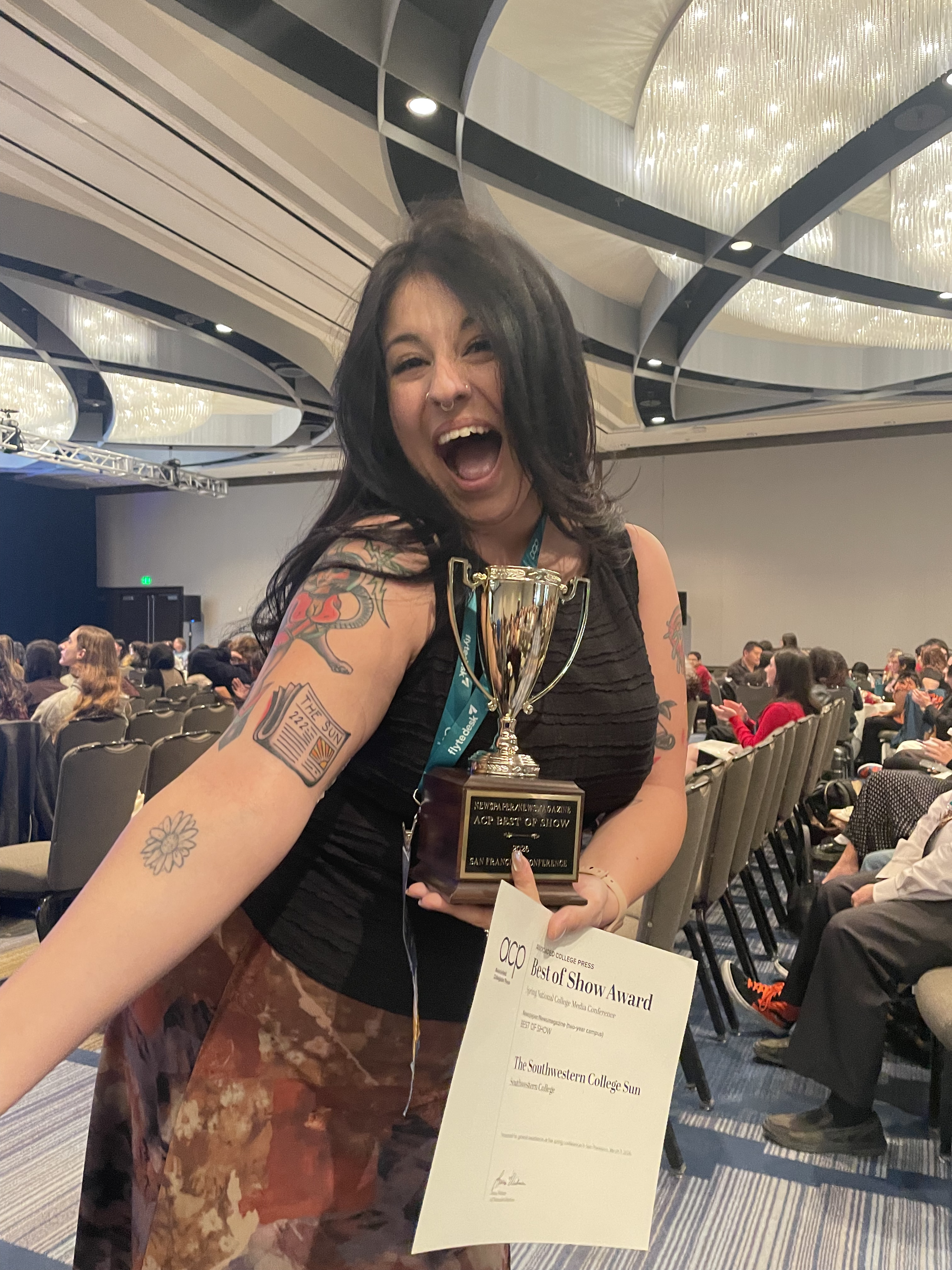
At The Southwestern College Sun, I have further developed that passion for journalism. Through reporting and photojournalism, I have learned that storytelling is more than something I enjoy doing. Journalism is how I connect with people, amplify voices and contribute to the community that has shaped me.
What type of journalism do you like to cover? What topics?
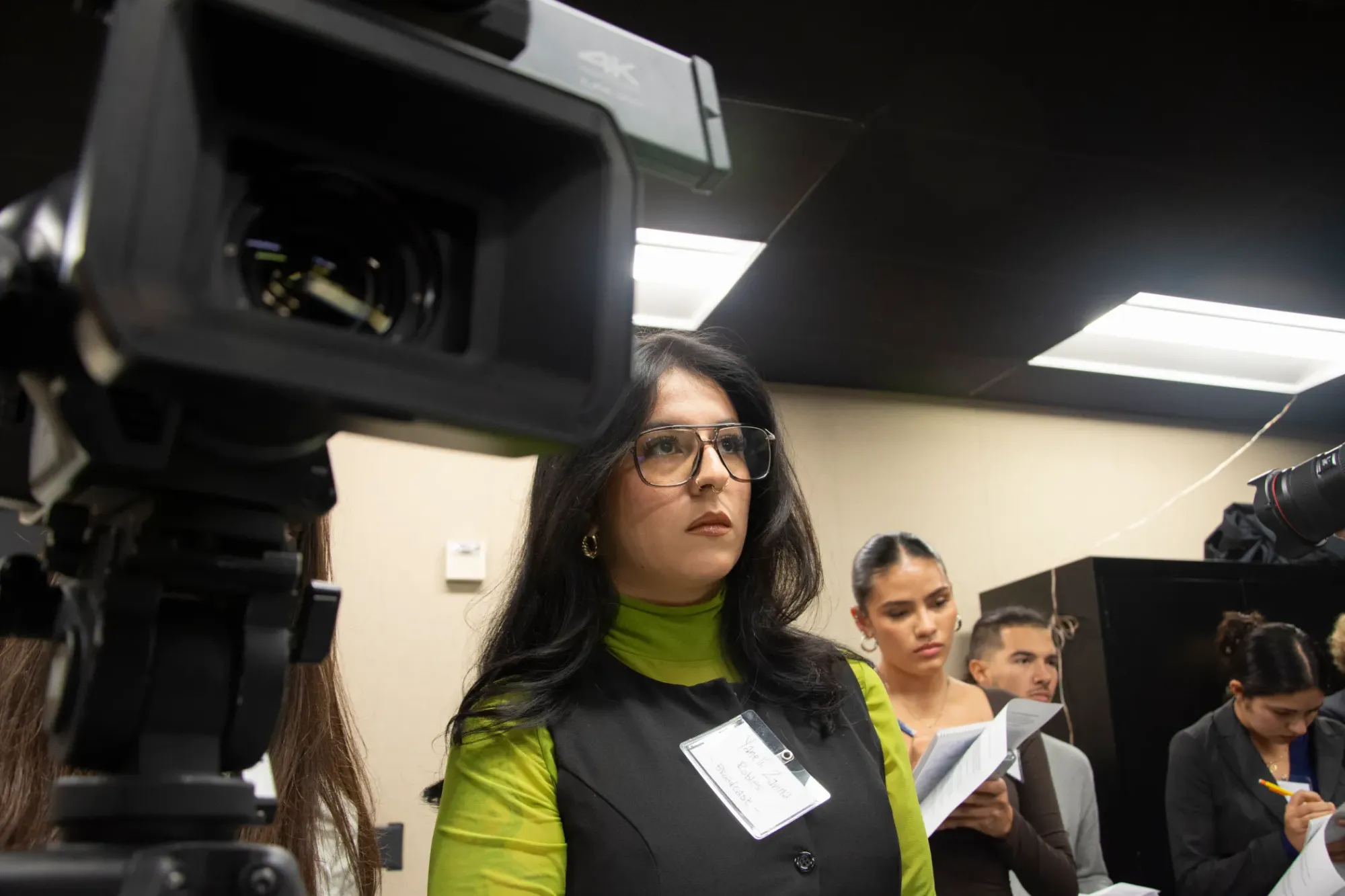
My favorite type of journalism to cover is cultural events that bring my community together.
Whether I’m covering Chicano Park Day, powwows, art galleries, theater or other events that reflect the diversity of San Diego County, I enjoy telling stories that celebrate the people, traditions and experiences that make our communities unique. Growing up in a culturally rich environment has shown me there is always a story worth celebrating.
Beyond celebrating my community, I also want my reporting to highlight the challenges marginalized communities face. As communities navigate funding cuts, limited resources and barriers to accessing information and services, it is vital that journalists continue telling these stories.
Without consistent reporting and accountability, the people most affected by these decisions can easily be overlooked. I want my journalism to not only celebrate the communities I come from, but also make sure their concerns are heard, their experiences are represented and those with the power to create change are held accountable.
What hobbies do you have?
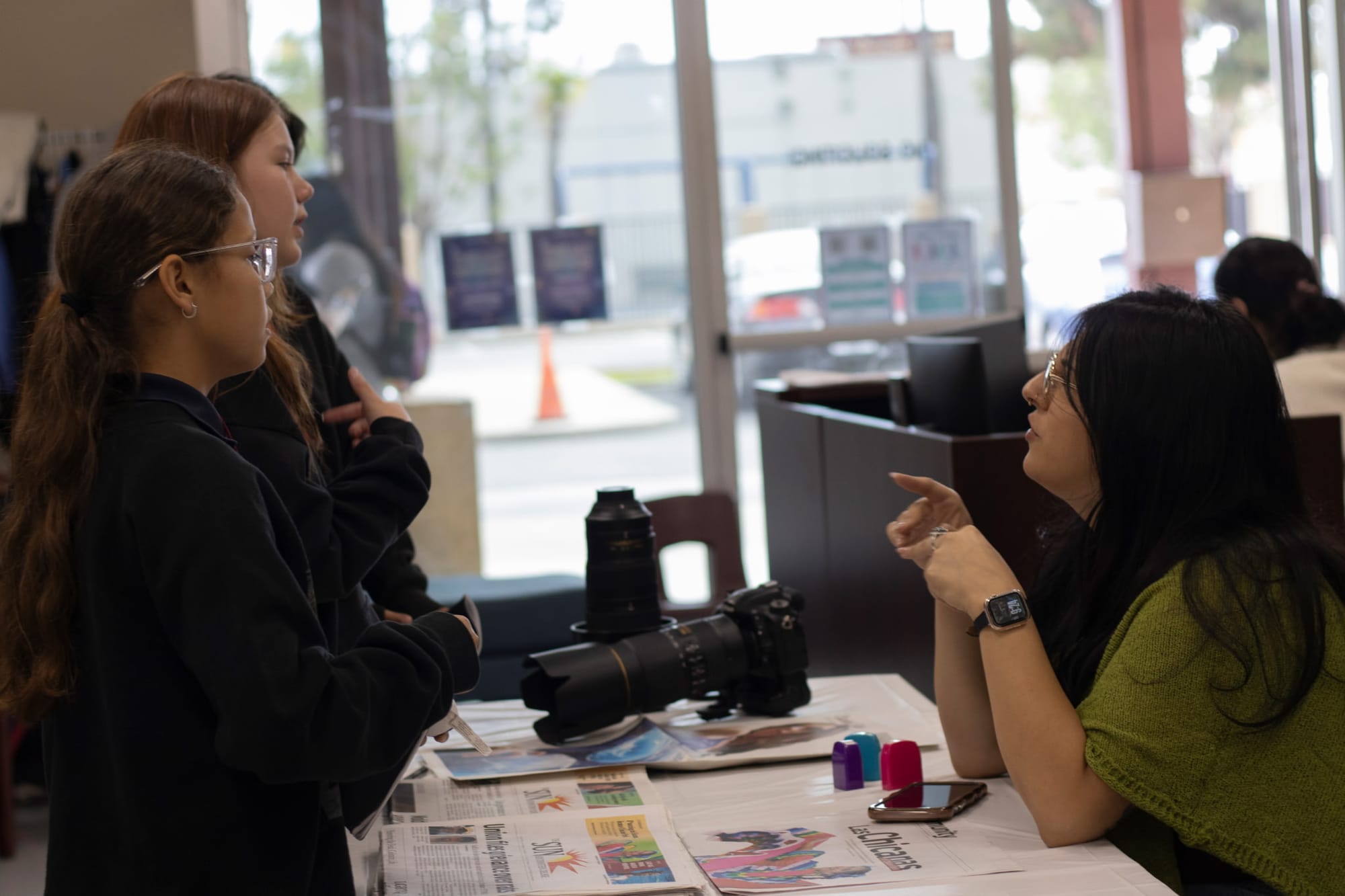
When I’m not reporting, I love cooking, photography, dancing ballet, and singing my heart out at karaoke. I also spend time with the student journalists at Howard Gardner Community School. After inspiring them to start their own school newspaper, I’ve had the opportunity to help them develop their paper and production workflow. Watching them find their own voices as young journalists has become something I really value.
Who’s your favorite musical artist?
This question is always the hardest for me to answer because my favorite musical artist depends entirely on my mood.
My music taste is all over the place. I can go from Mozart to Amy Winehouse, Jimi Hendrix, The Cure, Mon Laferte, Etta James and EDM DJs. To me, music has personality, emotion and a distinct sound, which makes it impossible for me to choose just one favorite.
But I do have one boundary: I draw the line at country music.
What TV shows or movies are on your mind at the moment?
When I have some free time, you can catch me indulging in my guilty pleasure of reality TV, catching up on the most recent documentaries on Netflix, or making my way through the longest-running anime series, “One Piece.”
What does living in San Diego mean to you?
This isn’t just a city to me; it’s home. I am a third-generation San Diegan, and my family has planted roots here. Growing up in a border region where cultures intertwine shaped how I see my community and the stories within it.
San Diego is more than beaches and perfect weather. It’s the food, the art, the history, the languages we speak and the communities that give each neighborhood its own identity. Growing up in the South Bay, I’ve had the privilege of experiencing that diversity firsthand.
It’s also why telling the stories of San Diego means so much to me. I’m not just reporting on a place where I live; I’m telling the stories of the place that raised me.
If you weren’t a journalist, what would you be doing instead?
I honestly don’t know what I would be doing if I weren’t a journalist. Although I asked to move to Hollywood to become a star when I was 4, by 15, my interests had collided and created a path toward journalism.
Growing up, I watched and read Anthony Bourdain’s work and was fascinated by the way he used food as an invitation into people’s lives. He could share a meal, critique the food, learn about a culture and somehow uncover a deeply human story along the way. It combined so many things I loved: food, culture, travel and storytelling.
For a long time, I wanted to be the female Bourdain. In a way, I think I still do, just in my own voice and through the communities and stories that matter to me.
If you could interview any person, living or dead, who would it be and why?
If I could interview anyone, living or dead, I couldn’t choose just one. I would want to sit at a table with Katharine Graham, Maria Hinojosa, Gloria Steinem, Barbara Walters, Connie Chung and Ida B. Wells.
Each of these women carved out a space for herself across generations and faced barriers because of her gender, race or background. As a Chicana journalist beginning my own career, I would want to hear about the moments that challenged them, the stories that shaped them and how they found the courage to keep going in an industry that did not always make room for women.
Most of all, I would ask what advice they would give the next generation of women finding their place in their careers.
Do you have a favorite journalist or writer who inspires you?
I don’t have one favorite journalist. My favorite journalists are the ones who immerse themselves in the communities they cover, ask the difficult questions and aren’t afraid to challenge those in power. I admire journalists who can report on difficult issues while still remembering the people at the center of the story.
One of my favorite writers, however, is Ernest Hemingway. He has a way of telling stories in sentences so short that I sometimes question whether they even count as sentences. Yet somehow, it works. I love that he could say so much with so little, and his writing reminds me that good storytelling doesn’t need many words to make an impact.
What’s the most unexpected or bizarre story you’ve ever covered?
I don’t think I’ve had my unexpected or bizarre story yet. So far, I haven’t found myself on an assignment that has left me thinking, “How did I end up here?” But journalism has a funny way of putting you in places you never expected, so I’m sure that story is still waiting for me
If you could write a headline for your life right now, what would it be?
Balancing bedtimes, bylines and books