San Diego ACLU launches virtual education series on immigrant rights

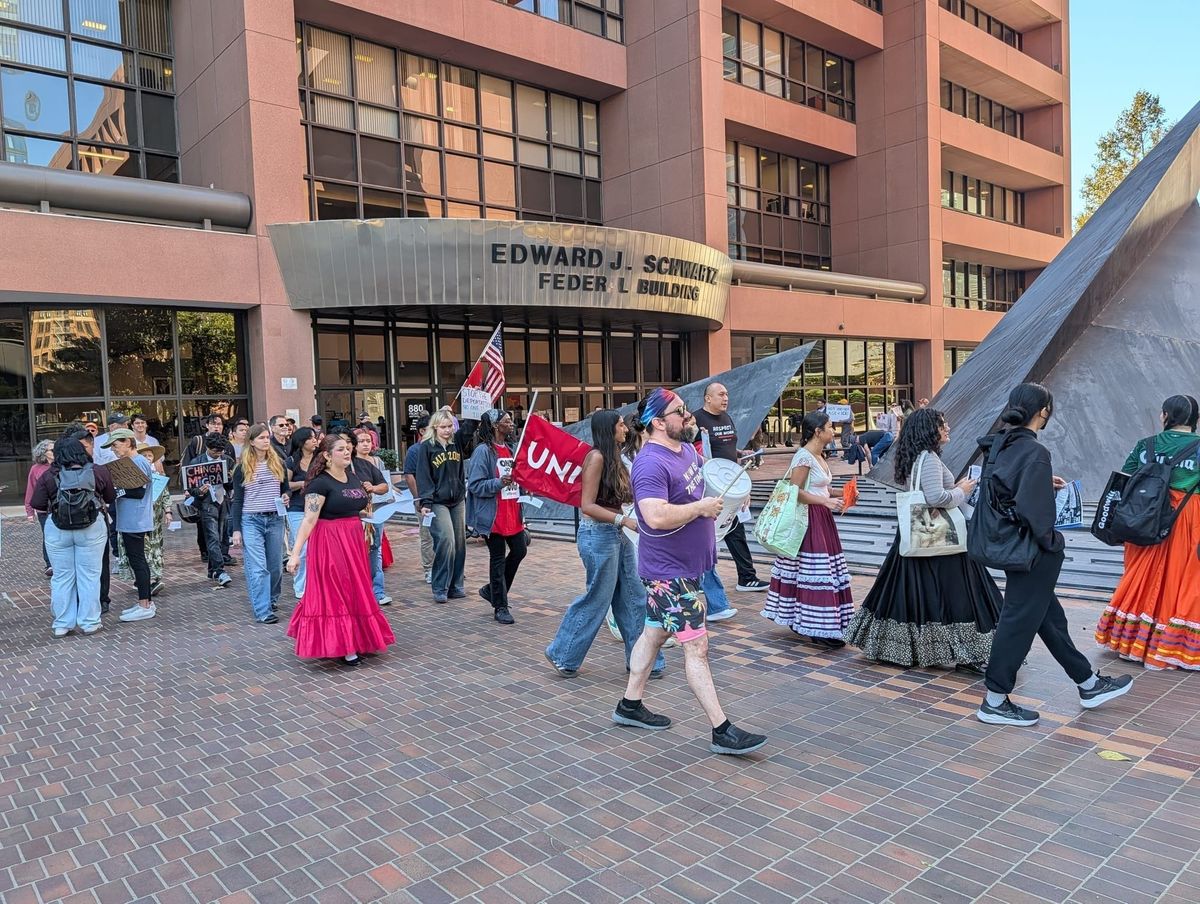
Over four sessions, the American Civil Liberties Union of San Diego and Imperial Counties will teach attendees about immigration enforcement, student rights, interactions with law enforcement and the detention and deportation system.
Written by Kate Morrissey, Edited by Lauren J. Mapp
The American Civil Liberties Union of San Diego and Imperial Counties is hosting a series of free, virtual education sessions beginning on Thursday to teach people about immigrant rights.
The first session will include a panel discussion about what immigration enforcement is looking like across the country and how communities are responding, and the second will focus on immigrant student rights in and around K-12 schools. The third will teach attendees what rights they have when interacting with immigration officers and agents, and the final session will cover the detention and deportation system.

“We're living in a time where there's a lot of fear and confusion and misinformation about people's rights, and this administration, the tactics that they're using are changing daily,” said Eddie Meyer, senior policy advocate on advancing immigrant rights for the organization. “I'm excited to be able to provide information to anybody who wants to learn how they can protect their rights, how they can protect other people's rights and safely observe something that is going on that they feel is unjust and how to report it.”
The series is part of a larger effort this year by the organization called EmpowerEd, which has offered sessions on housing, public safety and education.
Meyer said interpreters will translate all of the immigrant rights sessions into Spanish, and that attendees can request potential support for other languages in advance.
Community members have been asking the local ACLU for more Know Your Rights workshops specific to immigration enforcement, Meyer said.
The first session will include a discussion of what communities hardest hit by aggressive immigration enforcement have found successful for protecting each other, he said.
“I think the most important thing we need to do right now is ensure that people understand what their rights are, that people are reporting what they witness and feel safe about it,” Meyer said. “You should be able to observe what's going on, record it and report it if you think there was some illegal activity or civil rights were violated.”
The first session will take place online at 6 p.m. on Aug. 13. The remaining sessions are scheduled for Aug. 24, Sept. 8 and Sept. 24. All sessions are free, and registration is available online.