What Black women should know about menopause — before the hot flashes start

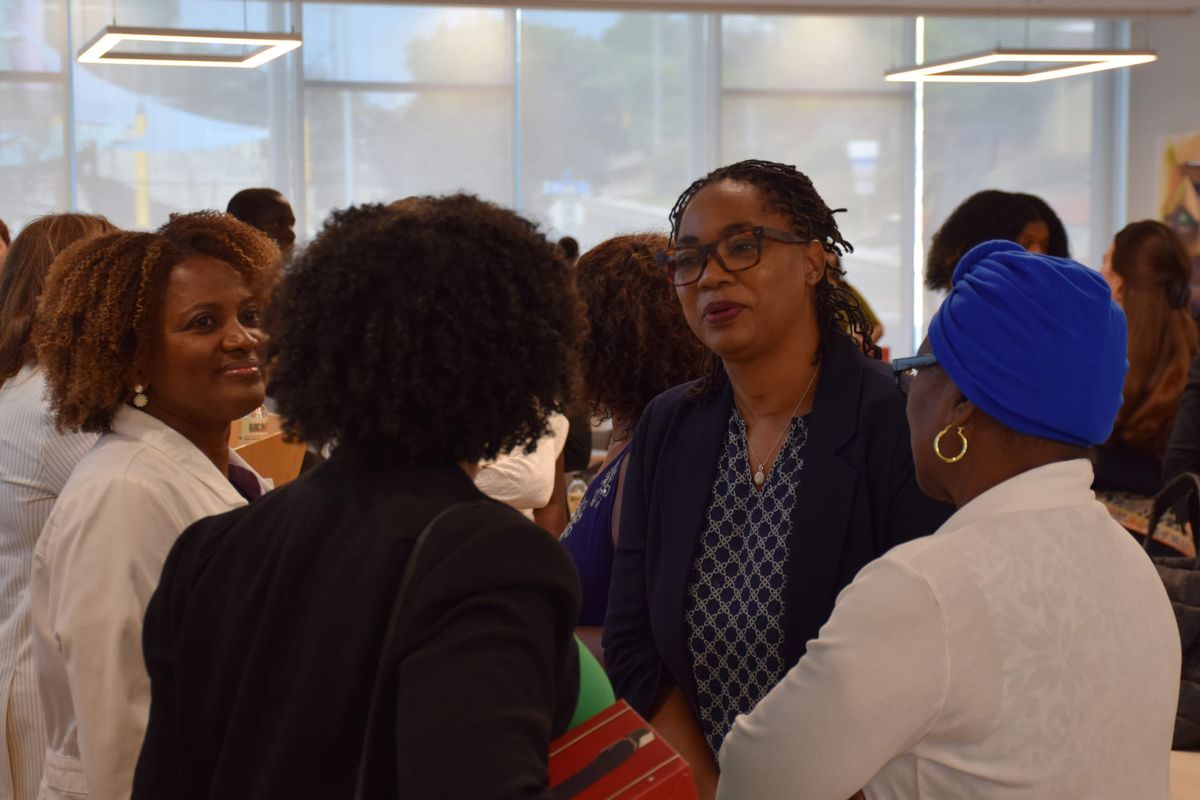
A Southeast San Diego panel explored how chronic disease, health disparities and gaps in medical care shape the menopause transition.
Written by Lauren J. Mapp, Edited by Kate Morrissey
Hot flashes, night sweats, achy joints and brain fog might be among the most familiar early signs of menopause.
But for more than 50 people gathered in Southeast San Diego this week, the conversation went much deeper — into chronic disease risk, disparities in health care and what it means for Black women to navigate a transition that has historically received little attention.
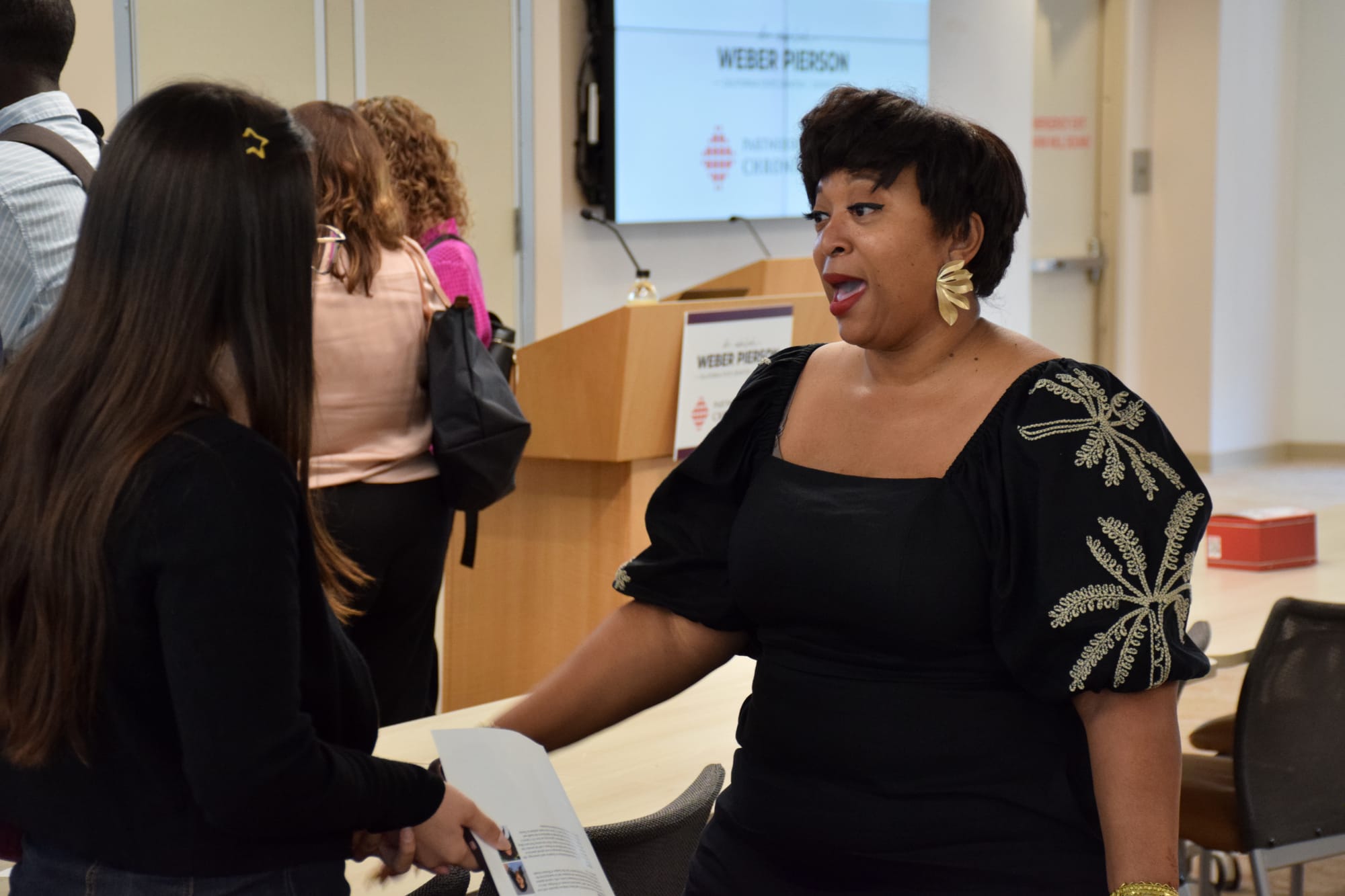
State Sen. Akilah Weber Pierson, an OB-GYN, hosted a luncheon on Monday at the Southeastern Live Well Center featuring a panel of women discussing everything from the early signs of perimenopause to treatment options that can help make the period of hormonal shift more comfortable. The panel was the latest in an annual series focused on Black women’s health, with prior events covering how chronic diseases impact maternal health and a session on postpartum wellness.

Menopause occurs when a woman has gone 12 months without a period, marking the permanent end of menstruation and the ability to become pregnant. It is often preceded by perimenopause, a two- to 10-year period when shifting hormone levels in the body can cause a wide range of symptoms.
Common symptoms of perimenopause include irregular periods, hot flashes and night sweats, trouble sleeping, mood swings, anxiety, irritability, brain fog or trouble concentrating, vaginal dryness, joint aches, weight gain and body changes.
“Everybody talks about menopause as being like this one day and you had your last period 12 months ago,” said Dr. Shereen Binno, a certified menopause practitioner and Women’s Health Solutions founder. “But what everybody forgets about is that this whole transition before — when everything is changing — you don't feel like yourself. You don't know what's going on.”
The average age for menopause for Black women is 49 years old — about three years younger than average for the overall population, Weber Pierson said. Research shows that on average, Black women reach menopause about 8.5 months earlier than White women, according to the Study of Women’s Health Across the Nation, also known as SWAN.
Weber Pierson said certain health conditions can cause menopause to begin earlier, including heart disease, which research shows disproportionately affects Black women.
“Even with the natural process that half of the population will go through, there are still many disparities that exist in its onset, the severity of the symptoms and most importantly, access and knowledge of the kind of care that is out there,” she said.
Social determinants of health, including access to affordable health care, environmentally safe and stable housing, reliable transportation and healthy foods can shape a woman’s risk of developing chronic health conditions, Weber Pierson said. Some chronic diseases including Type-2 diabetes, hypertension and cardiovascular conditions can impact a woman during perimenopause.
Research shows that 80% of Black women experience hot flashes and night sweats compared with 65% of White women, Binno said. They also experience them longer — about 10 years compared with 6.5 years for White women.
Along with Indigenous women, Black women experience the most frequent and most bothersome hot flashes, SWAN research shows.
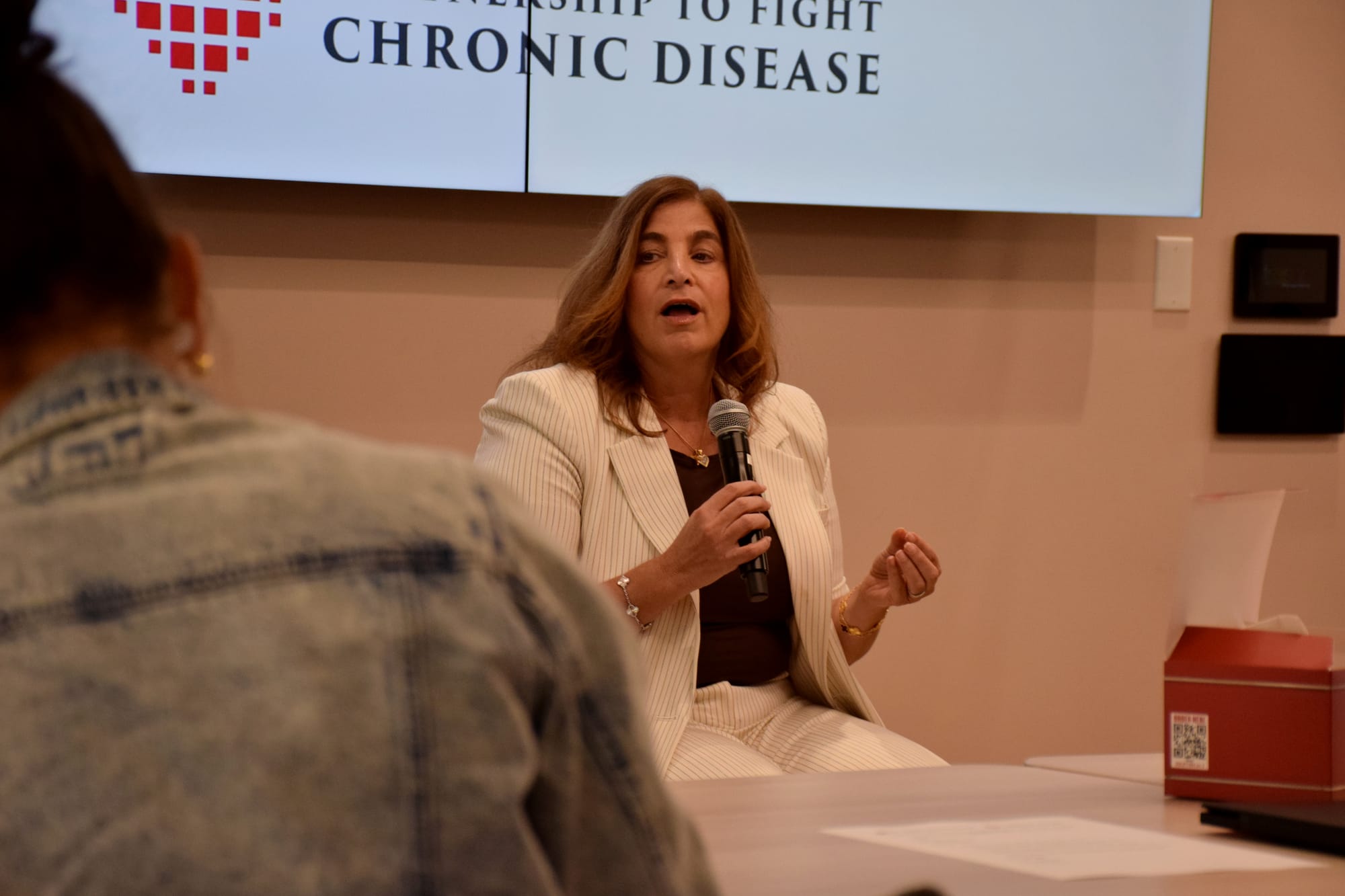
Those hot flashes aren’t just uncomfortable, they also make the heart work harder, which can negatively impact people with hypertension and diabetes, said panelist Dr. Latisa S. Carson, an OB-GYN who grew up in Southeast San Diego. She is the CEO of Unique Healthcare for Women and the Uniquely Fit Medical Weight Loss & Wellness Center.
“A lot of women don't really understand that they're having a hot flash,” she said. “You just get this heat from inside that comes all the way up or all the way down, and actually with it can come panic attacks, anxiety and [heart] palpitations.”
But disparities in women’s health extend beyond who experiences symptoms and how severely.
Advocates have long pushed for more awareness and public policies to support women through their menopause journeys.
Gov. Gavin Newsom twice vetoed legislation crafted to improve access to menopause care in California, Capital & Main reported, but earlier this year, he proposed his own $3 million effort. If enacted, Newsom’s plan would improve prescription drug coverage to treat symptoms, require insurance plans to screen patients for menopause starting at 40 and offer training incentives for doctors to specialize in treating women during the hormonal shift.
At the nationwide level, Congress held its first ever menopause hearing last week, with legislators calling for a Government Accountability Office report to find out how federal funding currently addresses menopause care, The 19th reported.
 Daylight San Diego
Courtney Christian, deputy vice president of policy and research at the Pharmaceutical Research and Manufacturers of America, said the conditions women experience throughout their lives — including housing, economic conditions, environmental exposures and access to health care — can become biologically embedded through chronic stress.
“Social and environmental conditions are not simply background noise, but they're part and parcel of our health, and they are factors that are more upstream, but connect downstream to our biological processes,” Christian said.
Those cumulative effects are particularly important during menopause, which Christian described as a “biological inflection point” that can affect cardiovascular, metabolic and cognitive health.
As women, politicians and health professionals increasingly talk more openly about menopause, Christian said significant gaps remain in how researchers study women’s health and how health care providers diagnose and treat women. Women remain underrepresented in clinical research overall, women’s health has faced chronic underinvestment and Black women in particular are more likely to experience misdiagnosis or delayed perimenopause diagnoses.
Actress Halle Berry started advocating for women’s health after her doctor mistakenly told her she had herpes instead of perimenopause.
Carson and Binno said one study found that doctors typically didn’t initiate conversations about menopause with their midlife Black patients.
They added that when patients do bring the subject up, their doctors often dismiss their concerns saying they’re “too young,” or they simply hand them a pamphlet. Sometimes, patients receive prescriptions for individual symptoms like beta blockers for heart palpitations or anxiety medication without addressing the underlying hormonal issues.
Instead of having conversations about menopause with medical professionals, Binno said studies show that many Black women rely on family and friends for information about menopause.
Before and after the panel, women in attendance shared their own difficulties with finding supportive doctors to discuss their perimenopause symptoms with.
One told Daylight San Diego she needed to speak with three different doctors before finding one who would discuss hormone replacement therapy with her. Another asked how women can anticipate when they might enter menopause without a family history to guide them, particularly given that Black women are more likely than White women to undergo hysterectomies. Women who have a hysterectomy before menopause may not know when they would have naturally stopped menstruating, leaving them unable to relay that information to their children and grandchildren.
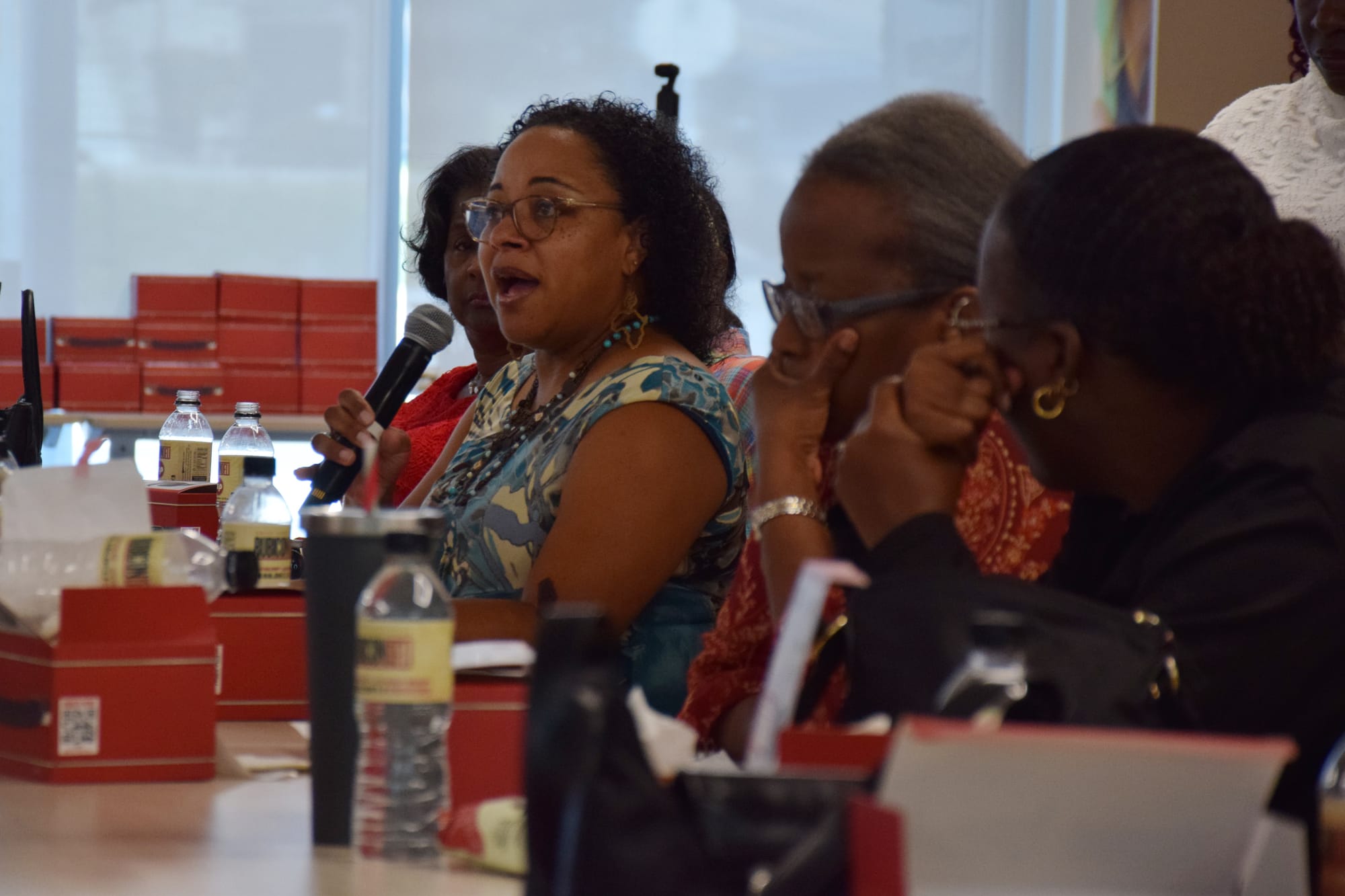
But having in-depth conversations with a doctor — especially one trained in caring for women through perimenopause — is key, Binno said. The Menopause Society has an online tool for finding a certified menopause practitioner. “A skilled person can talk to you, listen to your history and your symptoms, and be able to tell you where you are in your menopause transition and what you need better than any lab,” she said.
The panelists encouraged members of the audience — most of whom were Black women — to take actions to improve their health and self-advocate during conversations with health professionals about interventions that may work for their perimenopause symptoms.
Hormone therapy is the most effective intervention for hot flashes, night sweats and bone protection if timed right, Binno said, ideally before age 60 and within a decade of menopause. But Black women are prescribed hormone replacement therapy at about half the rate of White women.
While hormone replacement therapy is highly effective, it’s not an option for all patients, including some patients with certain types of cancer. Binno said there are alternatives to hormone replacement therapy, including FDA-approved medications that block heat signals in the brain and improve sleep.
Low-dose vaginal estrogen through creams, tablets and rings — which deliver less estrogen than hormone therapy — can treat genitourinary symptoms of menopause, including vaginal dryness and urinary urgency, according to the American College of Obstetricians & Gynecologists. Research shows that vaginal estrogen can also reduce the risk of recurrent urinary tract infections, leading to “lower odds of sepsis, hospitalization, and death.”
“If you are somebody that gets a lot of bladder infections, that's huge to be able to use vaginal estrogen because it does decrease that,” Binno said. “It kind of makes that area less short, less tight, less dry and then the bacteria doesn't have as easy of a route into the urethra and into the bladder.”
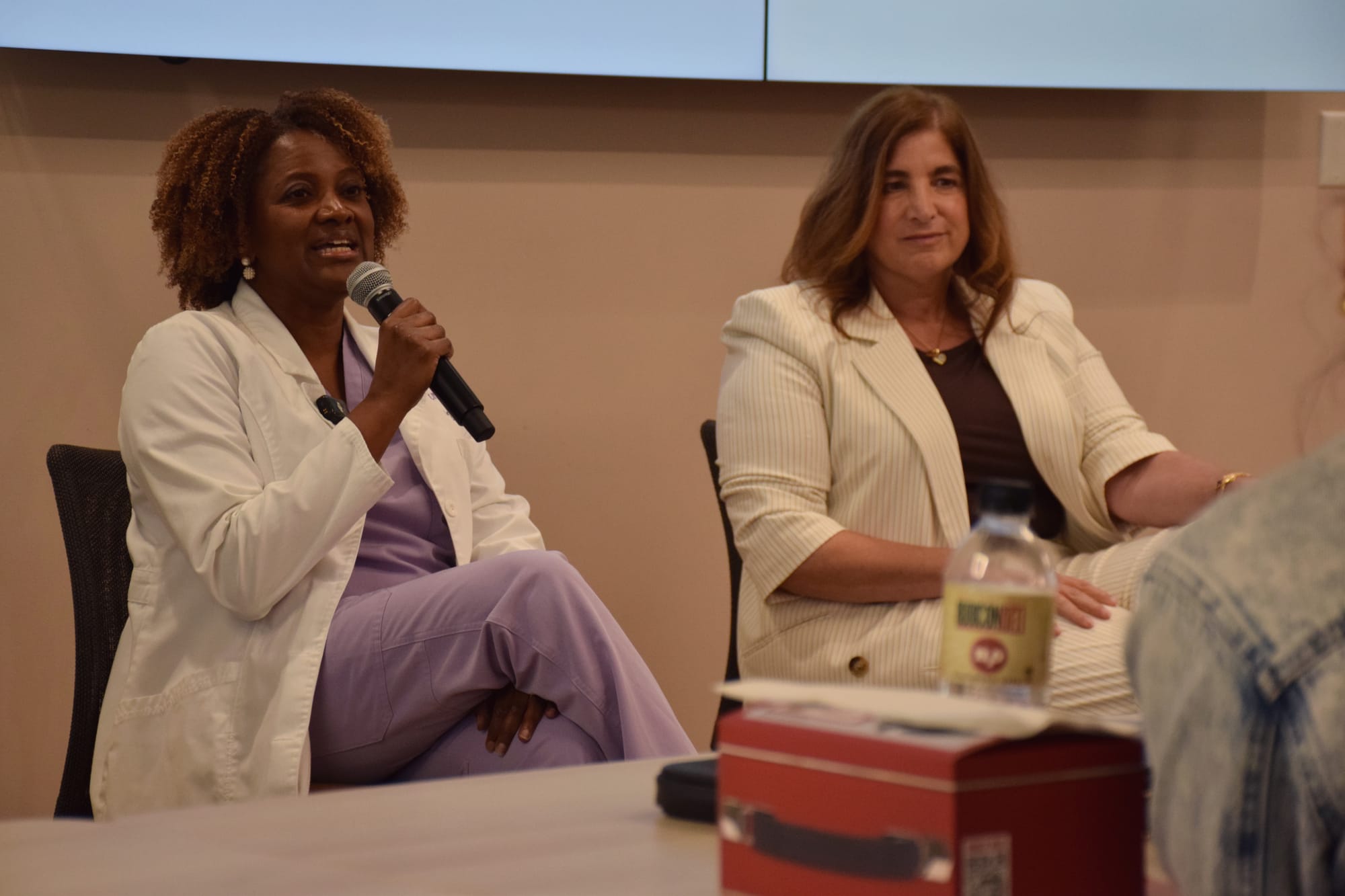
When women reach 40, Carson said it’s time to start getting annual mammograms, followed by regular colonoscopies starting at 45. She and Binno advised women to find a doctor or gynecologist they trust in their 40s, and to focus on strength training, protecting sleep and tracking cycle changes, including hot flashes and mood fluctuations.
“If you get your muscle mass [up], maintain your bone health, all of these things early, we're talking about prevention,” Carson said. “It's always easier to prevent something than it is to treat or reverse a disease.”
Once women reach their 50s, they said it’s time to review heart health and regularly screen cholesterol levels. Depending on other risk factors, women may also need a bone density scan before the typically recommended age of 65. Carson and Binno also advised speaking up about symptoms, including vaginal dryness.
“Don’t suffer in silence,” Binno said. “There are people who are willing to take care of you.”