ACLU and PANA sue to end Flock surveillance in San Diego

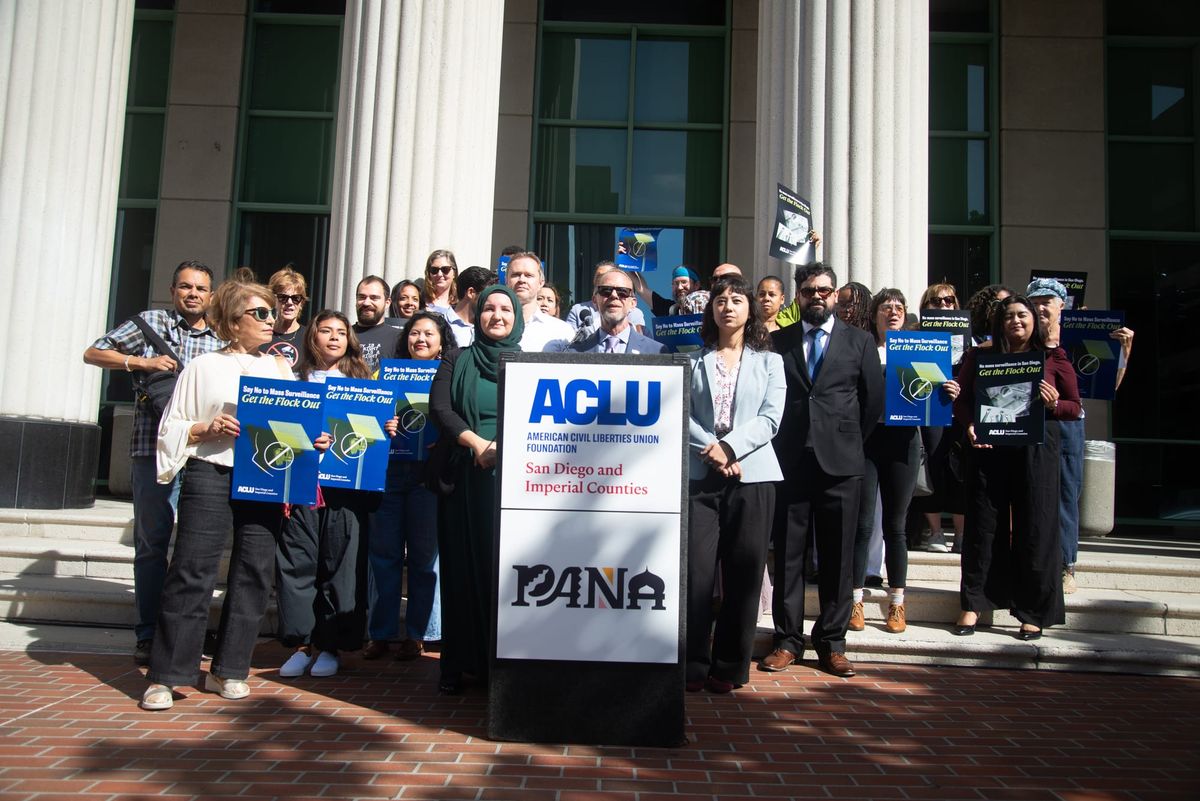
The American Civil Liberties Union of San Diego and Imperial Counties and the Partnership for the Advancement of New Americans are asking a state judge to force an end to the city's automated license plate reader contracts and removal of the cameras.
Written by Kate Morrissey, Edited by Lauren J. Mapp
As momentum builds around the country against automated license plate readers, lawyers in San Diego have sued to block Flock cameras in the city.
The lawsuit, filed by the American Civil Liberties Union of San Diego and Imperial Counties on behalf of the Partnership for the Advancement of New Americans in state court on Tuesday, seeks to have a judge find that the license plate readers violate the California Constitution and block the city from using them or spending taxpayer money on them.
“In America's finest city, we want to have not America's biggest surveillance state, but America's finest protection of our residents,” said Frederick Carroll, legal director with the American Civil Liberties Union. “And that does not happen with that surveillance.”

The lawsuit names the city, Mayor Todd Gloria and San Diego Police Chief Scott Wahl. Both the mayor's office and the police department declined to comment, citing the pending litigation.
Carroll said lawyers in other parts of the country have also filed suits to block automated license plate readers in their cities. He said the Northern California branch of the American Civil Liberties Union sued over the issue in San Jose. That case is still pending.
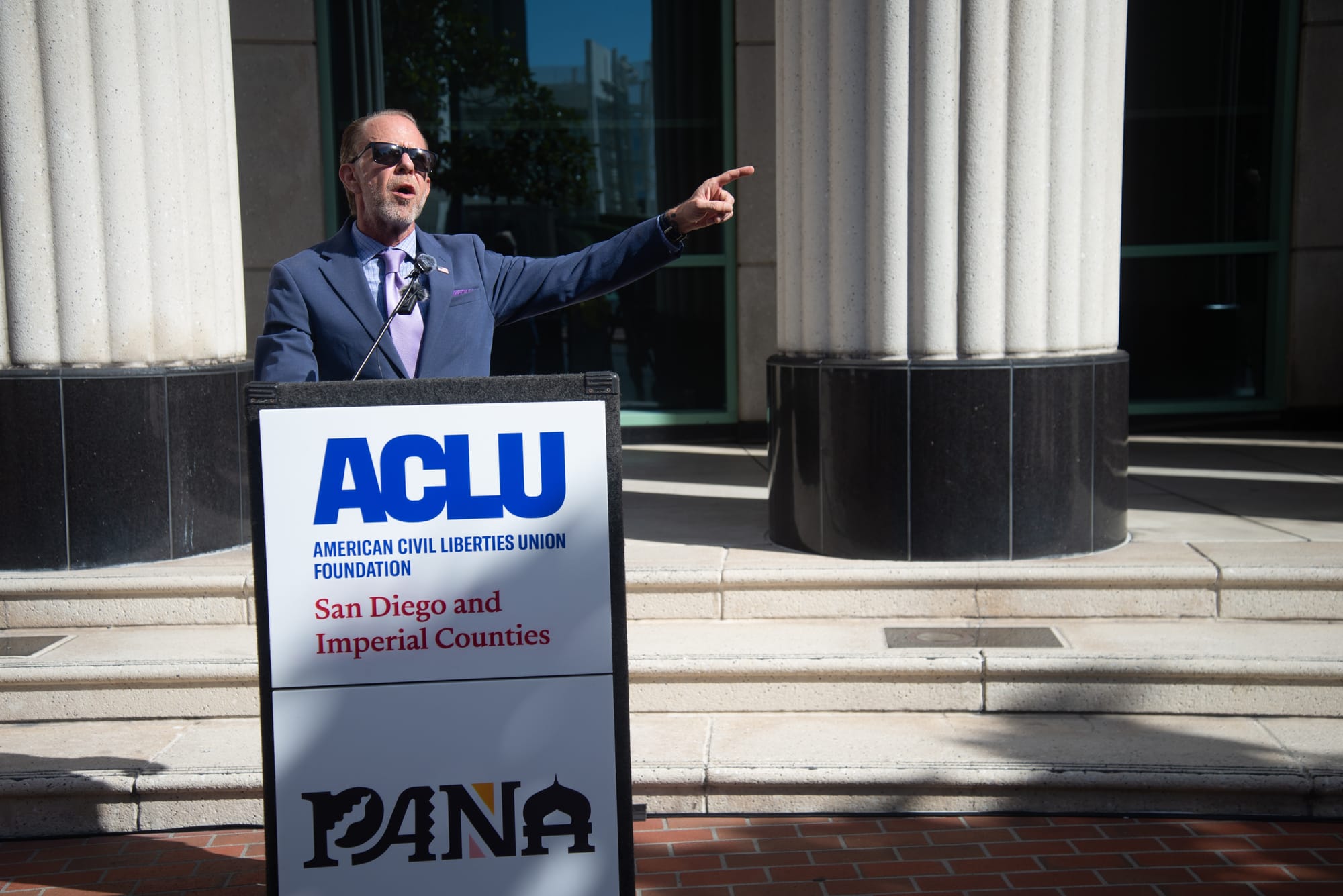
He said the requests that the lawsuit makes to remedy the issue in the San Diego case are unique among the lawsuits he's aware of. Instead of seeking compensation for individual people harmed by the surveillance — such as someone wrongfully arrested because the system told police that the person was at the scene of a crime when they were not, which happened in San Diego already — the lawsuit calls for a judicial order ending use of the cameras on state constitutional grounds.
“Cancel the contract. Pull down the cameras,” Carroll said. “Delete the data. Restore our privacy.”
The cameras don't just record license plates, Carroll said. They record everything within their line of sight. That includes children's faces passing by them on the way to school, the hats and tattoos of drivers with their windows down and even bumper stickers, he said.
“That data goes into a database that is then searchable by human beings, police officers and artificial intelligence to create an entire mosaic of a person's existence,” Carroll said. “Whether you go to the beach, to a house of worship, to the mountains, to someplace with your kids, to a meeting, you are being tracked in San Diego by these cameras that can then recreate all of your movements so that people can come and look at it.”
Article 1 of the California Constitution includes a right to privacy.
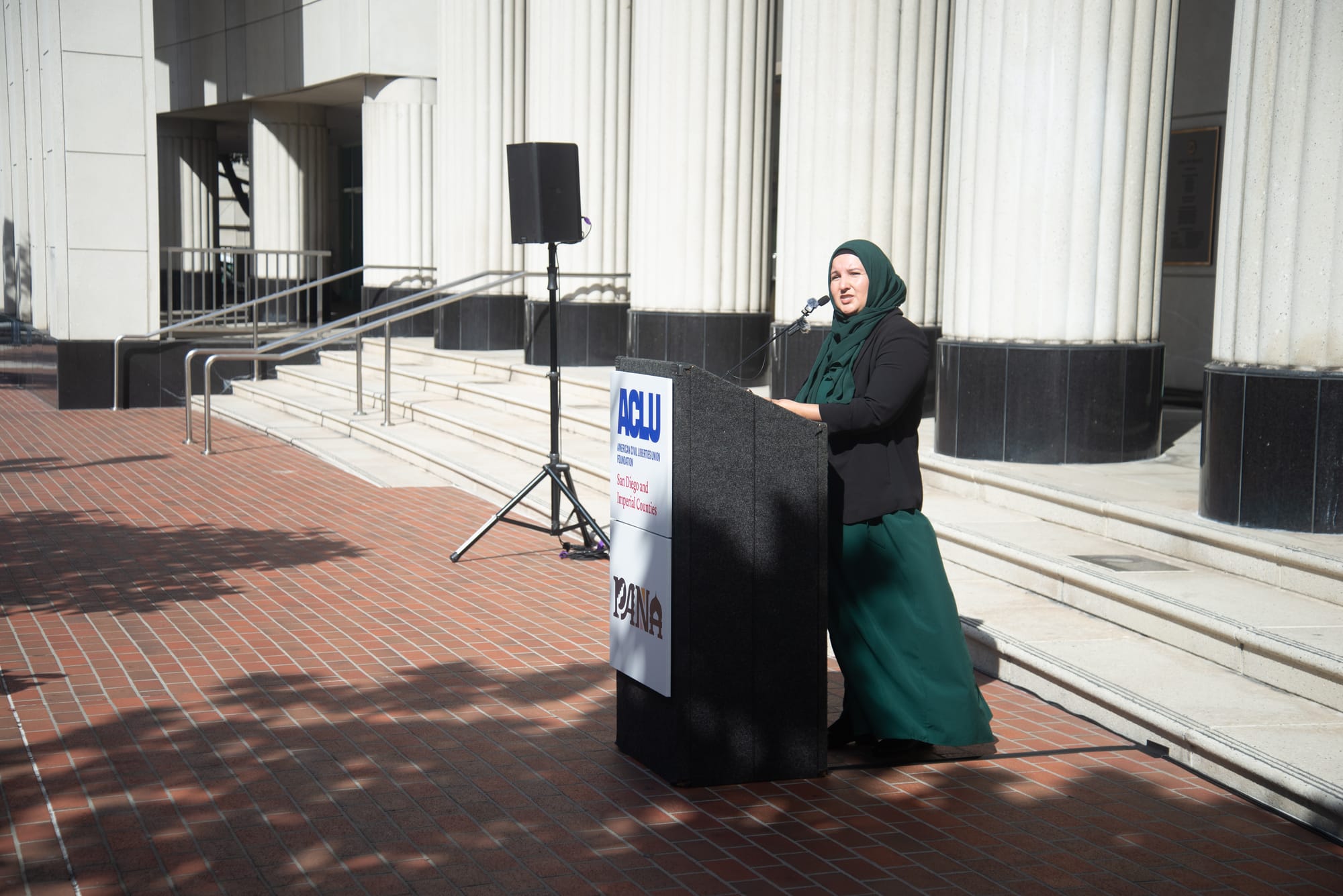
Homayra Yusufi with the Partnership for the Advancement of New Americans said that many of the immigrants and refugees that her organization works with are scared to leave their homes because they know law enforcement has access to this level of surveillance.
Yusufi pointed to instances around the country when law enforcement have used surveillance technology to track people seeking reproductive care, protesters and people who attended a Pride parade.
“These vulnerable communities might be in the crosshairs right now, but we are all at risk of becoming the next disfavored group,” Yusufi said.
She said that while law enforcement has used the technology to target these groups, it has also failed to protect vulnerable people from violent attacks, including when two White supremacist teens opened fire at the Islamic Center of San Diego in May, killing three men who tried to protect the mosque and school.
“When you compile the fact that these are ineffective technologies and who they are surveilling and targeting, we have to recognize that this technology is being used against us, not for us,” Yusufi said.
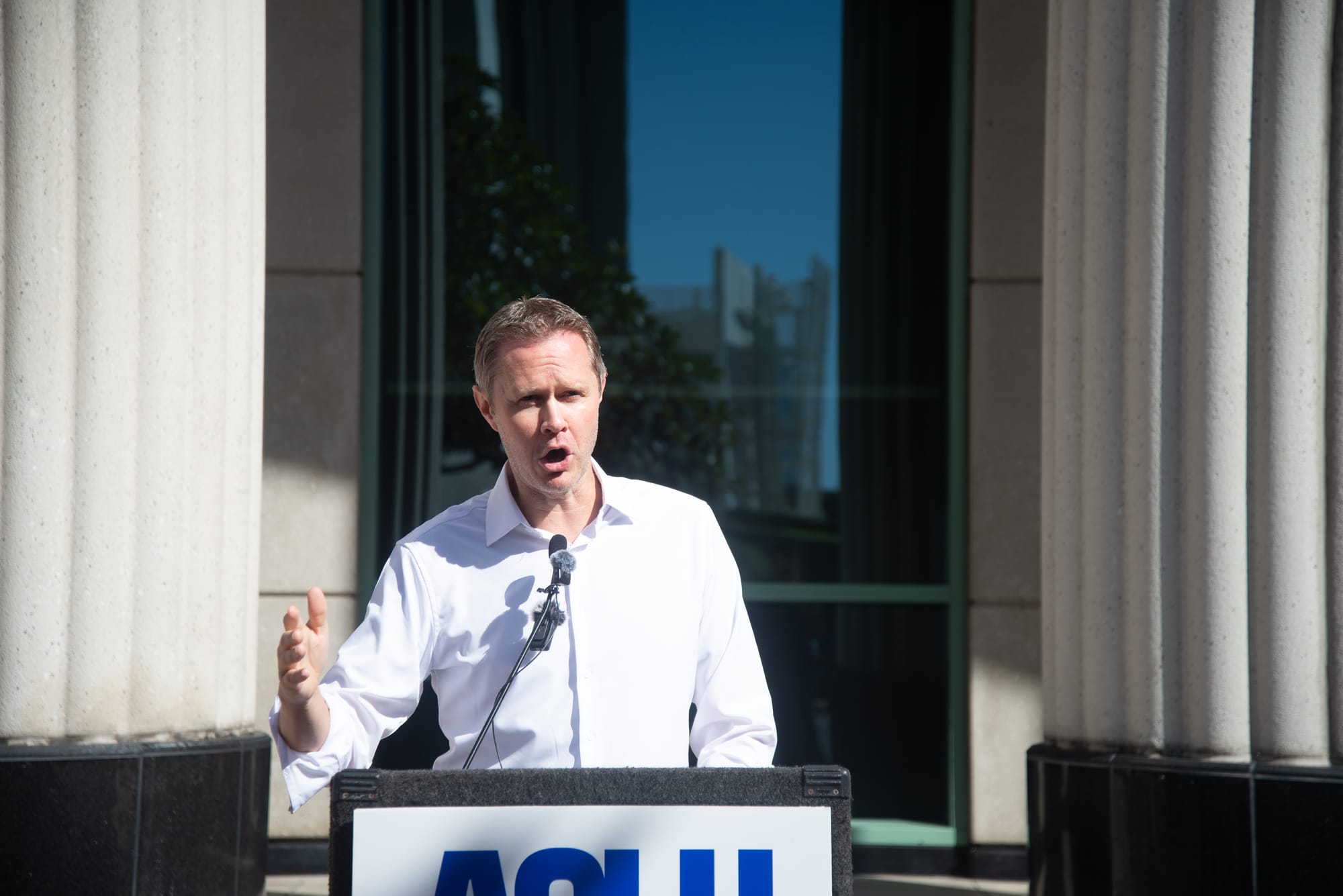
Seth Hall of Trust SD Coalition said that the city has used the technology irresponsibly and without transparency.
“When faced with a crushing amount of debt and lack of funding for our city, our city has decided to shut down critical services for our neighbors like libraries and homeless services, and have withheld funding for things like safety for our disabled neighbors on sidewalks in favor of maintaining this mass surveillance technology,” Hall said.
While the city cut hours to libraries and reduced other public services, it maintained the $2 million in its budget for the license plate readers in fiscal 2027.
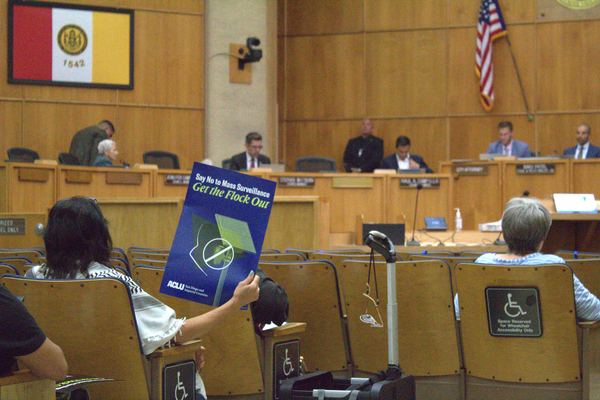
According to Yusufi, the city is late in releasing its next report concerning automated license plate reader use. She said the groups will be calling on community members to join them at city hall when the report does come out to once again protest the surveillance.

“If we can mount enough pressure, and there is enough of us day in and day out saying that we don't want this, we hope that we can win,” Yusufi said.
Both Yusufi and Carroll emphasized that the lawsuit is one facet of the organizations’ strategy to get rid of the surveillance devices.
Carroll said no amount of safeguards could protect people sufficiently from the technology.
“This is the kind of technology that is dangerous in any hands, and we know the hands that it's in — law enforcement these days are not particularly keen on protecting our communities,” Carroll said. “This is technology that is unsafe when it's used correctly and even worse when it's used incorrectly.”