Meet the woman bringing diverse Mental Health First Aid training to San Diego

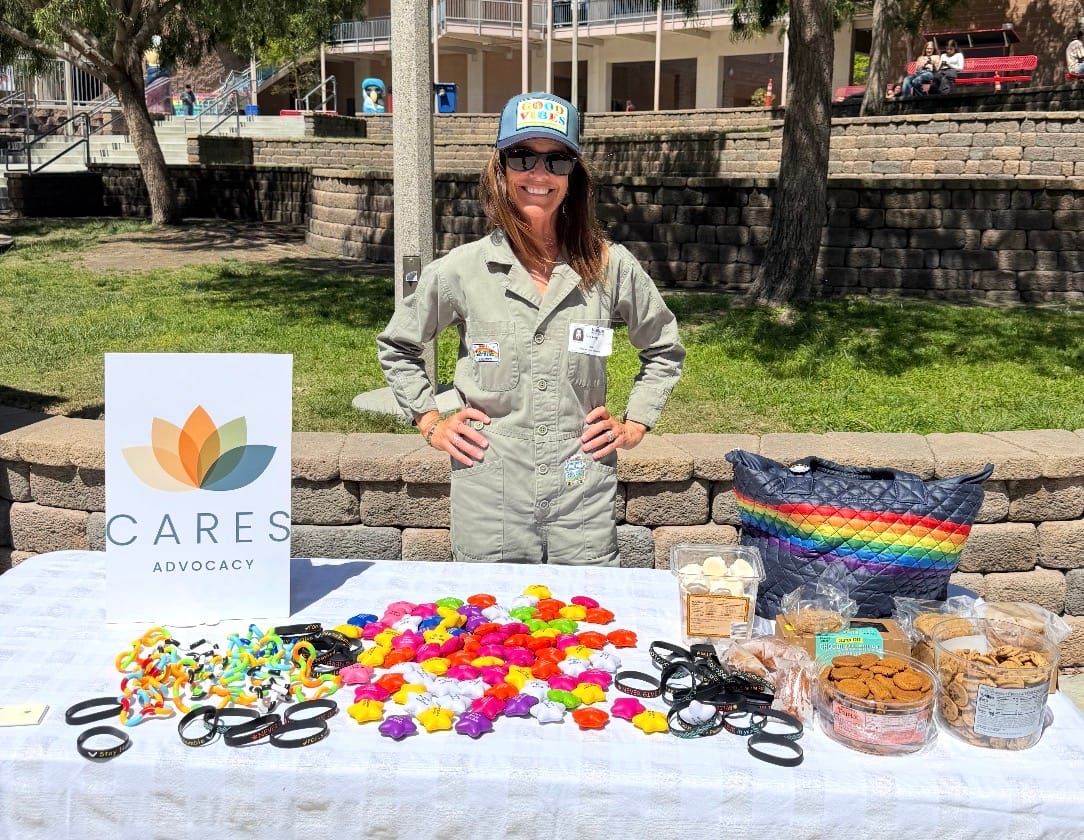
With help from community activists and mental health practitioners, Erin Langs works to fill curriculum gaps relating to identity.
Written by Sam Barney-Gibbs, Edited by Kate Morrissey
Author’s Note: This story includes mention of mental health crises and suicidal ideation. If you or someone you know is struggling, contact 1-888-724-7240 (San Diego Access & Crisis Line), 1-800-843-5200 (California Youth Crisis Line) or call or text 988 (Suicide & Crisis Line).
A close friend who is typically high energy and academically engaged suddenly talks much less and skips classes. How would you approach them to check in?
Your coworker stops packing their daily lunch and has been making more comments about the difficulties of living alone. What can you say to ensure their safety?
A young adult you pass on the street is crying and has visible signs of self-inflicted harm. Should you engage with them, and if so, how?
These are just some scenarios instructor Erin Langs might give to a classroom of students, office of coworkers or community members enrolled in her Mental Health First Aid course. In it, she covers the significance of mental health in a more serious or crisis-centered context and teaches skills including observing behavior changes, active listening and connecting people to professional support, but she stops short of diagnosis or treatment.
“We take first aid classes and CPR classes for physical challenges or physical emergencies, but our mental health and our emotional health is just as important,” Langs said.
Beyond having studied psychology with an emphasis on autism, Langs has also experienced firsthand as a neurodivergent person and stage IV cancer survivor how Mental Health First Aid can save lives. She and her sons navigated depression, self harm and suicidal ideation at different times and with various triggers — Langs said her training helps her identify when to support them as a mom or as what she calls a “first-aider.”
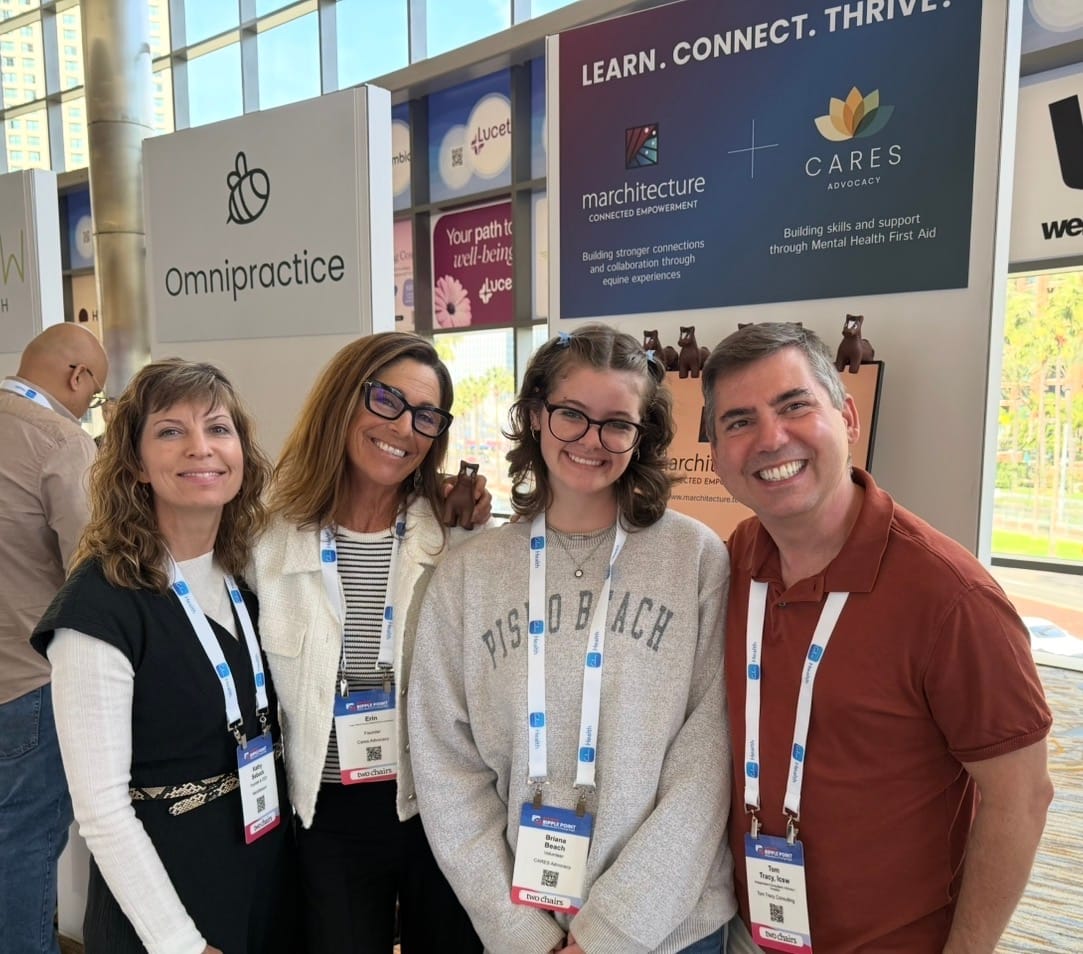
Though she used to work with the National Council for Mental Wellbeing, which certifies instructors to teach Mental Health First Aid courses, following curriculum changes, she founded her own organization to include identity-specific information that the national group cut after the reelection of President Donald Trump.
Expanding mental health education
Langs became certified through the council in 2023, and she taught throughout San Diego using the organization's curriculum — at the time inclusive to many identity backgrounds.
Last year, she taught a course with the national council’s old curriculum to a select group of high school students, known as Peer Assistance Listeners, learning to combat mental health struggles at Canyon Crest Academy. There, she connected with student Bree Beach.
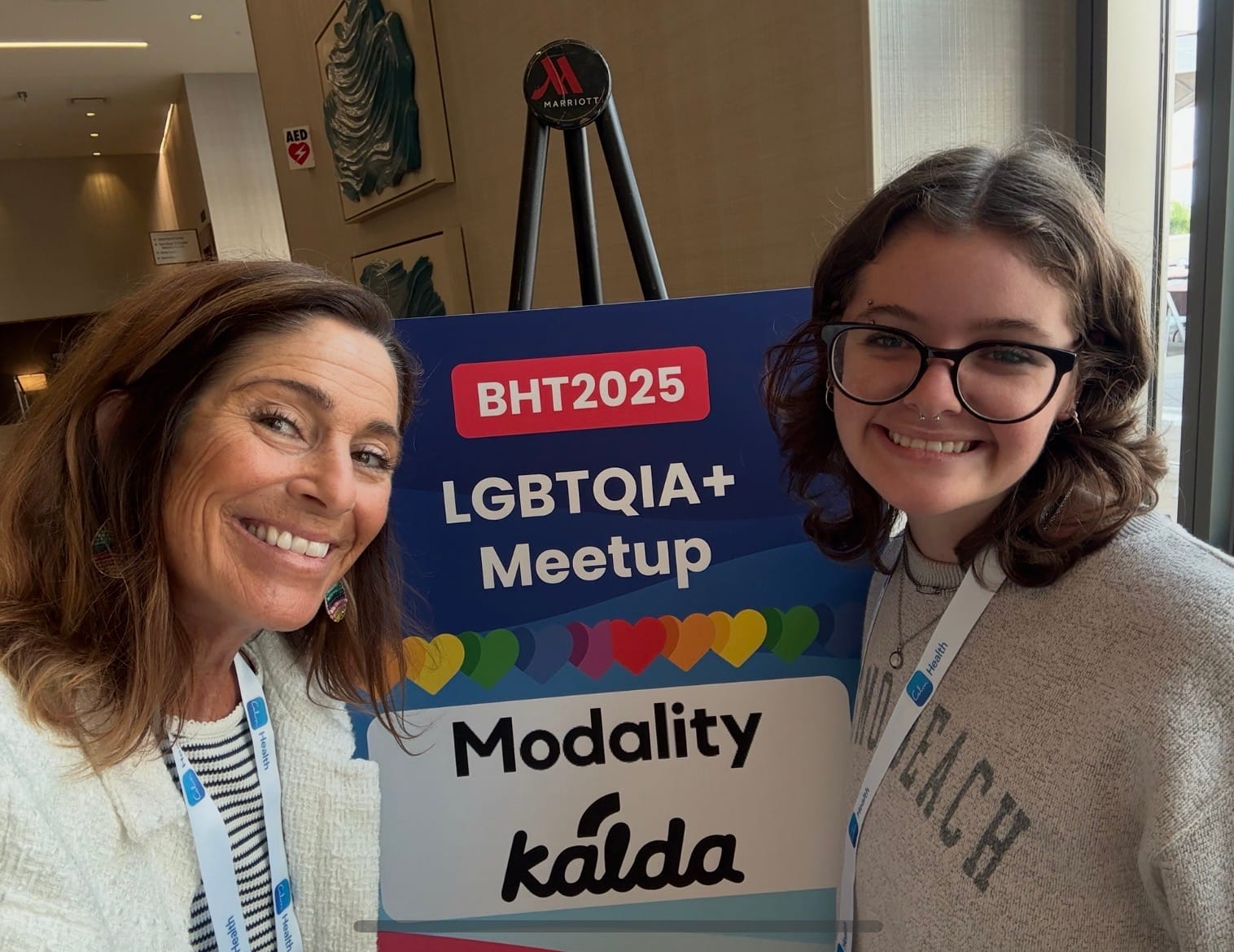
Langs and Beach later organized a mental health panel and attended a behavioral health conference.
Beach said mental health journeys are difficult to share with others, but experienced by everyone, so discussing those experiences helps break the stigma early in life.
“Being super honest and vulnerable is how you get people to also open up and feel comfortable being honest and getting help,” Beach said.
In 2021, California Gov. Gavin Newsom signed into law Senate Bill No. 224, which required mental health curricula to offer options relevant to students of all identities by the start of 2024.
“No one's enforcing it,” Langs said. “It's not being monitored and implemented, and there's no accountability.”
The National Center for Youth Law created an issue brief in 2024, which found the law pushed curricula in crucial first steps. However, the center recommended expanding mental health education through dedicating funding for curricula and educators, creating a virtual database of education materials, establishing partnerships between schools and mental health-focused organizations and asking for and implementing student feedback.
A broken curriculum
On Nov. 6, 2024, the day after the presidential election, Langs was still performing Mental Health First Aid trainings using the council's curriculum.
But, she said, she had a feeling Donald Trump would soon claim a second term. She pulled up and saved a video from the curriculum that included testimonials by a transgender student named Novak.
“Just in case,” she told herself.
About six months after Langs saved Novak’s video, the council removed it.
In May 2025, the council implemented a new curriculum that no longer included specific accounts of youth facing mental health struggles related to neurodivergence, LGBTQ+ identities or substance abuse.
At the time, Langs was teaching the course to two classrooms. The teachers requested she finish the course as she thought it should be done. So, she searched her computer and found Novak’s video file to complete the class.
Since then, Langs hasn’t taught a course through the national council.
She founded CARES Advocacy, a San Diego-based consulting company, to fill the gaps left by the curriculum changes and take into account how different identities shape mental health experiences. She hopes to shed what she saw as the council's stifling constraints, from confusing acronyms used in lesson plans to rigid class schedules that burned students out and an unalterable curriculum that she said left no room for personal storytelling.
“The last straw was that there were just too many missing people and missing issues,” Langs said.
The National Council for Mental Wellbeing did not respond to a request for comment.
Having dealt with suicidal ideation and attempts by both her sons, Langs said she feels sharing relevant personal details helps increase the empathy and feeling of safety in the room, but the council's curriculum didn't allow for that.
“I think it’s really throwing away something of value,” Langs said.
As Beach prepares for undergraduate studies in social sciences and health, she said she is shocked that the national council removed important voices from its curriculum. She shared her history of depression, anxiety, an eating disorder and personality disorder with Langs to help shape Langs' new curriculum.
“I got the curriculum that was all inclusive,” Beach said. “‘It was like, ‘Look, these people really care,’ rather than just being one mainstream group.”
Going her own way
Langs focused her own curriculum on identity and adolescence, much like the council’s former curriculum, because she gives many of her trainings at schools in San Diego.
Her sessions open with social agreements that include mutual respect and privacy, move through presentations and discussion and close with a check-in survey.
With her own curriculum, Langs is free to add sections on topics individual schools and organizations deem necessary, including the Urban Discovery Academy's request for education on drug abuse.
The national council requires a quorum of teachers or administrators to participate, which led to funding issues and fewer classes being taught, Langs said, so she doesn’t require that.
Though she believes everyone who works in school settings should receive Mental Health First Aid training, she said she understands that isn’t an easy feat.
Langs sees herself coming from a hyperlocal perspective, working with schools and organizations mostly in central and northern San Diego County, but she said state and national legislation need to support — and fund — the work.
From tabling events and networking meetings to conferences and teachings at community centers and schools, she personally finances and runs her startup company, with some support from other community champions.

Aly Vredenburgh, a mental health activist and founder of nonprofit WeBelong Institute, said she sees Langs as one of very few people in San Diego who cares about mental health as deeply and personally as she did.
“Mental health curriculum should just be a no brainer,” Vredenburgh said.
Tara Shuman, a child and adolescent psychologist and board member for a wellness organization at Scripps Ranch High School called FALCONnections, often acts as an on-call mental health professional during and after Langs’ trainings.
A few months ago in Scripps Ranch, Langs conducted three sessions of Mental Health First Aid classes with high-school teens, a population Shuman says is dealing with a mental health “epidemic,” especially since the start of the COVID-19 pandemic.
“There's so much unnoticed suffering,” Shuman said. “So much goes unidentified, a lot of self harm that, you know, sometimes then tips over into thoughts about wanting to end their life.”
Shuman said Mental Health First Aid stands out by focusing on everyday people rather than the adult professionals and paraprofessionals most mainstream programs target.
More specifically, she praised Langs’ intentional mode of teaching — including giving students needed breaks between courses, and personally crafting post-session questionnaires to check in on students — that she said sets Langs apart from larger organizations offering similar training.
“It isn't like a classroom didactic lesson,” Shuman said. “It's really experiential and applied and individualized.”
Shuman’s teenage son received the training, and she said his opening up and sharing struggles with classmates allowed him to be more observant and available to his peers. He has even reached out to some kids who posted concerning messages on social media, offering open ears and a bridge to professional support.
Langs said she was blown away by the vulnerability his class showed.
“When the participation happens is really when it's most powerful,” she said. “It really allows everybody to sit in it.”