One month after deadly attack, San Diego Muslim community looks toward healing and recovery

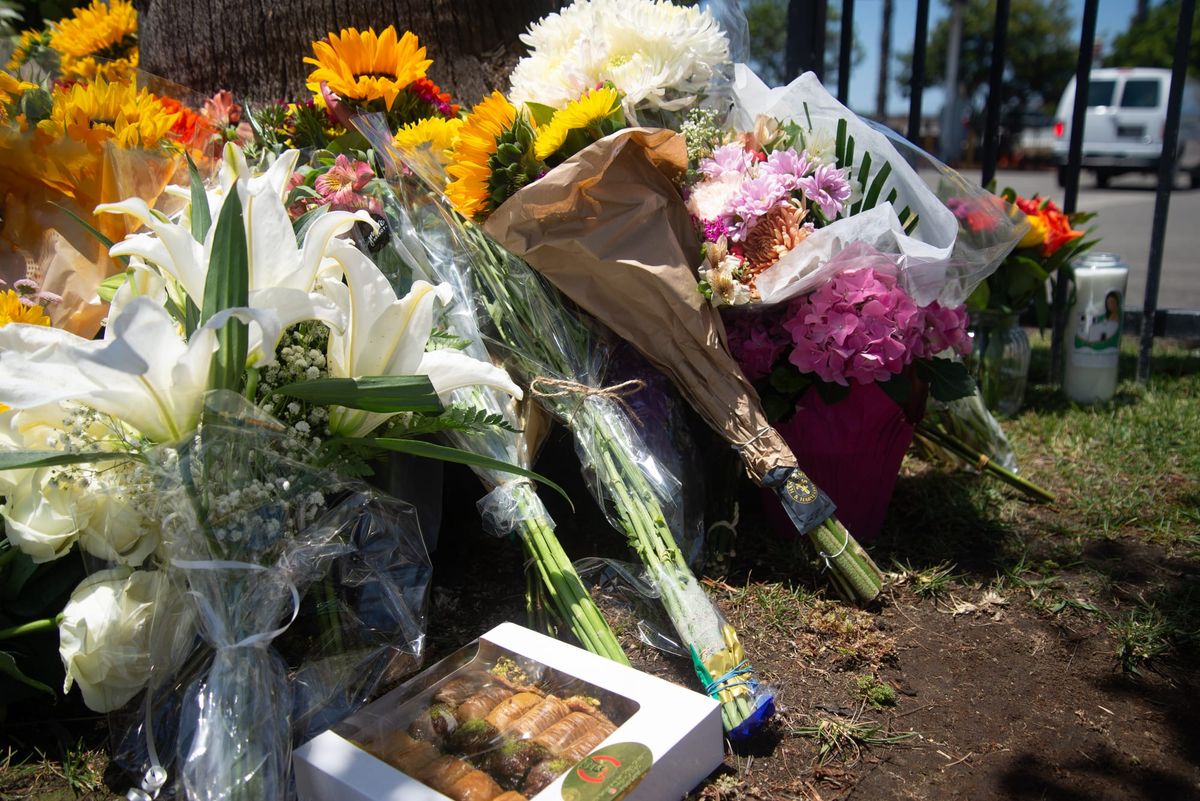
About a month after two teenagers fatally shot three Muslims at the Islamic Center of San Diego, leaders there are teaching the community about what recovery can look like through activism, mental health and resilience.
Written by Rami Alarian, Edited by Kate Morrissey
The Islamic Center of San Diego gathered Muslim community members, scholars and activists recently in Clairemont to talk about what recovery looks like one month after a domestic terrorist attack there.
The Council on American-Islamic Relations of San Diego partnered with the center on June 13 to host Building Resilient Communities: Safety, Strength & Activism, a community conversation event where speakers shared tips on combatting Muslim hate, educating and supporting youth and addressing mental health concerns.
“These attacks intended to silence us, but we spoke up,” Imam Taha Hassane said. “They intended to isolate us, but we have seen our partners and our allies coming together to empower this community.”
After Maghrib, the sunset prayer, a few dozen people entered the conference room from the center's prayer room, where rows of chairs waited for them.
The crowd, a mix of young adults and older attendees, settled into their seats quietly and applauded the imam's opening remarks. Then a panel of three women, among them an education consultant, an activist and a community organizer, shared advice for how the community could move forward.
Lallia Allali, a leadership and educational consultant, told the event attendees that resilience is about moving forward from tragedy and requires compassion, support and unity.
“It means finding the strength to support one another, honor the memories of our martyrs and continue building a community grounded in faith, hope and solidarity,” Allali said.
Allali said growing resilience after trauma is about connecting culturally with one’s community.
“I think we have done that at this Masjid, where we provide cultural and responsive mental health services,” Allali said. “We have to think about long-term, organized support groups.”
The Islamic Center of San Diego has hosted multiple community gatherings, vigils and healing events open to the public since the attack.
Allali said conducting listening sessions provides Muslim leaders with a chance to better assess community needs.
“So that concept of coordination, where we meet and we talk about our concern, our fears, that is very helpful also to become resilient,” Allali said.
Tazheen Nizam, executive director of the Council on American-Islamic Relations San Diego, said community resilience relies on activism and inclusion.
“Our country has a 400 year old history of hatred against people of color,” Nizam said. “This year we will celebrate 250 years of this country. We, as Americans, have to make a promise to each other that the next 250 years will not continue as such.”
Nizam said Muslims must practice solidarity, empowerment and the uplifting of other communities in order to combat hate. She encouraged attendees to challenge elected officials, comfort and teach younger Muslims and report in-person and online hate incidents to her organization.
According to Nizam, the number of Islamophobia reports CAIR has received has increased every year since Oct. 7, 2023, when Hamas led an attack on Israelis before Israel responded by decimating Gaza.
“Words matter, my friends, words hurt,” Nizam said. “This is why reporting even the slightest slur of Islamophobic rhetoric is important for all of us.”
Arwa Al Khawaja, founder of Rihla, a community service organization, said faith can help process trauma in a healthy way.
“Honestly, at least for me personally, it kept my sanity when dealing with these hard situations,” Khawaja said. “It builds strength.”
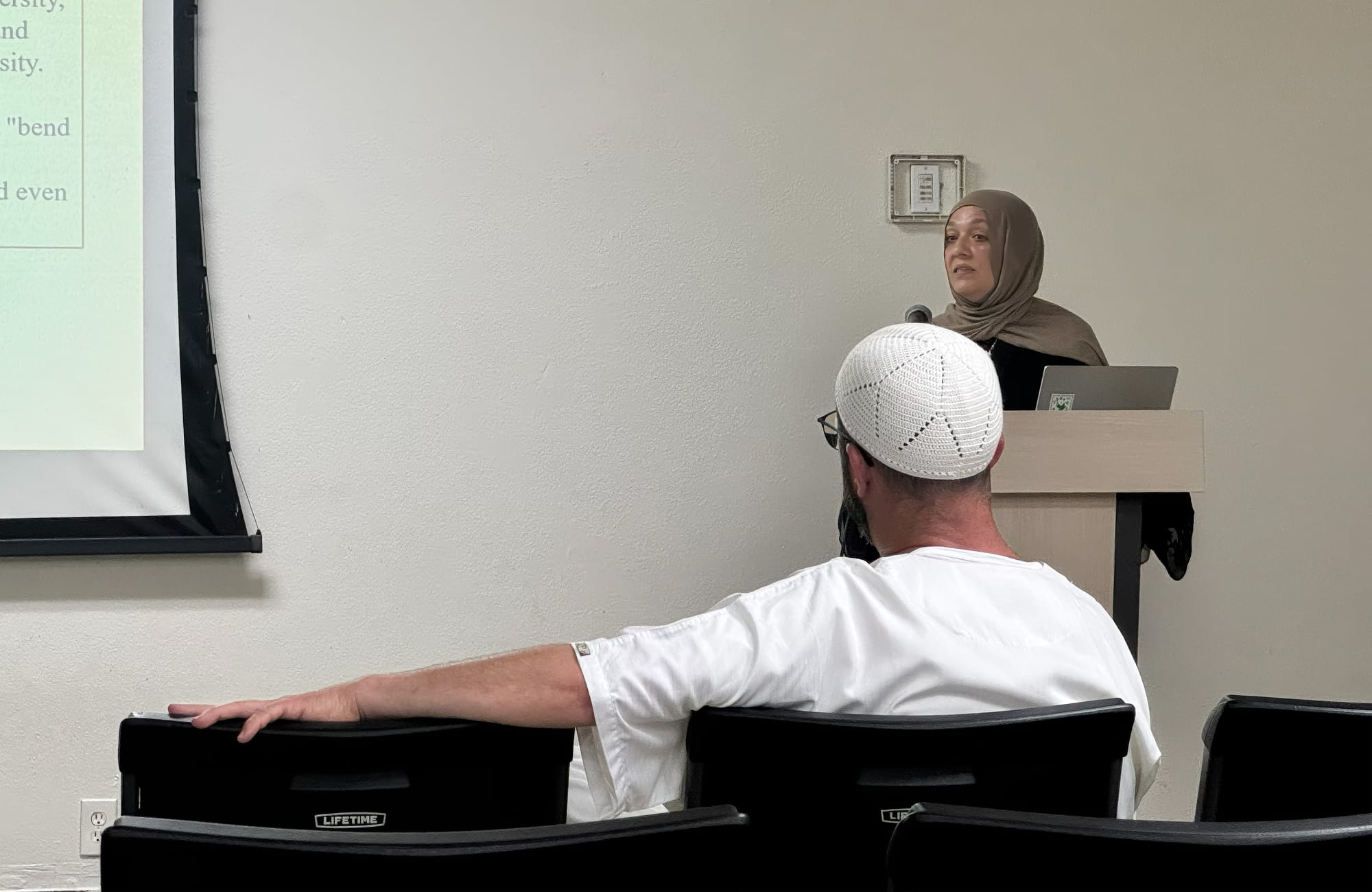
After each panelist shared her prepared presentation, the group took questions from the audience.
When asked what actionable steps attendees should leave the event with, all speakers agreed education and activism were most important. For them, practicing resilience means leaning on one another and offering support for younger Muslims.
“Even if it’s the most minuscule action of speaking to a student and making them feel loved and protected, take that action,” Nizam said.
Inspired by the speakers, Hassane told attendees he would consider committing to trauma-informed training in order to best address community needs.
“Sometimes I think that it’s enough to learn while taking action, you know, just to learn while working, but again, it’s not enough,” Hassane said.
Then he led the crowd in worship.
Omar Abusham, an outreach coordinator of the Council on American-Islamic Relations of San Diego, said the most powerful part of the event was learning about how the community can process pain through supporting one another.
“After something painful happens, we need a place where we can feel supported,” Omar Abusham, an outreach coordinator at the Council on American-Islamic Relations of San Diego, said. “Events like this help the community better understand what resilience means, how we can build it together and how it can help us move through tough moments.”