‘Our youth are not OK right now:’ Experts warn mental health among San Diego’s LGBTQ+ youth is worsening

At least two North County teens died by suicide in May, as advocates say youth are struggling more than usual, especially young transgender and non-binary folks.
Written by Sam Barney-Gibbs, Edited by Lauren J. Mapp
Author’s Note: This story includes recounts of mental health crises and suicidal ideation. If you or someone you know is struggling, contact 1-888-724-7240 (San Diego Access & Crisis Line), 1-800-843-5200 (California Youth Crisis Line) or call or text 988 (Suicide & Crisis Line).
San Diego County LGBTQ+ youth were in dire need of a new kind of mental health support in the early 2000s.
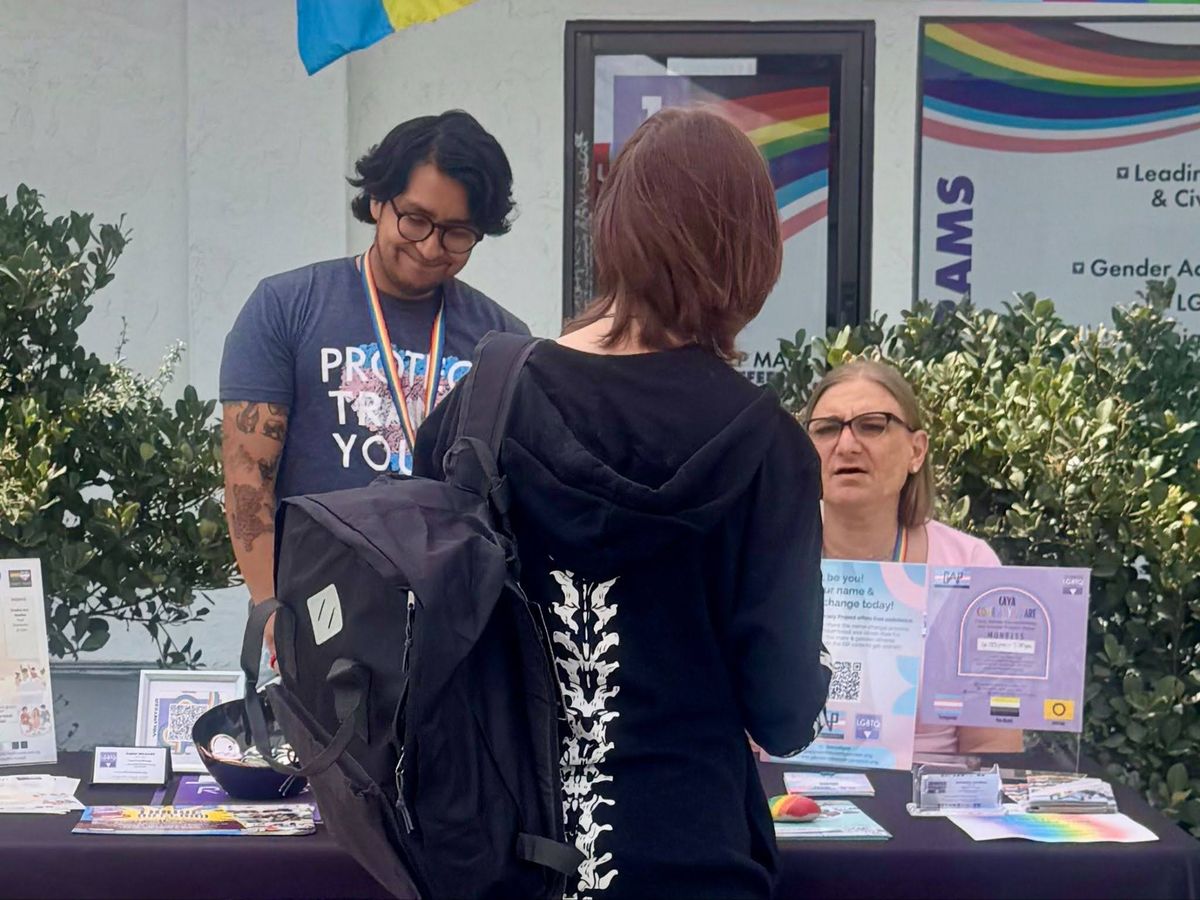
Following a string of suicides by teens in the area, queer community advocates created the North County LGBTQ Resource Center around 2011 as a safe space for youth to express themselves, Project Youth Manager Claire Williams said.
What community leaders saw then is that many LGBTQ+ youth didn’t feel affirmed and loved in a way that prevents them from turning to suicidal ideation, self-harm and suicide attempts.
Lacking support systems continue to impact LGBTQ+ youth mental health today amid political actions aimed at rolling back civil rights. In May, two teens who frequented the center and were in need of further support systems died by suicide, Williams said.
“In the last couple of months, I've seen the rise in some really, really difficult times for our youth,” they said.
In the 2025 U.S. National Survey on the Mental Health of LGBTQ+ Young People, published last month by The Trevor Project, 90% of youth reported feeling stress or anxiety from recent anti-LGBTQ+ laws, policies or debates.
Williams feels strongly that the Trump administration’s continued anti-LGBTQ+ — especially anti-transgender — rhetoric deepens hate and complicates mental health experiences for youth.
Last year, President Donald Trump shut down the 988 Suicide & Crisis Lifeline LGBTQ+ Youth Specialized Service. The Trevor Project’s research found the “press 3” option through 988 was more likely to be used by people aged 13-17, people of color, those who are economically disadvantaged or residents of rural areas. However, The Advocate reported last month that the Department of Health and Human Services said it’s working on a way to bring it back.
Bree Beach, a 19-year-old mental health advocate in San Diego, said maintaining positive mental health has been harder for her since the loss of the LGBTQ+ 988 extension.
“It's something people depend on — something I depended on,” she said.
In the first year without this specialized service, nearly 70% of LGBTQ+ young people using a hotline or crisis service seriously considered suicide, and more than a quarter of this group attempted suicide, according to The Trevor Project. By comparison, a 2024 study by KFF found that in 2024 — a year before the service was removed — only 45% of LGBTQ+ high school students reported having seriously considered suicide, though this takes all individuals into account, not just those using a hotline or crisis service.
Williams said there are also obvious impacts of this widespread messaging and lack of support locally.
In the first four months of this year, 41 kids, teens and young adults joined North County LGBTQ Resource Center programs, Williams said. That includes the center’s four weekly social support groups with options for those of different identities and age-specific groups for people ages 9 to 30. Williams said this is a “significant” increase compared to previous months.
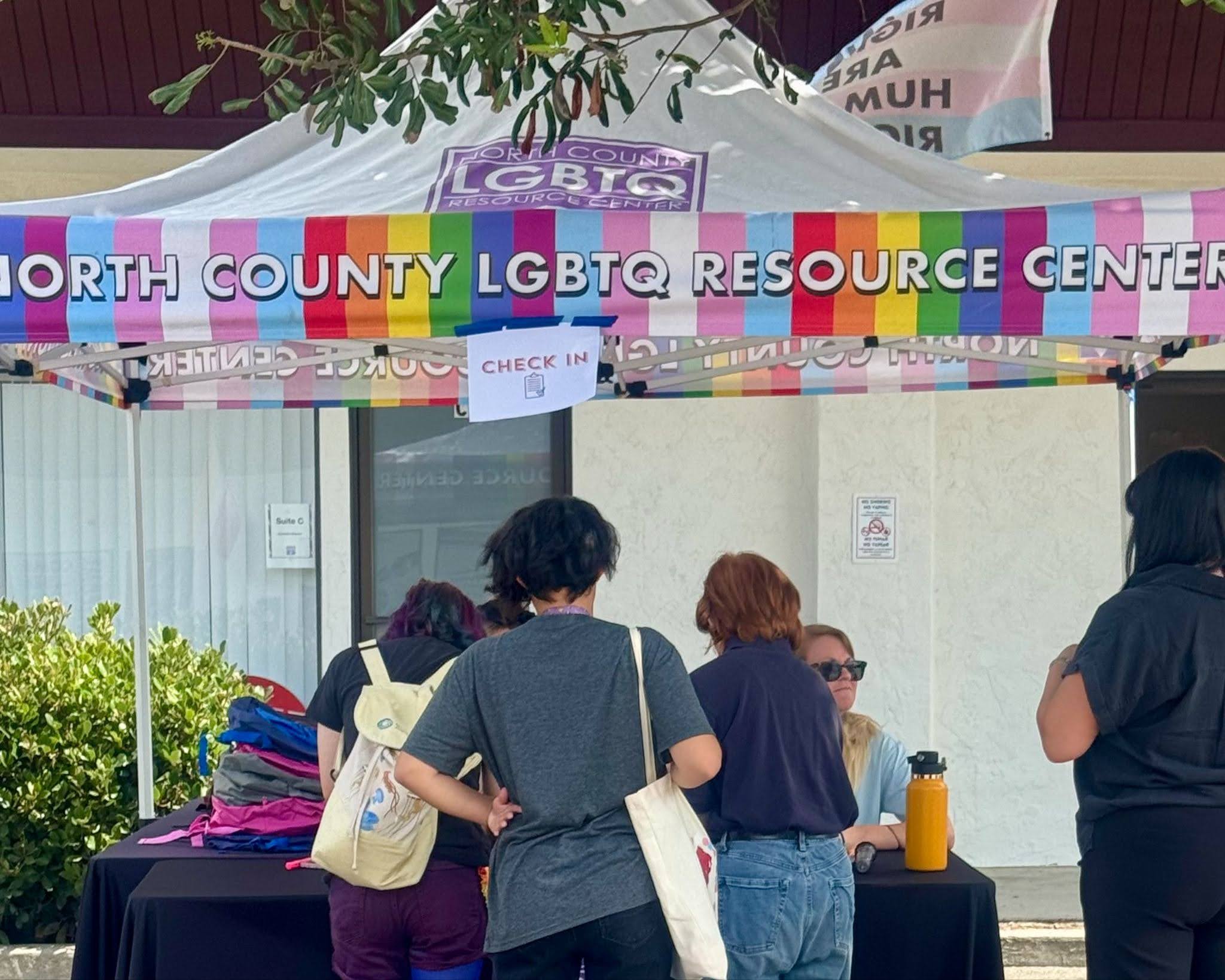
They added that for their safety and privacy, youth participating in the center’s programs would not provide comments on their personal mental health experiences.
“They're often having to explain their identities, or hide it, or decide who to tell,” Williams said. “We aim to create spaces where you don't even have to think about that, and that has shown to be incredibly important for promoting more positive LGBTQ+ youth mental health.”
In addition to the support groups, the center — mostly through Project Youth — provides free talk therapy, art therapy, substance use prevention education, movement exercises, self-help and community-building workshops, and cooking skills lessons.
 Daylight San Diego
These programs help address a gap highlighted by The Trevor Project’s survey, which found that nearly half of LGBTQ+ youth who searched for mental health care weren’t able to access it.
A queer, nonbinary San Diegan who asked to use the pseudonym X said they feel lucky to have long-term support from a queer mental health therapist. They said it feels safer than therapy sessions where they fear a practitioner may hold non-affirming biases.
“I feel like I'm talking to someone that like gets my lived experience,” they said. “It's hard to open up to someone if they don't accept you or think that you have a valid identity.”
X said many of their friends struggle with “therapy shopping,” as they specifically search for queer mental health therapists. They added that they empathize with the difficulties minors face who are in need of queer — or allied and affirming — therapists.
“You gotta have accepting parents to tell them that you need an accepting therapist,” X said. “So if you don't have that at home, then it's hard to get that in therapy too.”
X is optimistic, however, as they have noticed online resources are improving and more queer people are becoming therapists to provide necessary care in private practice, groups and schools.
Aly Vredenburgh, a San Diego-based mental health activist and the founder of the nonprofit We Belong Institute, is campaigning for California to require all schools to staff a licensed mental health provider, which a majority of schools don’t currently have.
She said most people with mental health conditions start showing symptoms by age 14, and that if youth are reached before they’re in a crisis, it can lead to more sustainable outcomes as they transition to adulthood.
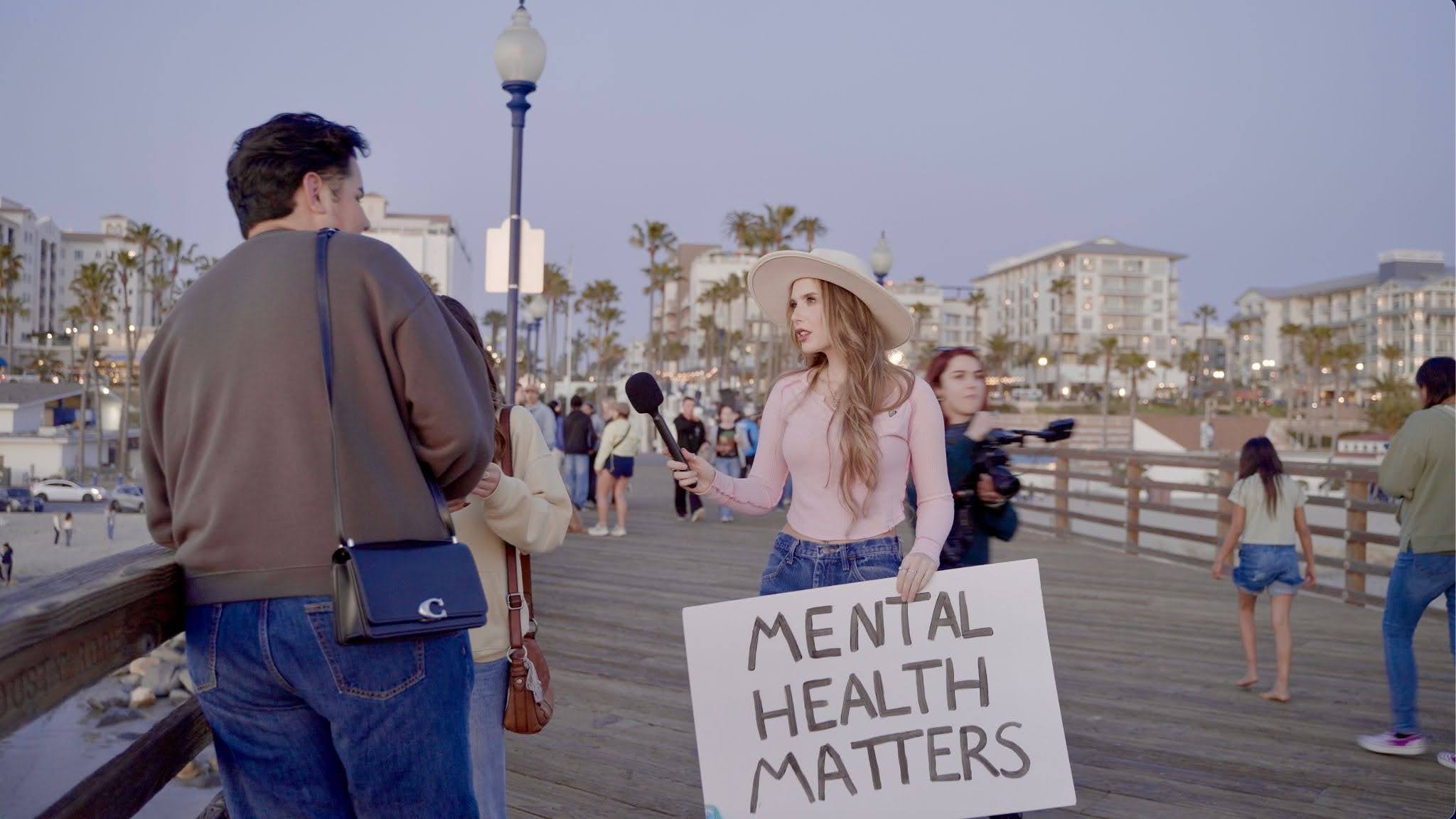
Even with many supportive resources at her disposal when dealing with suicidal thoughts and self-harm as a 14-year-old, Vredenburgh said she has experienced barriers to receiving quality mental health care, and one thought lingered with her.
“If this is bad for me, if I'm unable to get care as someone with privilege, what does this say about all the people who don't have what I had,” Vredenburgh said, referring to her difficulty of accessing care as an adult.
One example is the gender-expansive community — trans, non-binary and other gender queer folks, which makes up roughly 85% of youth receiving services through the North County center. Williams said gender-expansive youth are experiencing heightened anxiety, depression and general difficulty navigating gender-affirming care. These fears are coming up more in recent conversations at the center much more than in prior months, they said.
“One of my trans friends — who previously had access — hasn’t been able to get gender-affirming care, and they’ve had a really hard time with dysphoria,” Beach said.
The North County center also supports LGBTQ+ youth through Unicorn Homes, which provides crisis and transitional housing to Transitional Age Youth — young adults who are 18 or older navigating being unhoused, aging out of the foster care system or at risk of becoming unhoused due to their identity.
Unicorn Homes program manager Oscar Humberto-Gomez said almost every person he’s housed in his first year on the job has been part of the trans or non-binary community.
Vredenburgh consistently advocates for universal basic income and healthcare as part of her fight for youth mental health because research shows that financial stress disrupts family ecosystems, which can lead to unhealthy conditions.
“What I really believe is going to make the biggest impact is prevention: making sure families have their basic needs met, that we're making sure families are not abusing their kids,” Vredenburgh said. “Really having a safe, healthy family unit in combination with safe, healthy systems in general is really what's going to help.”
But a survey of homeless service providers through the Williams Institute at University of California Los Angeles found 68% of the youth they served experienced family rejection.
As Vredenburgh works separately to advocate for increased resources, especially in schools, Humberto-Gomez works with a rotation of unhoused youth mostly in North County.
He manages Unicorn Homes’ nine 100-square-foot residences, and acts as a peer support specialist and often a role model for the young adults.
“I'm honored and privileged to have my position, because for those six months that they're with me, I tell them, ‘You can do whatever the hell you want to do, express yourself, find who you are, find your identity,’” Humberto-Gomez said. “There's a running joke that they call me uncle, they call me Oscar, they can call me whatever, as long as [they] meet with me and complete [their] goals.”
Arguably the most impactful part of his job, he said, is connecting with other local organizations to ensure quality care.
In his routine assessments this year, he found many of the applicants are experiencing suicidal ideation, which requires additional care resources. For this, Humberto-Gomez relies on his community connections.
Having been in what he calls the “helping field” for six years, mainly working in leadership roles for crisis services and prevention, Humberto-Gomez said a key part of his job is contacting his strong network of experts in the field with whom he has mutual trust.
“You'll never get in trouble for working with other organizations, you'll get in trouble for not working with other organizations,” Humberto-Gomez recalled his boss saying to him when he started working for the North County LGBTQ Resource Center.
He refers youth to other organizations like The San Diego LGBT Community Center, YMCA, Urban Street Angels and San Diego Youth Services for specialty care that the center is unable to provide.
 Daylight San Diego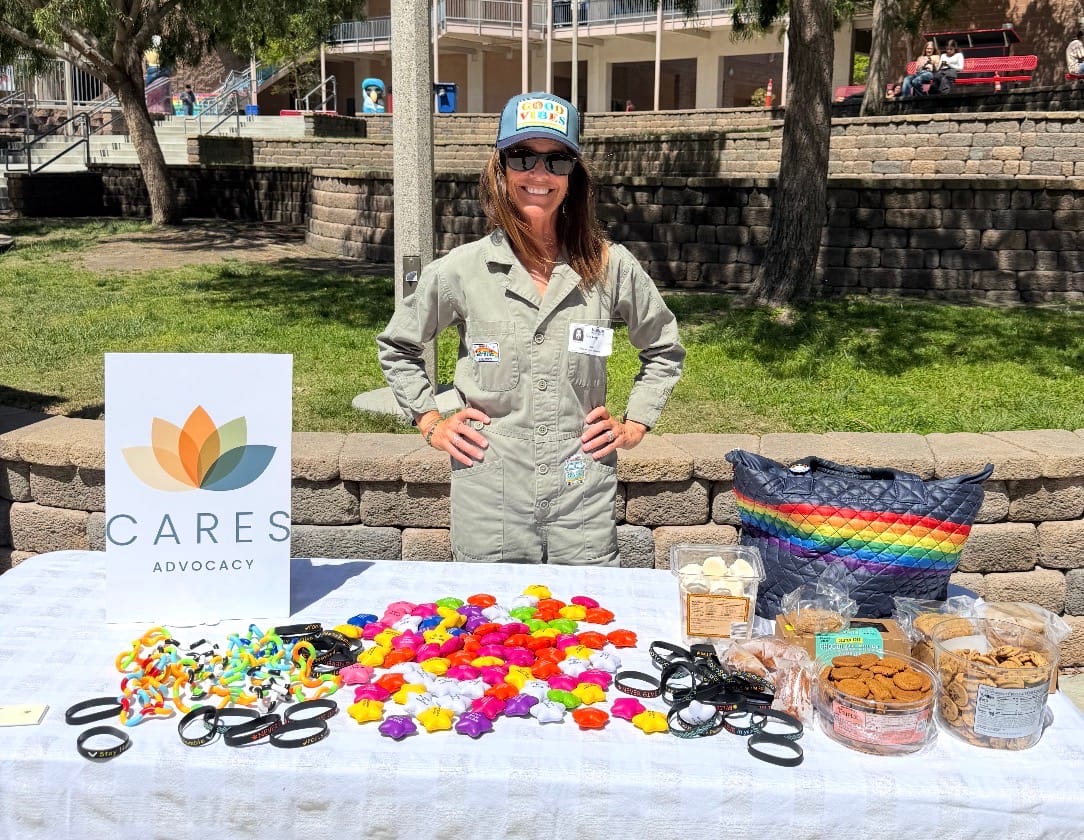
Beach said many places that used to provide safe and comfortable environments are now steering away from outward LGBTQ+ support. She thinks most of it has to do with funding needs from organizations and individuals that are increasingly pulling out of these spaces.
X hopes to see more free and sober spaces for LGBTQ+ youth under 21 in San Diego because they feel that many uplifting places rely on long-lived club and bar culture. More opportunities to mingle and feel connected with like individuals, though, is the bare minimum, they said.
Beach stays home a lot more recently. But, she recognizes not everyone has the ability to live without support from non-affirming guardians. She said having to hide her identity from her loved ones deteriorated her mental health.
“If they don't accept you, then they don't accept you, and you have to hide yourself,” Beach said. “Whereas, as an adult, you can make your own decisions.”
Humberto-Gomez works to give youth more autonomy. He said he has full faith that if Unicorn Homes isn’t the right fit for someone, he can call other case managers. Instead of like-minded organizations focused on developing themselves while stifling local competition, Humberto-Gomez said everyone he’s worked with has the same mindset of helping youth experiencing homelessness, first and foremost.
“It's honestly a beautiful and wonderful thing,” he said. “Everybody puts their ego aside. I've never worked with anybody who said, ‘That’s below my pay grade, or that's above my pay grade.’”
Williams said the center has built a legacy and reputation as a space where kids can have positive mental health outcomes from being a part of their diverse programming. Especially with a recent surge in youth mental health crises the area is seeing, they said they are proud of the outreach the center provides and the support it receives from local parents and therapists.
“Our youth are not OK right now. We can uplift the struggles and share about what's going on,” Williams said. “Our youth are also so resilient and able to find joy amid all the struggles, but that doesn't also mean that there aren’t some really, really intense struggles going on right now.”