Southeast Asian Americans reflect on the end of the Vietnam War

Community members discussed the misunderstood past and hopeful future of the war’s long-lasting impacts during an event commemorating its 51st anniversary.
Written by Sam Barney-Gibbs, Edited by Lauren J. Mapp
“Ăn quả nhớ kẻ trồng cây…When eating fruit, remember who planted the tree,” Mimi Phùng said to dozens of San Diegans eager to listen to and connect with San Diego’s Southeast Asian communities.
She shared that the Vietnamese proverb is a reminder to appreciate what elders sacrificed for the things the community enjoys today.
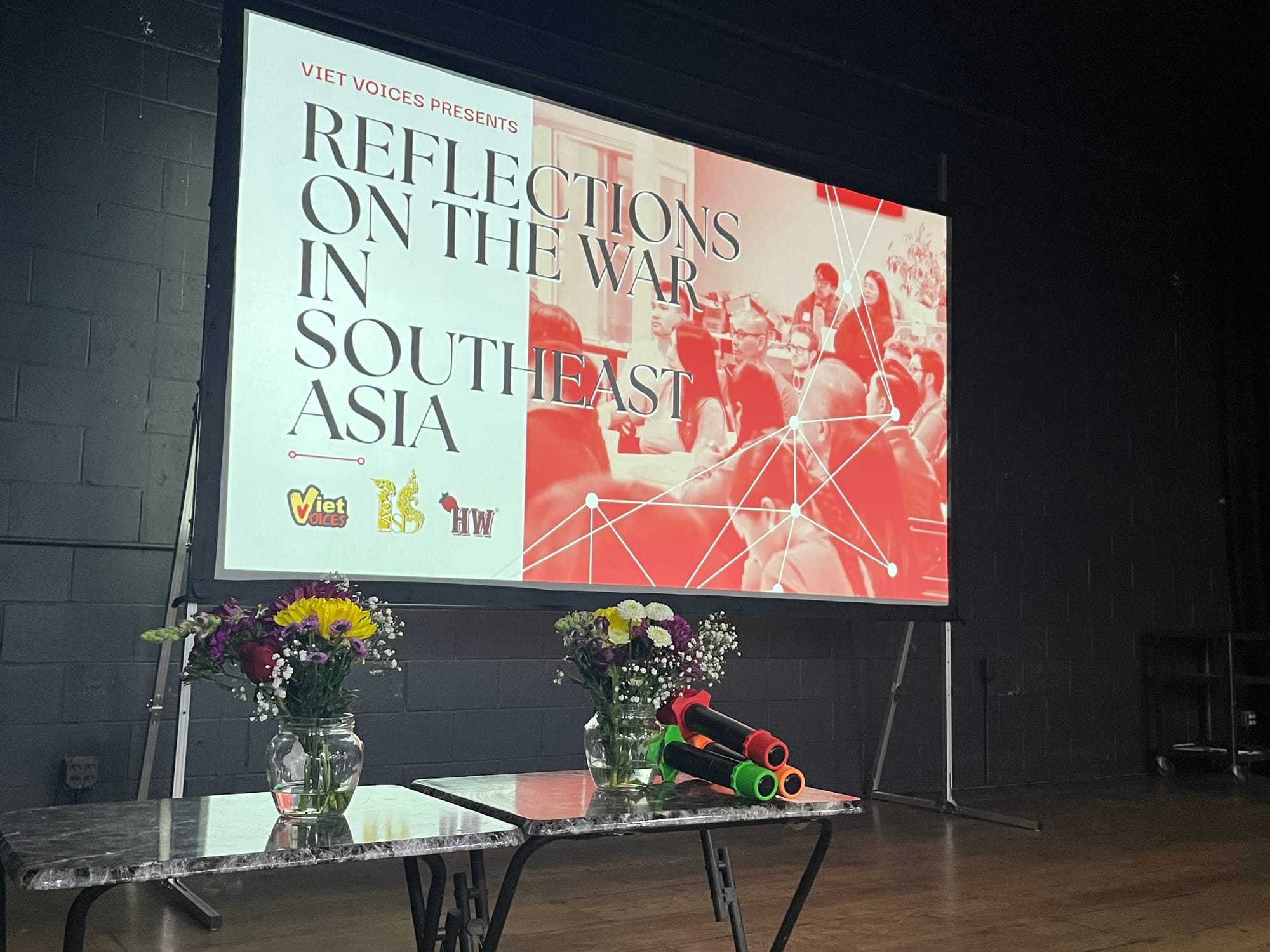
Intergenerational connection was a major theme behind a community event on April 30 commemorating the 51st anniversary of the end of what is commonly known in the United States as the Vietnam War. But the war has different names in other parts of the world.
“The Vietnam War is a somewhat misnomer,” said Catherine Quan Potmesil, a doctoral candidate in history with a focus on Southeast Asian refugee studies at UC San Diego. “This war extended beyond the borders of Vietnam, and while 1975 marked an endpoint for a lot of people, this crisis brought many of us and our families and our communities to places like here.”
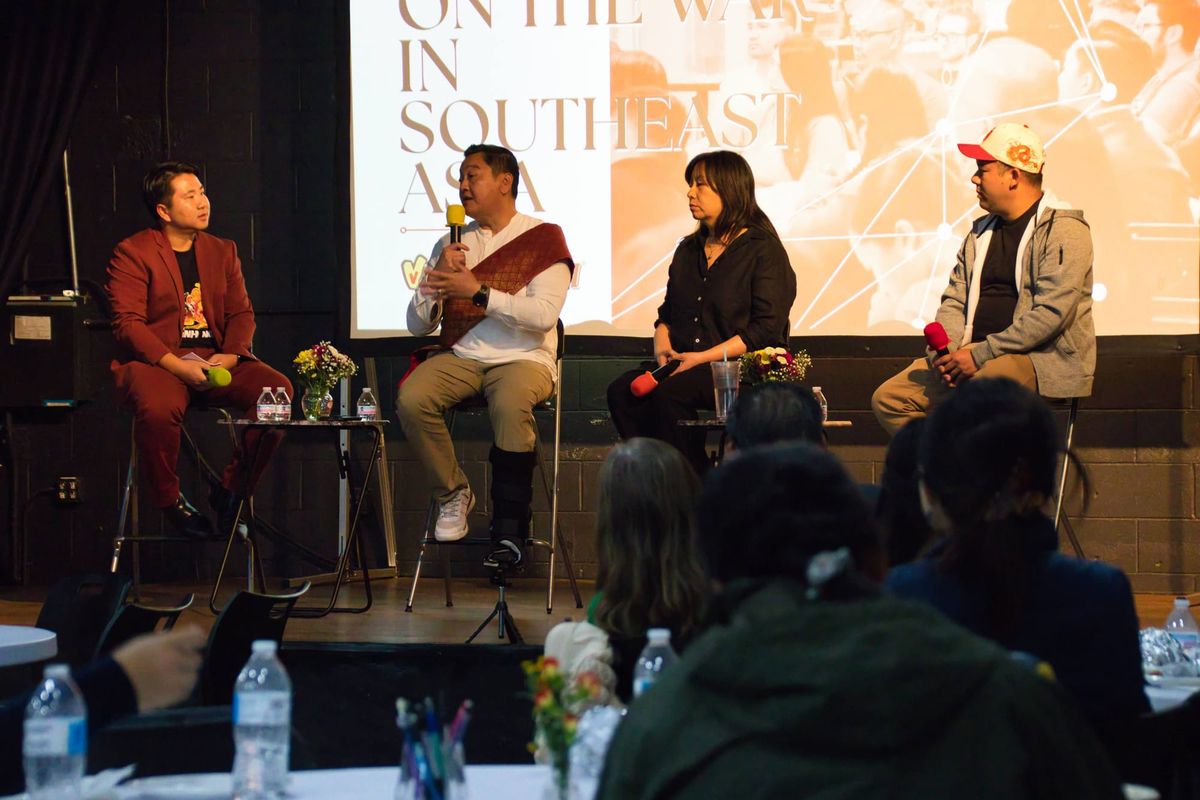
Following a presentation on the war by Potmesil, community members spoke on a panel and participated in a discussion-based activity organized by San Diego’s VietVoices and LAOSD at the Partnership for the Advancement of New Americans in City Heights.
Phùng, who organized the event for the second time this year, explained how the series began with a simple question and complex answer: What does April 30, 1975, mean to someone who was born in the U.S. to Vietnamese parents?
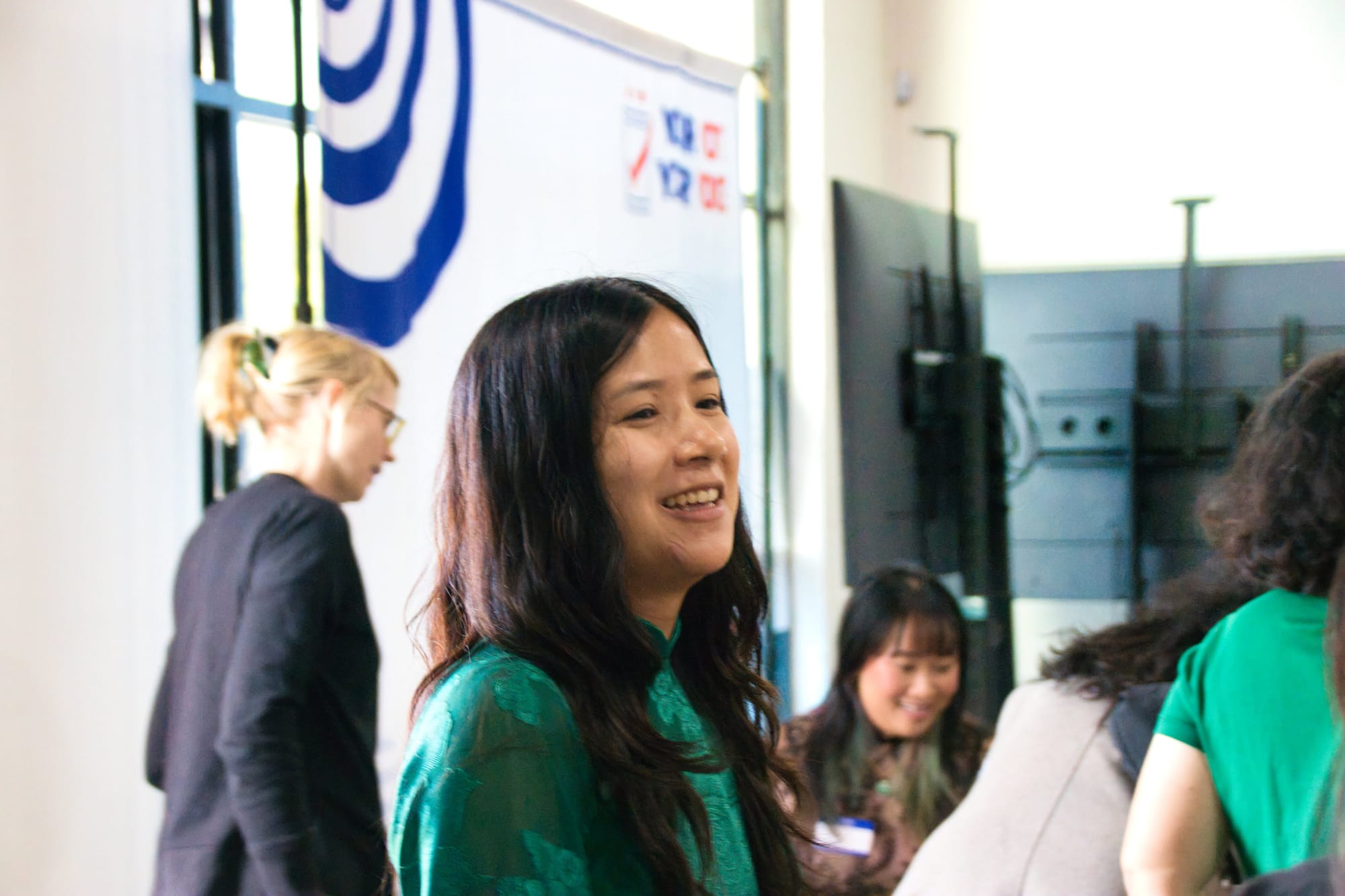
Though it wasn’t often discussed in her home, she said she has been eager to understand the war’s generational effects more deeply as an adult.
In Vietnam, she explained, it’s a firework-filled, cheerful national holiday known as Victory or Reunification Day. In the U.S., however, it’s a serious and mournful day referred to as the fall of Saigon.
Neither of these tones resonated with Phùng.
“The present part of April 30, for me, is understanding and hearing the stories of resistance and resilience in the Vietnamese community and how it can inspire us today,” Phùng said.
After discussing her uncertainty with peers who also have familial connections to the war, she decided the day is a personal reminder to understand the experiences of the past and listen and discuss with others in the Southeast Asian community now. She said sharing a broadened view of the war can inform future actions for San Diego communities in the way the day is remembered and how people locally stand up against ethnic injustice.
Not only does she emphasize the need for intergenerational conversation, but Phùng also now grasps the international impacts of the war, including with Cambodian, Hmong and Lao people.
“There is really no other event in San Diego like this,” Phùng said. “To find one that's grounded in the present and has these bridges between our communities is something to help us have these conversations.”
Part of the motivation for creating space for conversations on the war is the difficulty the organizers and panelists have experienced as Vietnamese and Lao Americans when talking to family about a war. Although it ended more than 50 years ago, it still heavily influences today’s generation.
Panelist Jenn Ho, a Vietnamese American and archivist at CSU San Marcos, said she can’t empathize fully with her parents who experienced the war, especially because they made it difficult to connect the dots.
“My parents never really talked about the war,” Ho said. “They would say it's because they're too busy working, which, yes, they always were, but I really think it’s because it would have come from a place of pain.”
Another panelist, Michael Diep, a Vietnamese American and a personnel analyst with the city of San Diego , who also started a Vietnamese Heritage Night at Petco Park, shared a similar experience when asking his mom about the war.
Diep urged attendees to push for more conversations with elders and peers so the personal significance of the day isn’t forgotten or misconstrued, and so that political representation grows for the Cambodian, Hmong, Lao, Vietnamese and other Southeast Asian communities.
“Don't be afraid to try to drive it out of them,” he said. “I want us as a community, as a culture, to remember this day and to grow from it. I am hopeful that we continue to grow to a point where we're making decisions that benefit not just our community but [everyone] as a whole.”
Part of the deficiency in shared identity the panelists described is a lack of accurate war representation in educational spaces.
Phiny Phiasivongsa, a Lao American and history teacher, brought up concerns during the panel about how information is still missing from textbooks on the war, including the onslaught of bombs, violations of international law and cross-border impacts aside from the U.S. involvement.
When looking back on the war now, he suggested it shouldn't just be about Vietnamese and American history, but also more critical thinking about the connections to colonialism and many other Southeast Asian lands and people.
“The things that have been written down were written by White authors and historians who saw things one way,” Phiasivongsa said. “We need to take a very neutral lens at what we've been taught and almost decolonize our thinking of what happened.”
 Daylight San Diego
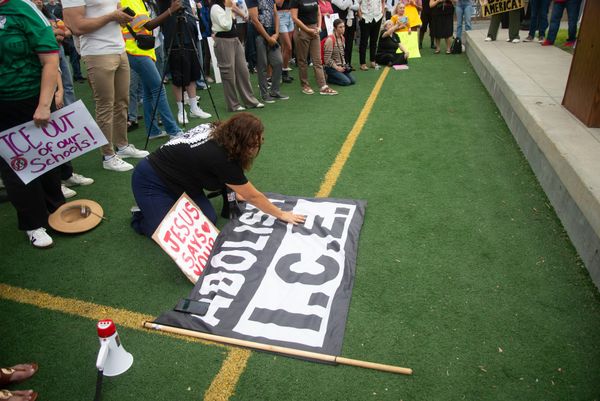
He said another part of present and future actions should include other communities that continue to be targeted in San Diego and across the world. Phiasivongsa said that includes undocumented folks and others who have historically been put in harm's way because of their cultural identities, highlighting the surge in political actions against Southeast Asian American communities.
In Stop AAPI Hate’s second annual report, more than half of Southeast Asian American adults reported experiencing at least one type of hate in 2024.
These experiences are unfolding alongside policy decisions that continue to impact communities at a systemic level. Between January and October 2025, more than 2,000 Southeast Asian refugees were deported to Cambodia, Laos and Vietnam, according to a press release from California Rep. Judy Chu.
“We can't just stand still like it's not happening to us, because it is happening to us now,” Phiasivongsa said.
He said people, especially youth, need to mobilize in support of the Southeast Asian Deportation Relief Act — a bill reintroduced this year by four U.S. House representatives. If enacted, it would grant long-term Southeast Asian refugees work permits. It could also shield many community members from deportation by limiting Immigration and Customs Enforcement authority, reducing ICE check-in requirements and creating a path for those already deported to return and contest their removal.
Phùng said allies can also show support by attending community events like the Lao Food Festival in June and Tết Festival every February, in addition to seeking out personal perspectives of those impacted by the war.
While the event included historical reflections, attendee Alex Han said it was more than the history lesson they were expecting. They said this made the panel and group discussions even more inspiring, especially as a young Chinese and Vietnamese American.
“I realized I really need to learn my history because I never really got much of that in any school,” Han said. “There's so much for me to learn about my own history, my family's history.”
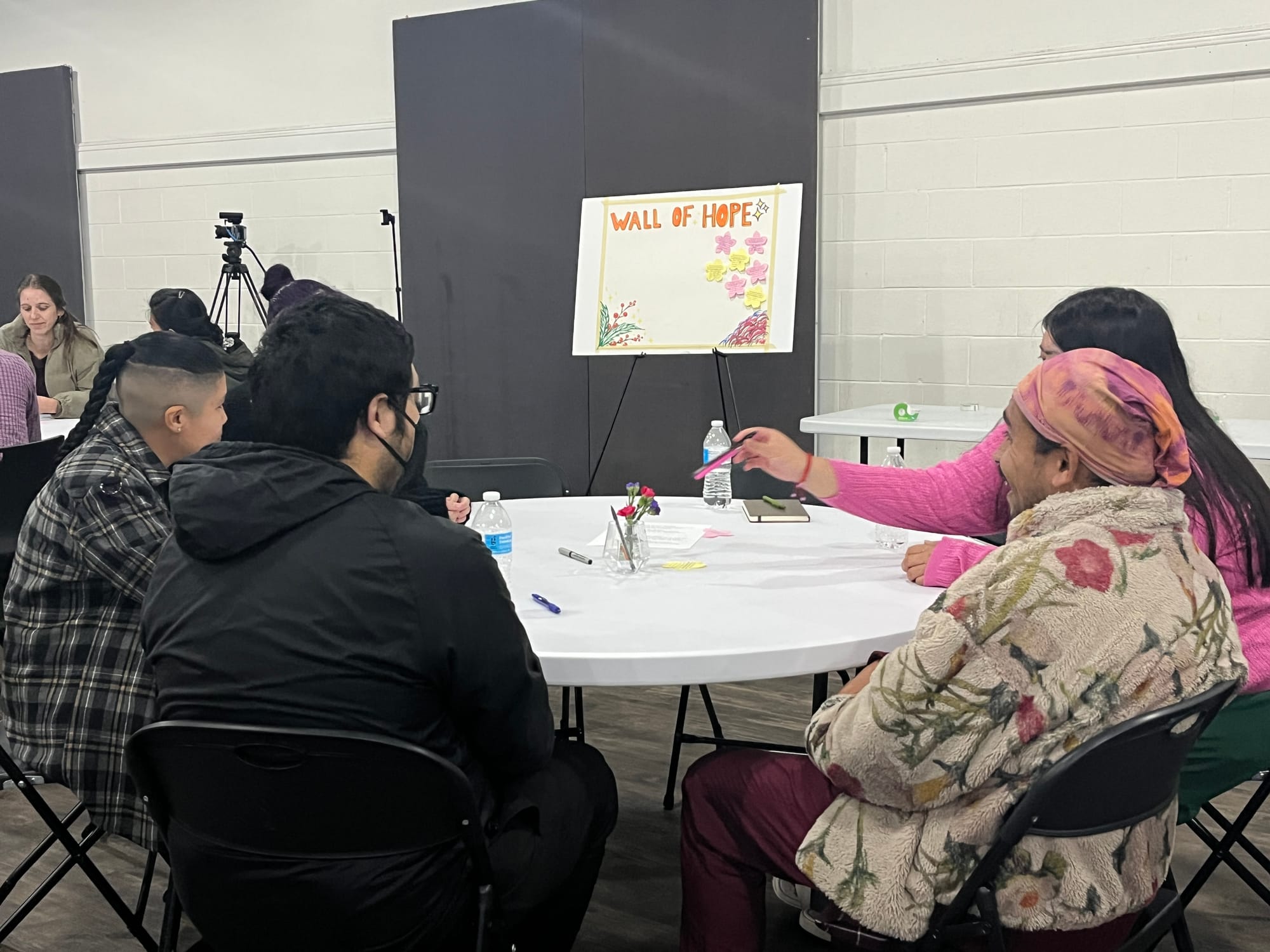
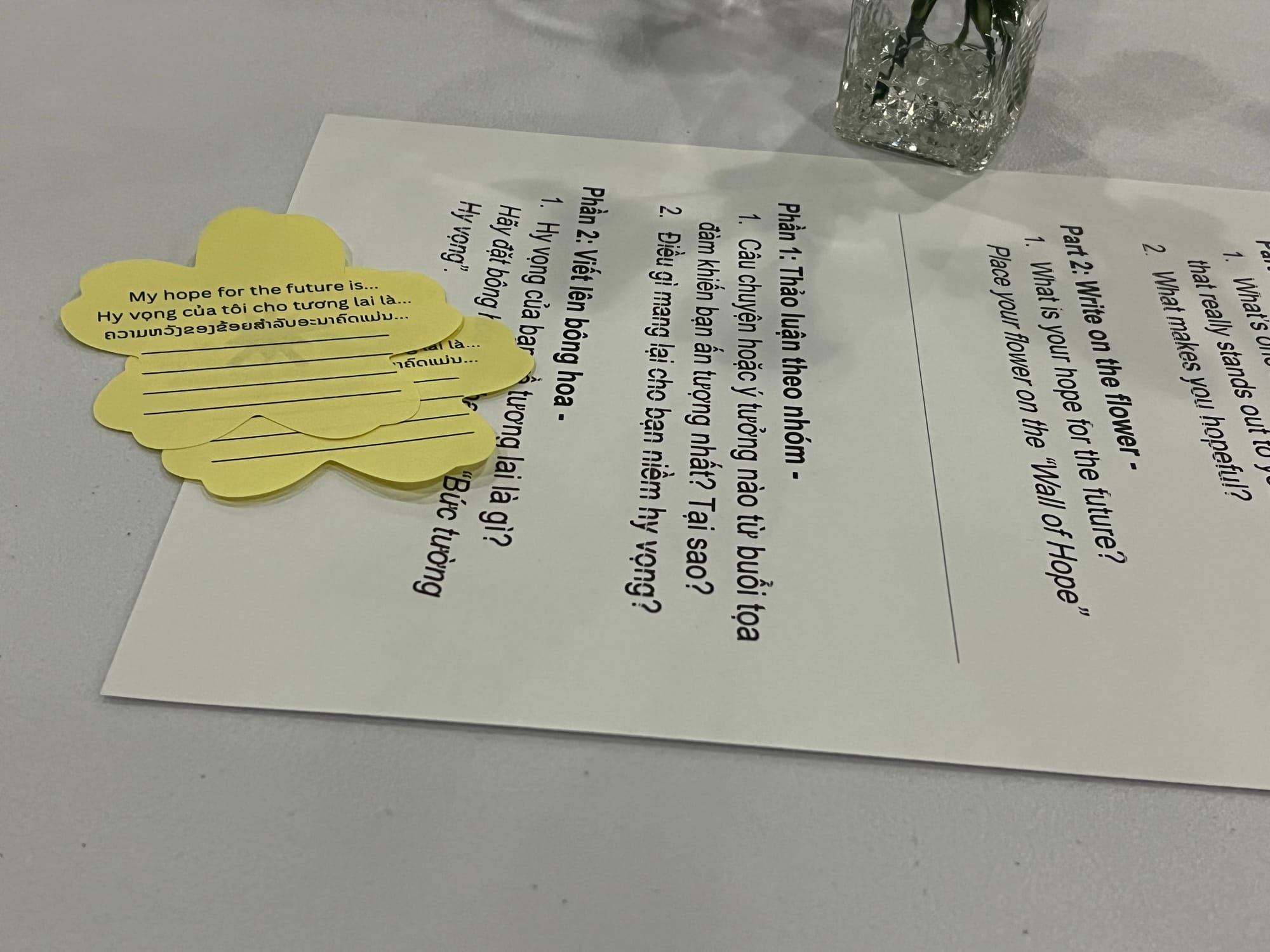
As a closing activity, attendees wrote messages on a Wall of Hope for future reflections on the war on flower-shaped papers.
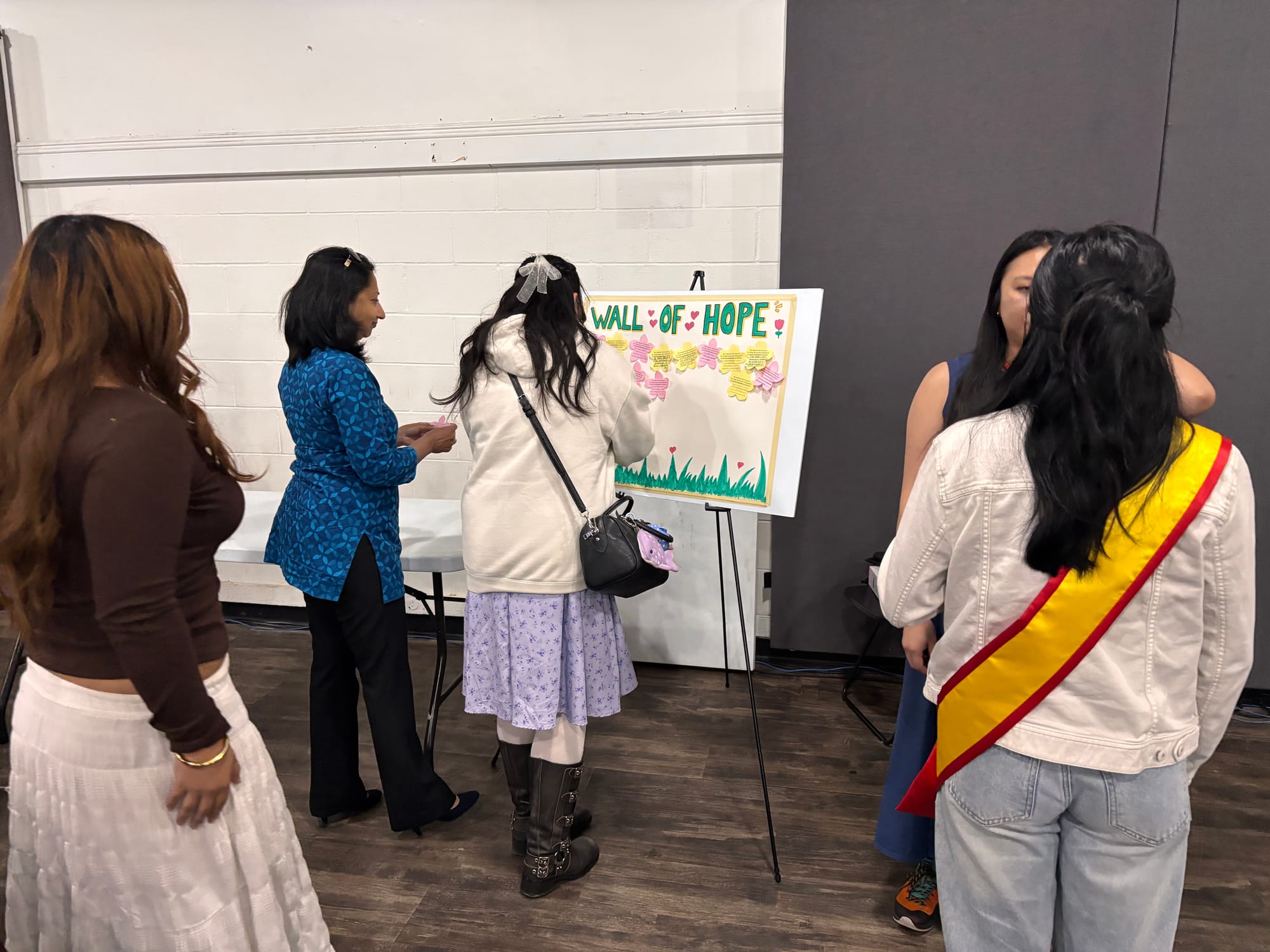
Phùng hopes the annual event commemorating the war continues to expand, creating safe spaces for elders to share their stories while helping younger generations to process their emotions and take action.
Ho shared this sentiment. Even for those who didn’t go through the war, she asked attendees to share how the experiences of loved ones affect them.
“Even if we weren't there, we still carry that with us in some way,” Ho said. “We don't need to be so secret. We don't need to protect the next generation from pain. Let's talk about it and go through it together.”