
This program could help feed San Diegans losing CalFresh benefits

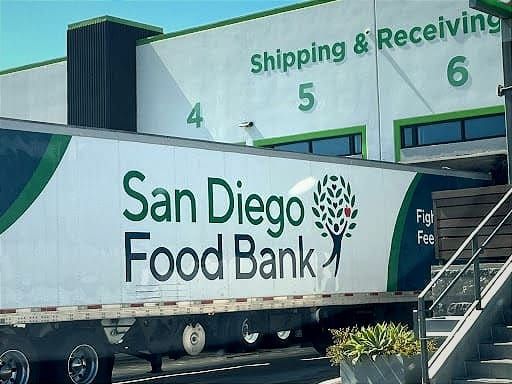
The San Diego County Board of Supervisors allocated up to $1 million for food distribution throughout the county in partnership with local food banks.
Written by Sam Barney-Gibbs, Edited by Kate Morrissey
San Diego County is ramping up efforts to feed people who no longer qualify for aid following federal cuts.
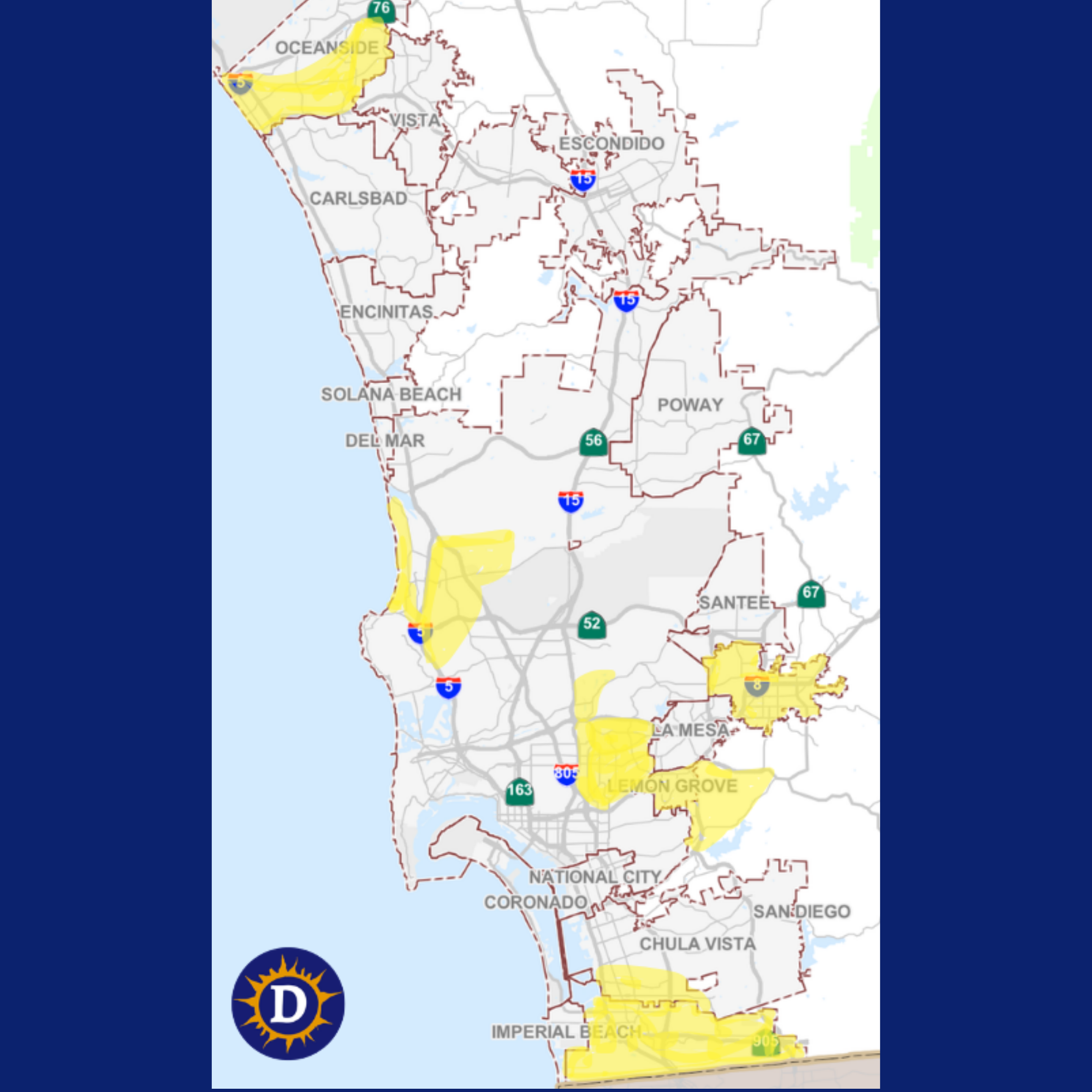
Feeding San Diego and the Jacobs & Cushman San Diego Food Bank will join San Diego County in implementing the Safety Net Bridge Program, which aims to bring food and benefits information to communities — starting with 16 zip codes that county data show include people who have been most affected by CalFresh cuts.

On June 25, the County Board unanimously authorized up to $1 million in one-time funding for food distribution activities, staffing, outreach, service coordination and additional support strategies.
The county plans to launch the program mid-summer, starting with parts of Oceanside, Pacific Beach, City Heights, El Cajon, Tierrasanta, Lemon Grove, Spring Valley, Chula Vista, San Ysidro, and the college areas of University of California, San Diego, and San Diego State University.
“Our priorities are simple,” San Diego County Supervisor Monica Montgomery Steppe said at a recent press conference. “Keep families fed, healthy and housed.”
This comes nearly a year after President Donald Trump signed H.R. 1, known as the “One Big Beautiful Bill,” which cut federal funding for the Supplemental Nutrition Assistance Program, or SNAP, known as CalFresh in California and added work requirements for many recipients. More than 93,000 San Diegans risked losing food aid, according to the county.
“It's not just that the so-called ‘Big Beautiful Bill’ is cruel and heartless. It is actually terrible policy,” Montgomery Steppe said.
As a result of the bill, starting this April, the state of California eliminated CalFresh eligibility for many immigrants, including asylees, refugees and parolees. And starting this month, some CalFresh recipients ages 18-64 will need to work or participate in community activities to keep their benefits.
 Daylight San Diego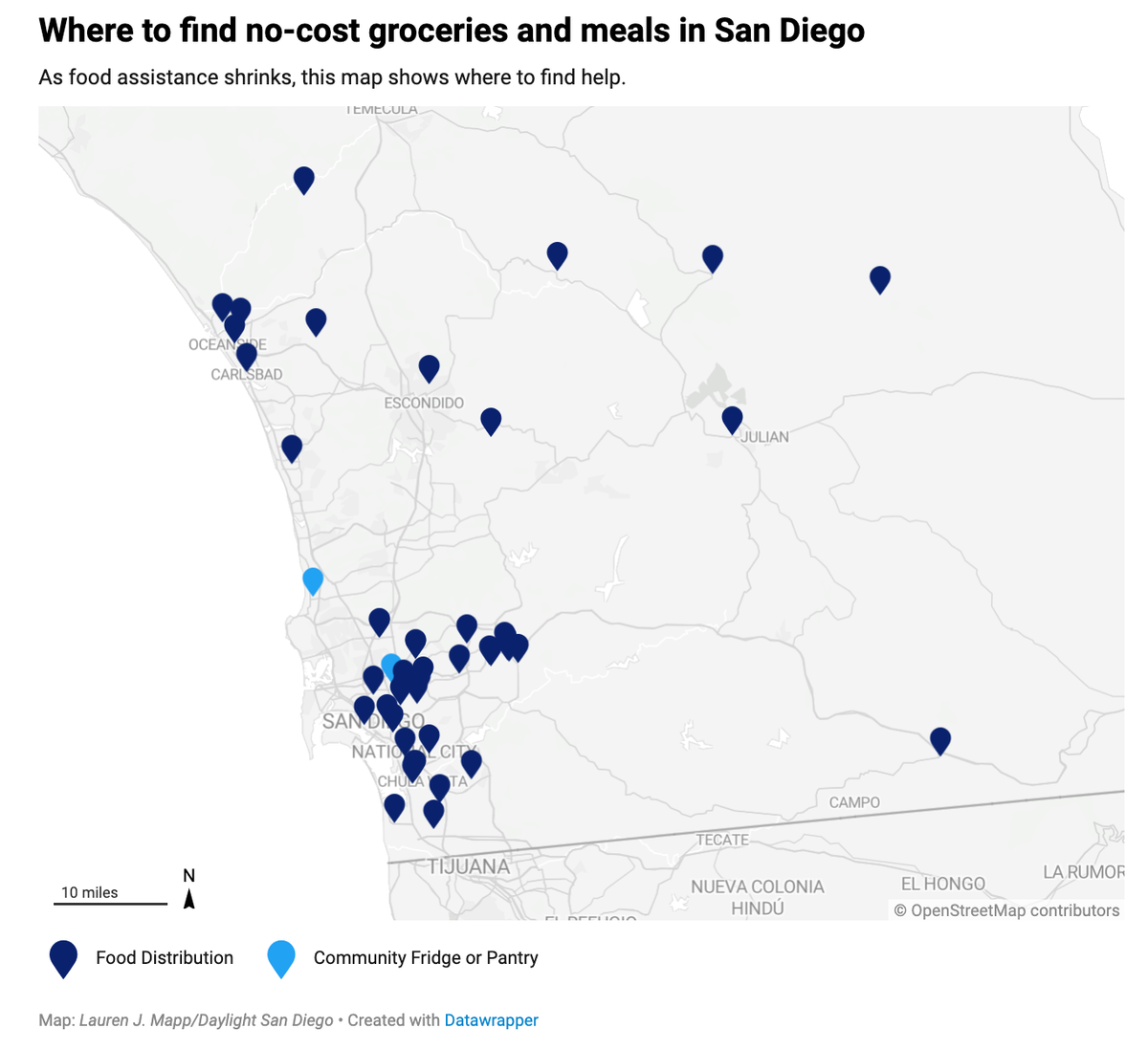
Since July 2025, the county found that more than 33,000 San Diegans lost CalFresh benefits, and the number of noncitizens whose CalFresh eligibility has been discontinued or are still being processed has significantly increased since April 2026.
“Taking food away from families doesn’t solve problems. It creates them — more hunger, more hardship, more homelessness,” Montgomery Steppe said.
Robert Kamensky, CEO of Feeding San Diego, said in a press release that corporations and foundations are financially supporting the new county program. The county is holding the money in reserves dedicated to safety-net services.
But, food gathering for distribution is also heavily community-centered, said Brigitte Wesselink, vice president of operations and programs for the San Diego Food Bank. She said many products come from local donations, strategic purchasing and rescued and recovered food. Federal funding only provides part of the overall food offered.
The two food bank leaders said H.R. 1 has caused a dramatic increase in food insecurity in the region. This puts undue stress across the hunger relief sector, Kamensky added.
Wesselink said 83% of the San Diego Food Bank’s emergency food assistance partners requested additional food. That's a 27% increase in just a month.
Additionally, the organization’s Client Choice Food Pantry, which provides free food and household goods while mimicking a neighborhood grocery store, is serving more San Diegans now than at any other point this year.

Just before the bill took effect, Kamensky said, Feeding San Diego was helping about 190,000 households per month. Since October 2025 — only two months after cuts began — the organization has fed about 230,000 households per month, an increase of 40,000 households every month.
“People aren’t looking to navigate a complex system,” Wesselink said. “They’re looking for assistance, and they’re looking for an easy way to get it.”
Family resource centers, libraries and community centers throughout the county will host food distribution events, and other organizations across San Diego are offering no- and low-cost groceries.
For help navigating new federal requirements and maintaining benefits access, San Diegans can visit the county’s new WorkReady Hub. And some San Diegans can receive SUN Bucks, which aims to ensure children have summertime food access when they're not receiving school-provided meals.
Daylight San Diego put together a map of food distribution around the county.
If there are more local food security resources we should include, email lauren@daylightsandiego.org.